
compare
Cane vs Walker
Readers comparing Cane vs Walker need clearer tradeoffs, not generic feature lists.
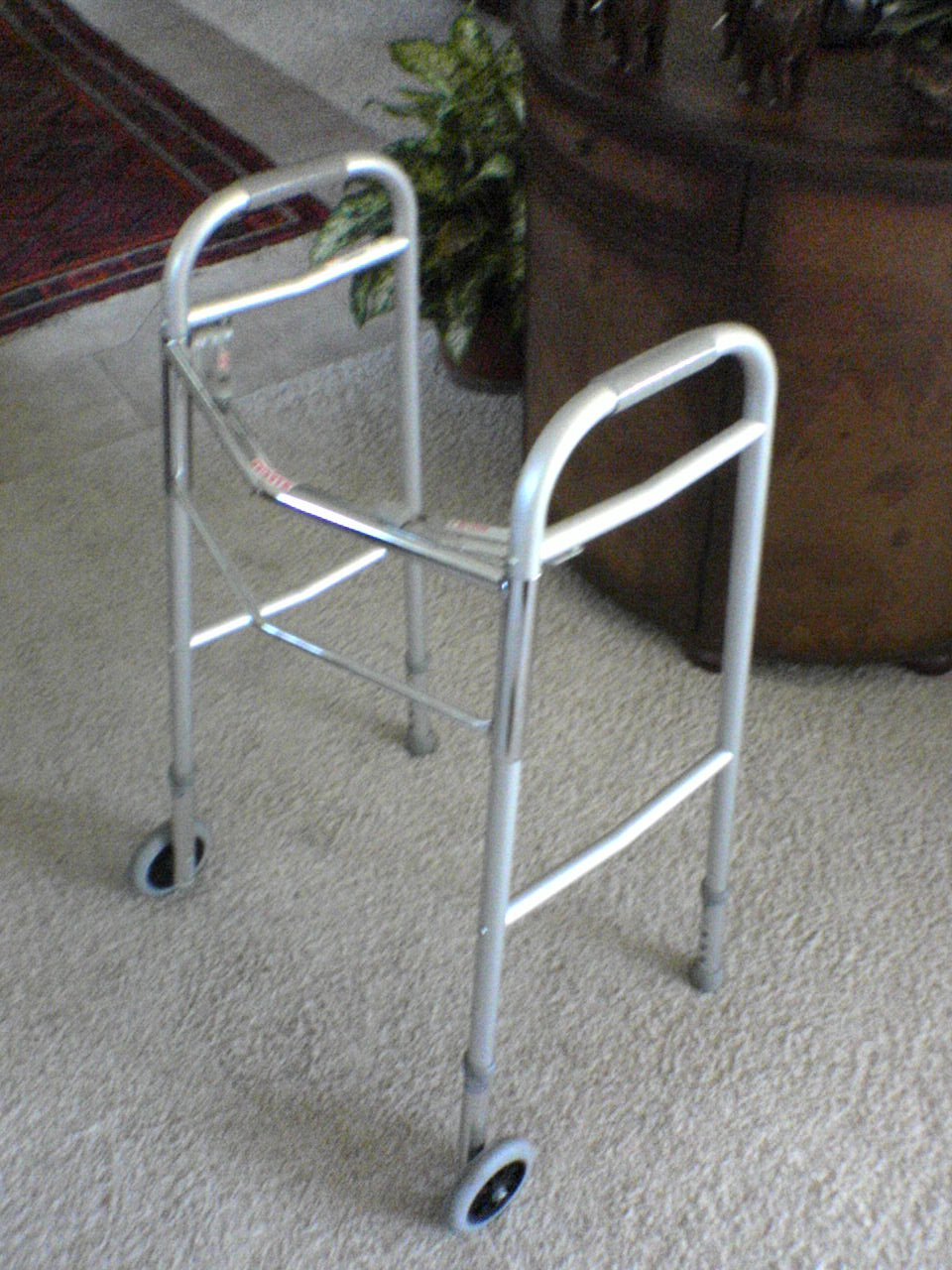
Choosing between a cane and a walker starts with the help your parent needs during an ordinary walk. A compact device may appeal to someone who wants to travel light. A larger frame may feel reassuring to someone worried about reaching the bathroom. Neither preference tells you whether the device fits the walking problem.
Use this comparison to prepare for a mobility assessment and a supervised trial. The aim is to choose support your parent can use throughout the day, including turns, doorways, and trips away from home. This guide cannot determine an individual's weight-bearing limits or replace instruction from their care team.
The Main Difference: Support From One Hand or Two
A cane provides support through one hand. A walker offers a broader support area and uses both hands. When one arm provides enough help, a cane may suit the person; when both arms are needed for balance or support, a walker deserves assessment. Canes require sufficient balance and coordination, while walkers also demand the ability to manage the frame. These distinctions are described in the American Family Physician review of mobility aids.
Before shopping, describe the problem in everyday terms. Does your parent hold one person's arm on the way to the car, or grip furniture with both hands? Do they struggle only on longer outings, or also between their bedroom and kitchen? Bring those observations to the appointment rather than asking for a device based on age alone.
Cane vs Walker at a Glance
The following comparison highlights practical differences to discuss during a trial. Model dimensions and individual abilities can change the answer.
- Equipment to move: a cane has one shaft and base; a walker has a frame around the walking space.
- Doorway clearance: a cane usually leaves less equipment to position; a walker's width and turning space need checking.
- Car transport: check a cane's length or folding joints; check a walker's folded dimensions and lifting weight.
- Parking beside a chair: a cane needs a reachable spot; a walker needs room for its frame.
- Maintenance: inspect the cane's handle, height lock, and tip; a walker also needs checks of any wheels and brakes.
- First assessment question: ask whether one-handed support is sufficient for a cane, or which frame and wheel arrangement fits the task for a walker.
A walker that fits through a doorway can still be awkward when the door swings toward the user. Include the door's movement in your measurements. A cane that stores neatly in the car may still be inconvenient if someone must retrieve it before your parent can step out.
When to Discuss a Cane
MedlinePlus describes a cane as an option for someone needing a little balance assistance or with a mildly weak or painful leg. Greater pain, weakness, or balance difficulty calls for professional advice about other support. See MedlinePlus guidance on using a cane.
For a family, a useful starting point is a specific goal: reaching the dining room, walking into a library, or navigating the path from a parking space. Ask whether the cane enables that activity comfortably during supervised practice. Avoid using a short, successful demonstration as proof that every route will work.
A single-tip cane and a four-footed cane occupy different amounts of floor space. Take the actual model to the trial. Notice where its base lands beside shoes, table legs, and chair feet. Ask the therapist to explain why that model is appropriate and what would indicate that it no longer meets your parent's needs.
If your parent already owns a cane, bring it to the assessment. Its current fit and wear are part of the comparison. A new purchase should solve an identified problem rather than simply duplicate the device in a different color.
Walkers Are Not All the Same
A standard walker has no wheels and must be lifted forward. A two-wheel walker rolls at the front, with rear contact points providing friction. A four-wheel rollator moves more freely and often includes a seat, but is less stable and is unsuitable when substantial weight must be taken off a leg. The clinical comparison of walker types explains these tradeoffs.
Have the care team name the exact type they recommend. The word “walker” on a shopping list leaves too much room for substitution. A family member might order a seated rollator because it looks comfortable even though the intended device was a two-wheel frame.
For any model with brakes, ask for a demonstration of both stopping and parking. Your parent should try the controls themselves. If the controls feel difficult, record whether the problem is reach, grip, remembering the sequence, or the mechanism on that particular model. Take that information back to the therapist before choosing an alternative.
A seat also raises questions about where rest breaks will happen. Identify level stopping places on the usual outing. Ask the supplier about the manufacturer's rules for sitting, loading the storage compartment, and transport. Do not assume that a rollator seat means the device can carry someone while another person pushes it.
Fit and Instruction Belong in the Comparison
The AAFP patient handout uses wrist level, with arms relaxed at the sides, as a starting point for handle height. It also recommends having a clinician watch the person walk with the device. A physical therapist can help select and teach its use. See How to Use Canes and Walkers.
Wear the shoes your parent normally uses when the device is fitted. Bring any instructions from a recent operation or rehabilitation stay. Ask who can adjust the device later and whether the family should make changes themselves. Keep a record of the fitted setting so that an accidental adjustment can be noticed.
Cane instruction includes which hand to use: usually the hand opposite the weaker or operated leg, moving the cane with that leg. Ask for teaching tailored to your parent's condition, especially if hand limitations complicate that pattern. This basic technique is outlined in MedlinePlus's cane instructions.
For walkers, practice includes standing and sitting. MedlinePlus advises using chair armrests or available handrails to rise rather than pulling on the frame. Ask for help when needed, and have a therapist teach steps or stairs before attempting them with a walker. See MedlinePlus's walker instructions.
After the demonstration, ask your parent to explain the sequence in their own words. A family member should also know what help they have been instructed to provide. “We watched a video” is less useful than knowing how your parent manages their own chair and walking route.
Compare the Devices Along a Real Route
Arrange a supervised trial that resembles the places your parent actually uses. You do not need to recreate every room at a supplier's shop. Bring measurements, photographs of tight spaces if available, and a short list of difficult movements. Ask whether a home assessment would help resolve anything the shop trial cannot answer.
Choose a route with three parts: starting from a chair, walking through a doorway, and returning to sit. Observe the whole task. Do they pause at the threshold? Does the device have a convenient place while they open the door? Can they finish without abandoning it halfway through?
At home, measure the narrowest usable opening between door edges and furniture. Check the space alongside the bed and toilet, where the frame may need to turn. Write down the actual model width, including any projecting parts, rather than relying on a product label such as “slim.”
For outdoor use, describe surfaces to the therapist: paved paths, gravel, sloped driveways, and entrance thresholds. Do not stage a challenging outdoor test without the support they recommend. The comparison should reveal manageable problems, not create a contest in which your parent has to prove they can cope.
Carrying Items and Managing Trips
Think through a normal breakfast routine. If your parent uses a walker, how will a phone, napkin, or small personal item reach the table while both hands remain available? MedlinePlus suggests a small bag or basket for walker items and recommends checking tips and wheels for wear. Its walker safety guidance also covers clear walking surfaces.
Ask the supplier which accessories fit the device and follow their loading instructions. A storage attachment should solve a particular need. Consider arranging meals at a table or having someone move hot drinks rather than expecting an accessory to solve every carrying task.
For appointments, rehearse loading the device into the actual vehicle. Who folds it? Where does it fit? Who brings it back to your parent on arrival? Compare these answers alongside the walking trial. A frame that works well indoors still needs a workable travel routine.
If several relatives drive your parent, give each the same short instructions. Include how the device opens and locks, where it travels, and who handles it at each end. That avoids a rushed explanation outside a clinic when the parking area is busy.
Three Examples to Bring to the Assessment
These examples illustrate questions to ask, rather than prescribe a device.
One painful knee, otherwise manageable walking
Your parent wants help reaching a weekly social group. Ask whether a cane provides enough support for that journey and whether the route has features needing separate instruction. Include the walk back to the car, when the outing is nearly over, in the discussion.
Furniture grabbing across several rooms
Your parent reaches for a wall and then a chair despite using a cane. Describe each point where additional support is sought. Ask for a reassessment of device type and the route itself rather than deciding that a larger cane base will necessarily solve it.
A desire for a seat on outings
Your parent likes the look of a rollator because resting would make shopping easier. Ask whether that type is appropriate, how the brakes will be managed, and where sitting can happen. The usefulness of a seat must be considered alongside control of the device.
When relatives disagree, return to the observed task. “The walker is too bulky” becomes a question about a specific doorway or vehicle. “The cane is unsafe” becomes a description of where your parent still needed help. Concrete observations give the therapist something to assess.
Buying, Borrowing, and Return Policies
Compare the total purchase arrangement rather than a headline price. Ask whether fitting, instruction, replacement parts, or follow-up adjustments are included. Check the return window and whether opening or using the device changes eligibility. Save the model name and receipt with the care notes.
A borrowed device may help establish dimensions for a supervised trial, but it still needs inspection and fitting. Ask about its history, adjustment range, and available parts. Do not treat an aid left over from another relative's recovery as already appropriate for your parent.
If insurance may contribute, check current requirements with the insurer and supplier before buying. Ask what documentation is needed and which suppliers can process it. Keep clinical selection separate from checkout pressure: a sale ending today is not a reason to skip an unresolved mobility question.
Review the Choice After It Enters Daily Life
During the first week, keep a short note about the agreed routes. Record whether the device was used, where it was left behind, and what made it difficult. Include your parent's comments. They may identify an awkward handle or storage problem that a relative does not notice.
Bring repeated difficulties back to the care team: needing extra furniture support, struggling with the taught sequence, or being unable to manage the fitted device. Do not use the comparison chart to make an unsupervised change after surgery. Recovery instructions and weight-bearing restrictions must come from the treating team.
Ask when reassessment should happen and what changes should prompt an earlier call. A device selected during recovery may need review as abilities change; a preference for a smaller aid alone does not establish readiness. Agree on the next step before replacing or retiring the current support.
Further Reading for the Next Decision
Use How to Choose a Cane and How to Choose a Walker to prepare more detailed fitting questions. Once the device type is agreed, the canes guide and walkers guide can help organize feature comparisons.
Take one page of notes to the assessment: the walking goal, difficult route, current device, home measurements, and transport arrangements. That is a practical foundation for choosing between a cane and a walker your parent can actually use.