
best
Best Walkers
Families comparing Walkers need a tighter shortlist, simpler criteria, and buying guidance rooted in real home use.
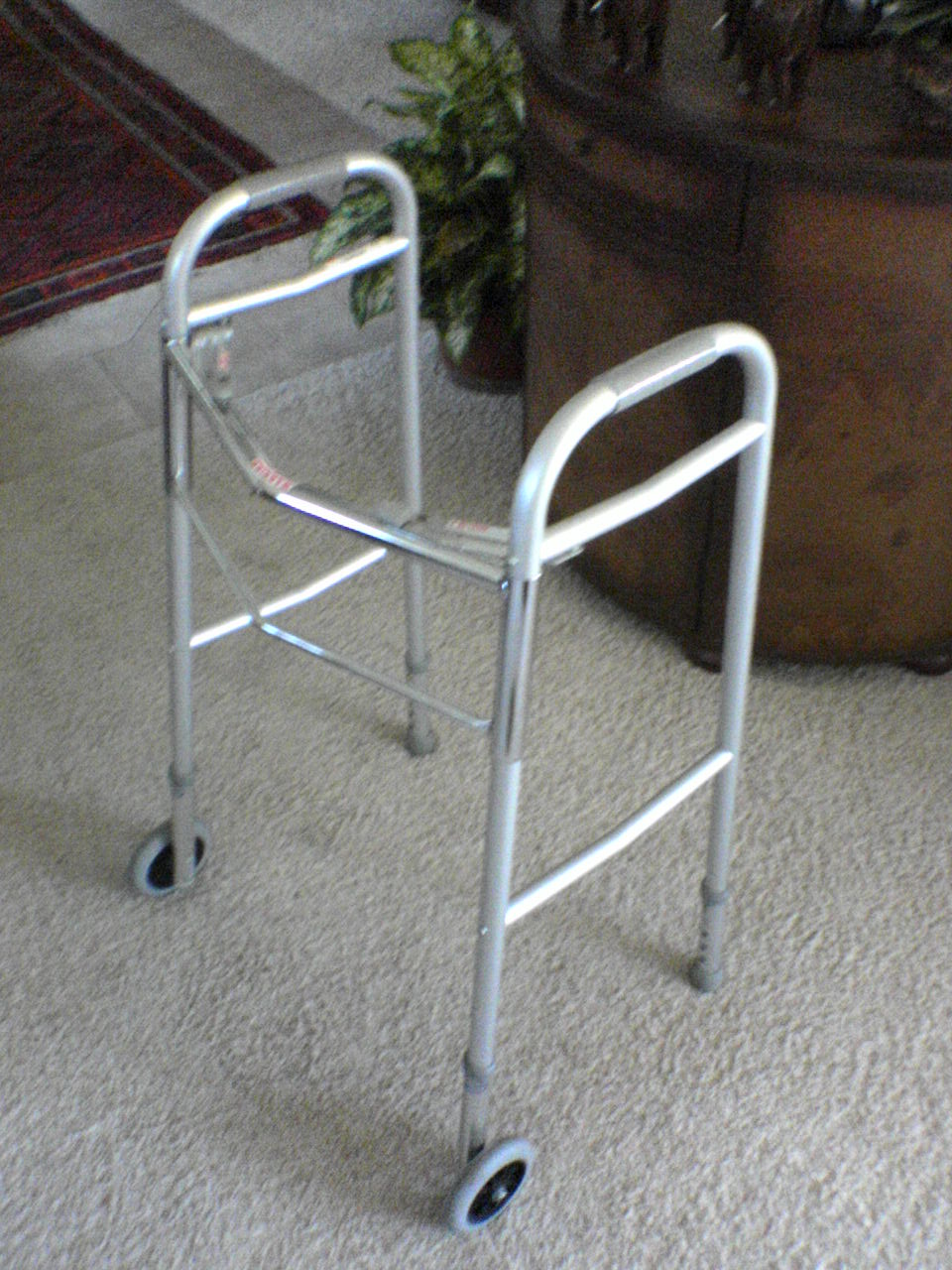
The best walker for an older adult is the one that matches their balance, strength, home layout, and ability to use the device correctly every day. For many families, that means starting with a simple two-wheel walker or standard walker, then moving to a rollator only when the person can control brakes, turns, and speed safely.
Walkers are not one-size-fits-all. A device that works beautifully in a clinic hallway can be frustrating in a narrow bathroom, on thick carpet, or at the front door where there is a threshold. The right choice should make walking feel steadier without creating new trip hazards, awkward posture, or a false sense of security.
This guide focuses on the best walkers for seniors in real homes: basic frames, two-wheel walkers, four-wheel rollators, upright walkers, bariatric models, and narrow indoor options. Use it to narrow the shortlist before buying, and involve a physical therapist or occupational therapist when there has been a fall, surgery, sudden weakness, or major change in walking.
Quick Shortlist by Situation
For the safest all-purpose starting point, choose a two-wheel walker with rear glide caps or skis. It offers more continuous movement than a standard pickup walker while still slowing the pace enough for many older adults who need support after a fall, illness, or hospital stay.
For maximum stability in a short indoor route, a standard walker without wheels may be appropriate. It requires lifting the frame with each step, so it is not ideal for weak arms, shoulder pain, or anyone who tends to rush. Its strength is control, not speed.
For outdoor walks, errands, and longer distances, compare four-wheel rollators with hand brakes and a seat. They move easily, but that same easy motion can be risky for someone who leans heavily on the device or forgets to lock the brakes before sitting.
For small apartments or tight hallways, look for a narrow walker or compact rollator, but measure before buying. A walker that barely clears doorways may still be hard to turn around a toilet, bed, recliner, or kitchen island.
For tall users, posture problems, or forearm support needs, an upright walker can help some people walk more comfortably. It is not automatically safer. The higher handles and larger frame can change balance demands, so a therapy fitting is wise.
Walker Types Compared
A standard walker is the most stable common option because all four legs rest on the floor before the person steps. It is often used after surgery, during early recovery, or when someone needs a slow, deliberate gait pattern. The tradeoff is effort: the user must lift, place, step, and repeat. That rhythm can be tiring and clumsy in a busy home.
A two-wheel walker has wheels on the front legs and rubber tips, glides, or skis on the back. Many families find this the best first walker because it reduces lifting while still giving a controlled pace. It works well indoors when the person needs support but can keep the frame close and walk in a measured way.
A three-wheel rollator turns tightly and can be easier to maneuver through narrow spaces. It is usually lighter than a four-wheel rollator, but it offers less sitting support and may feel less stable. It can work for someone who needs light balance assistance and good maneuverability, not heavy weight-bearing support.
A four-wheel rollator is best for people who can walk with a smoother pace, need a rest seat, and can manage hand brakes reliably. It is useful for community outings and longer indoor routes. It is usually the wrong first choice for someone who pushes down hard, has poor brake awareness, or has frequent backward balance loss.
An upright walker supports the forearms or allows a taller posture. Some people like the reduced hand and wrist strain. Others find the larger frame harder to control. It may be worth considering for specific posture or upper-body issues, but it should be tested in the actual home environment.
What Makes a Walker Safe
A safe walker fits the person and the route. Handle height should usually allow a slight bend in the elbows when the person stands tall inside the frame, shoulders relaxed, with shoes on. Handles that are too low can encourage stooping. Handles that are too high can make the shoulders tense and reduce control.
Width matters more than product photos suggest. Measure the narrowest doorway, the path beside the bed, the bathroom entrance, and the turn into the kitchen. Also measure the person while standing inside the walker. The device has to fit both the house and the body.
The walker should feel steady under ordinary use. Check for wobble, loose hand grips, worn tips, uneven wheels, sticky brakes, or folding joints that do not lock firmly. A small defect can become a big problem when the person is tired or distracted.
The floor also affects safety. Thick carpet, throw rugs, thresholds, cords, and uneven outdoor surfaces can all change how a walker behaves. A rollator that glides smoothly in a store may roll too fast down a driveway or catch at a raised door saddle.
Best Walker for Indoor Use
For many seniors using a walker mainly inside the home, a two-wheel walker is the practical default. It handles short routes from bed to bathroom, kitchen to chair, and hallway to front door without requiring the person to lift the whole frame every step.
Look for a lightweight but sturdy frame, comfortable grips, clear height adjustments, and rear tips or glides that match the floor. Rubber tips can provide more braking friction, while plastic glides may move more smoothly. The right choice depends on the person's strength and whether the floor is carpet, tile, vinyl, or wood.
Avoid adding too many accessories to an indoor walker. A basket, tray, cup holder, pouch, oxygen holder, or bag can be useful, but every attachment changes weight, clearance, and turning. Start with what the person truly needs to carry safely, such as a phone, water bottle, or small meal tray.
If the walker is too wide for the bathroom, do not assume the person can park it outside and furniture-walk inside. Bathroom trips are high-risk because they often happen at night, in a hurry, and on hard surfaces. A narrow walker, grab bars, toilet safety rails, or a different bathroom plan may be needed.
Best Walker for Outdoor Use
Outdoor walking usually favors a rollator with larger wheels, hand brakes, and a seat. The seat can be helpful for fatigue, shortness of breath, pain, or waiting during errands. Larger wheels handle sidewalk cracks and small bumps better than tiny wheels.
Brake quality is crucial. The user needs to squeeze the brakes while walking downhill, lock them before sitting, and unlock them before moving again. If memory, hand strength, arthritis, neuropathy, or tremor makes that sequence unreliable, a rollator may need supervision or a different plan.
Check weight and folding before buying. A rollator that is comfortable outdoors may be too heavy to lift into a car, too bulky for a restaurant aisle, or awkward at the doctor's office. Families often discover this after purchase, so test the storage routine before committing.
Do not use the seat like a wheelchair. Most rollators are not designed for someone to sit while another person pushes them. If the older adult needs seated transport, compare a transport chair or wheelchair instead.
Best Walker After a Fall or Hospital Stay
After a fall, surgery, stroke, infection, or hospital stay, the best walker is usually the one recommended and fitted by the care team. Needs can change quickly during recovery, and a device that was appropriate at discharge may need adjustment after therapy begins.
A standard walker or two-wheel walker is common during early recovery because it limits speed and gives predictable support. A rollator may be too mobile if the person is weak, dizzy, newly confused, or still learning how much weight they can safely bear.
Ask the discharge planner, physical therapist, or home health therapist to write down the walker type, height setting, weight-bearing instructions, and any restrictions. Families should also ask whether stairs, thresholds, bathroom transfers, and getting into a car were practiced before discharge.
If the person starts leaving the walker behind, using walls instead, or complaining that the walker is in the way, treat that as useful information. It may mean the device is poorly fitted, the route is cluttered, the home needs changes, or the person needs more practice.
Features Worth Paying For
Pay for fit, stability, brake quality, and appropriate wheel size before paying for extras. A walker that is the wrong height or width will not become safe because it has a nicer basket.
For rollators, look for brakes that are easy to squeeze and lock, a seat height that allows safe sitting and standing, and a frame that does not flex under normal use. The person should be able to reach the handles while seated and stand without the rollator rolling away.
For standard and two-wheel walkers, prioritize durable height adjustment buttons, non-slip grips, replaceable tips, and a folding mechanism that locks reliably. A front crossbar or low basket should not block the person's stride.
For any walker, consider visibility. A dark frame in a dim hallway can be harder to see at night. Reflective tape, better lighting, or a contrasting color may help, especially for someone with low vision.
Accessories That Help or Hurt
A walker bag can be one of the most useful accessories because it lets the person carry a phone, glasses, water, tissues, or a medication list without holding items in one hand. Choose a bag that attaches securely and does not swing into the legs. Heavy front baskets can make a lightweight walker feel tippy, especially when the person turns quickly.
Trays can help move a plate or cup from the kitchen to a table, but they require a slow, level route and enough hand control to keep the walker steady. A tray is not a good fix if the person is already leaning hard on the handles or bumping furniture.
Cup holders, cane holders, lights, and oxygen-cylinder holders can be useful when they solve a specific daily problem. Add them one at a time. If the walker starts looking like a packed cart, it may become harder to fold, lift, turn, or fit through tight spaces.
Replace worn tips, skis, and brake parts promptly. These small parts are easy to ignore, but they are what meet the floor. A walker with one worn rear tip or one sticky brake can pull unevenly and make the user compensate without realizing it.
Cost and Coverage Considerations
Basic walkers are usually less expensive than rollators, and many families can find a safe option without buying the most feature-heavy model. The bigger cost may be professional fitting, home modifications, or replacing a device that was bought too quickly.
Medicare and other insurance plans may cover a walker when it is medically necessary and ordered by an eligible clinician, but coverage rules, suppliers, and upgrade costs vary. Families should ask the clinician and durable medical equipment supplier what type is being ordered, whether the exact model can be changed, and what the out-of-pocket cost will be.
Used walkers can be reasonable if the frame is sound, the height adjusts correctly, tips and brakes are replaceable, and there are no cracks, bent legs, missing bolts, or loose folding joints. Avoid a used rollator if the brakes cannot be tested and serviced. Saving money is not worth inheriting a device that fails under pressure.
A Home Trial Before Committing
Before treating a walker as the final answer, run a short home trial. Watch the person move from their favorite chair to the bathroom, from bed to the kitchen, and from the front door to the car. These routes reveal more than a few steps across an open room.
Notice whether the person keeps both feet inside the frame, pushes the walker too far ahead, catches the back legs on carpet, or abandons it near tight turns. Those details point to the next fix: height adjustment, more practice, clutter removal, a different walker type, or a different support plan.
Test one tired or high-risk moment too. Night bathroom trips, morning stiffness, after-shower fatigue, and returning from appointments often show whether the setup is truly workable. A walker that only works during a calm afternoon demonstration may not be enough for everyday life.
Fit Checklist Before Buying
- Measure the narrowest doorways and turning spaces where the walker will be used.
- Have the older adult test handle height while wearing their usual shoes.
- Watch whether they stand inside the frame instead of pushing it too far ahead.
- Check that the walker does not hit toes, shins, furniture, or bathroom fixtures.
- Test the surface transitions they use daily, including carpet edges and thresholds.
- Confirm that brakes, folding latches, and height buttons are understandable.
- Make sure any bag or basket does not overload the front or change balance.
- Ask whether the device feels acceptable enough to use in front of other people.
Common Buying Mistakes
The biggest mistake is choosing a rollator because it looks more normal or convenient when the person actually needs the slower control of a two-wheel walker. Rollators can be excellent, but they reward good brake habits and steady judgment.
Another mistake is buying based on height and weight limits alone. Those specifications matter, but they do not answer whether the walker fits through the bathroom door, supports the person's gait pattern, or can be lifted into the car by the available caregiver.
Families also underestimate training. A walker is not just equipment; it is a new way of moving. The person may need practice turning, backing up, approaching a chair, reaching for objects, and managing a door without abandoning the device.
Finally, do not assume a walker replaces home safety changes. If rugs, cords, poor lighting, pets, clutter, or unstable furniture remain in the walking path, the walker may simply meet the hazard sooner.
When to Ask a Professional
Ask for physical therapy or occupational therapy input if there has been a recent fall, repeated near misses, new dizziness, sudden weakness, Parkinson's symptoms, stroke history, neuropathy, significant arthritis, or confusion about safe use. A clinician can match the device to gait, strength, cognition, and the home.
Professional help is also useful when the person refuses the walker. Sometimes resistance is emotional; sometimes the device is genuinely awkward, too wide, too noisy, too slow, or poorly fitted. A therapist can often find a more acceptable setup and teach the family how to cue use without constant arguing.
If the person needs to lean heavily on the walker, ask whether the selected model is appropriate. Some walkers are meant for balance and light support, not full weight-bearing. Weight-bearing limits after surgery or injury should come from the medical team.
Bottom Line
For most families, the best walker for seniors is the simplest device that gives enough support without moving faster than the person can control. Indoors, that often points to a well-fitted two-wheel walker. Outdoors or for longer distances, a rollator can be useful when the person can manage brakes, turns, and sitting safely.
Fit the walker to the person, the floor, and the daily route. Measure tight spaces, test the exact routines that matter, and keep accessories modest until the basics work. If there has been a fall or major health change, get therapy input before treating the purchase as final.
A good walker should make the day feel calmer: fewer furniture grabs, fewer rushed steps, easier bathroom trips, and more confidence moving from one ordinary place to the next.