
how_to
How to Choose a Walker
Readers looking for How to Choose a Walker usually need straightforward actions, not vague advice.
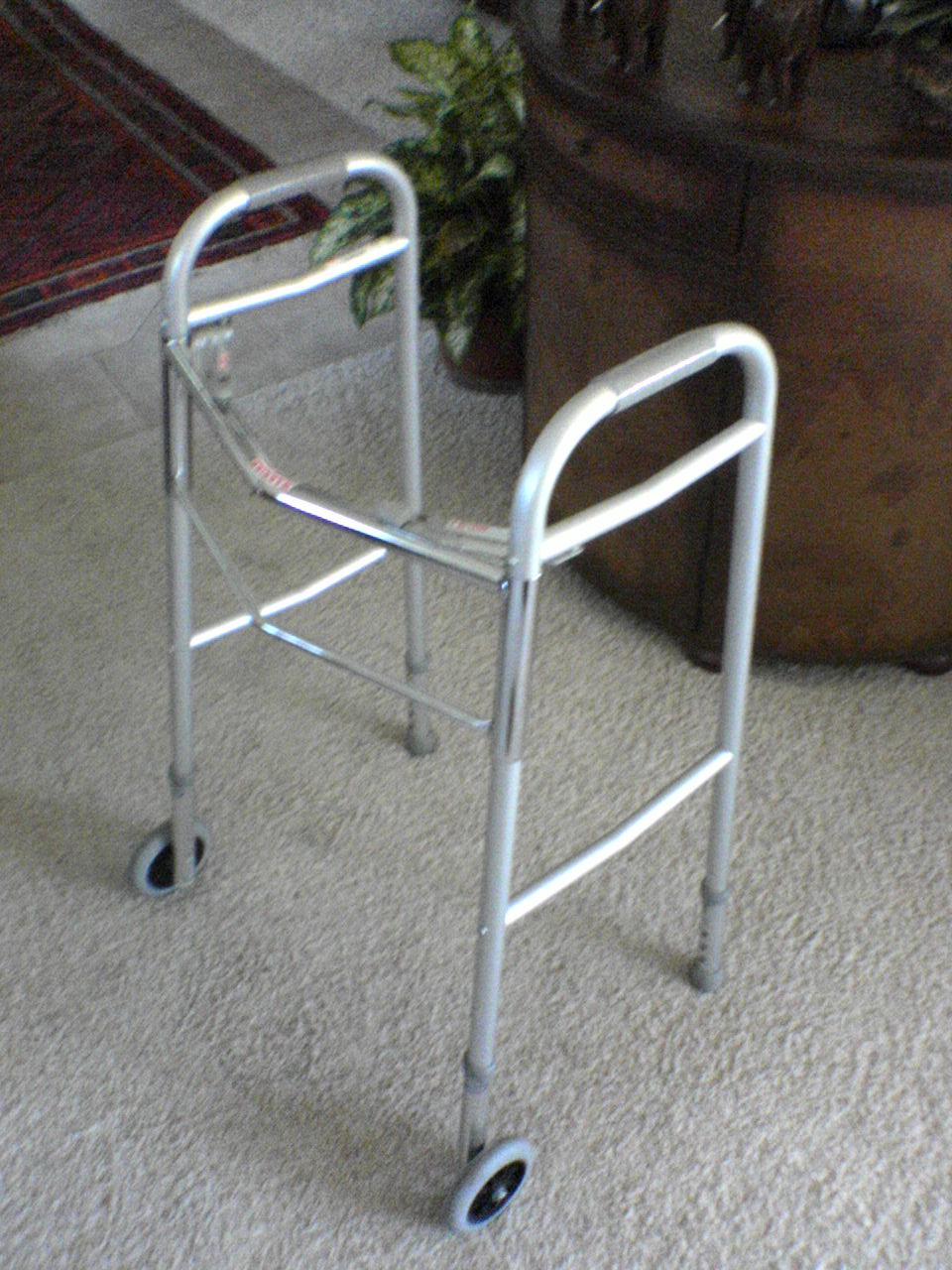
Choosing a walker is less about finding the fanciest frame and more about matching support to the person's body, home, habits, and balance needs. The right walker can make daily movement steadier. The wrong one can be too heavy, too fast, too wide for doorways, or awkward enough that it gets abandoned.
For caregivers, the safest process is to start with the reason the walker is needed. Is the person recovering after surgery, leaning on furniture, tiring halfway down the hall, freezing in doorways, or avoiding errands because walking feels uncertain? Those details point toward a very different choice than a showroom feature list.
Start With a Clinical Fit Check
A walker is a mobility aid, not just a household product. If the person has fallen, has new weakness, has pain that changes how they walk, or is recovering from surgery or a stroke, ask a physical therapist, occupational therapist, physician, or home health clinician to help choose and fit the device. A clinician can check strength, balance, vision, cognition, endurance, transfers, stairs, and the home layout.
Professional input is especially important if the person needs to put body weight through the walker, has Parkinson's symptoms, has dementia, uses oxygen, has one-sided weakness, or cannot safely judge when to stop and sit. In those situations, a walker that looks convenient may not be stable enough.
If you are buying before an appointment, choose from a retailer with a return policy. Keep the packaging until the walker has been adjusted and tested in the actual home.
Understand the Main Walker Types
A standard walker has four non-wheeled legs. It is usually the most stable option because it does not roll forward, but the user must lift it and place it ahead with each step. That can be slow and tiring. It may work for someone who needs maximum steadiness and has enough arm strength to lift the frame correctly.
A two-wheeled walker has wheels on the front legs and rubber tips or glides on the back. It is easier to move than a standard walker because it can slide forward without being fully lifted. It is often a practical middle ground for older adults who need support but cannot manage the lift-place-step rhythm of a standard walker.
A four-wheeled walker, usually called a rollator, has wheels on all legs, hand brakes, and often a seat and basket. It can be easier outdoors and helpful for someone who needs rest breaks because of fatigue, arthritis, lung disease, or heart disease. But it is not usually the best option for someone who needs to bear weight through the device or has serious balance or cognitive problems, because it can roll away if the brakes are not used correctly.
A three-wheeled rollator may turn more easily in tight spaces, but it usually offers less stability and no full seat. A bariatric walker has a higher weight rating and wider frame. A narrow walker may fit better through older bathroom doors but must still match the user's body width and stability needs.
Match the Walker to the Person's Real Needs
Use these questions before comparing brands:
- Does the person need balance support, weight-bearing support, endurance support, or all three?
- Can they lift a standard walker without leaning, twisting, or rushing?
- Can they reliably use hand brakes before sitting or going downhill?
- Do they remember safety steps when tired, distracted, or in pain?
- Will they use the walker indoors, outdoors, or both?
- Are doorways, bathroom entries, hall turns, and bedroom paths wide enough?
- Can they transport the walker in a car?
- Do they need a seat, basket, tray, oxygen holder, or no accessories at all?
If the person mainly needs steady support indoors, a standard or two-wheeled walker may be safer than a rollator. If the person walks fairly well but tires easily and needs planned rests, a rollator may fit better. If the person cannot walk safely even with support, the right next step may be a wheelchair assessment rather than a more complicated walker.
Get the Height Right
Walker height affects posture, shoulder strain, wrist comfort, and balance. A common starting point is to have the person stand upright in their usual walking shoes with arms relaxed at their sides. The walker handles should line up near the wrist crease. When the person holds the handles, elbows should bend slightly rather than lock straight or rise high.
Handles that are too low encourage bending forward. Handles that are too high can raise the shoulders, reduce control, and make the walker feel unstable. After adjusting the height, watch the person take several steps. They should be able to stand tall, keep the walker close enough for support, and avoid stepping too far into the front of the frame.
Do not skip this step for inherited or borrowed walkers. A walker that worked for one relative may be the wrong height, width, weight rating, or style for another.
Test It in the Home, Not Just the Store
A walker has to work in the places where falls actually happen. Measure narrow doorways, bathroom entries, the path beside the bed, the space around the toilet, and the turn into the kitchen. A walker that feels fine in a wide store aisle may be clumsy in a hallway with laundry baskets, rugs, pet bowls, and furniture.
Have the person test:
- Getting out of their usual chair
- Walking from bed to bathroom
- Turning around in the bathroom
- Approaching the toilet
- Reaching the kitchen counter
- Going through the exterior door
- Loading the walker into the car, if needed
Remove loose rugs, cords, and clutter before the trial. Make sure floors are dry, shoes have non-skid soles, and the person is not testing a new device when exhausted.
Decide Carefully About Wheels and Brakes
Wheels reduce lifting effort, but they also change the safety profile. A two-wheeled walker can help people who drag or struggle to lift a standard frame. The back tips still add friction, which helps slow the device.
A rollator moves more freely. That freedom can feel wonderful for a person with good judgment and fair balance, but risky for someone who leans heavily, forgets brakes, shuffles quickly, or reaches for the seat while the walker is still moving. Before buying a rollator, make sure the person can squeeze the hand brakes, lock them, unlock them, and remember to lock them every time before sitting.
The seat is for resting, not for being pushed like a wheelchair unless the manufacturer specifically designed it for transport and the caregiver understands the limits. Many rollators are not safe as transport chairs.
Look at Weight, Folding, and Accessories
Lightweight walkers are easier to lift into a car and move around the home, but they still need to feel stable. A very heavy walker may be sturdy but impossible for an older spouse to load or for the user to manage at a threshold.
Folding matters if the person travels to appointments, restaurants, church, or family homes. Practice folding and unfolding before purchase when possible. Some mechanisms are easy for one person; others pinch fingers or require too much hand strength.
Accessories should solve real problems. A small bag can keep both hands free. A tray may help move a cup in the home but can also tempt someone to overload the walker. Tennis balls on back legs are common, but purpose-made glides or replacement tips may be safer and cleaner depending on flooring. Check tips, wheels, brakes, screws, and hand grips regularly.
Practice Transfers and Turns
Many walker falls happen during transitions: standing up, sitting down, turning, backing up, or rushing to the bathroom. The person should not pull on the walker to stand unless a therapist has specifically trained them to do so. Usually, they should push up from the chair arms or bed, stand until steady, then hold the walker.
To sit, they should back up until they feel the chair or bed behind their legs, keep the walker stable, reach back for the armrest or seat, and lower slowly. With a rollator, brakes should be locked before sitting. If the person cannot remember these steps, the family may need more training, a different device, or more supervision.
Turning should be slow and wide enough to avoid crossing feet. The walker should stay close, with all tips or wheels on the floor before the person steps.
Know When a Walker Is Not Enough
A walker should improve confidence, not hide a worsening problem. Call the healthcare team if the person has new falls, sudden weakness, dizziness, fainting, new confusion, chest pain, shortness of breath, severe pain, or a major change in walking. Those are not shopping problems.
Also ask for help if the walker causes shoulder, wrist, or back pain; if the person abandons it after a few days; if they park it outside the bathroom because it does not fit; or if they use furniture instead. These are signs that the device, fit, home setup, or training may be wrong.
A Simple Buying Checklist
Before keeping the walker, confirm:
- The style matches the person's balance and weight-bearing needs.
- The handles adjust to wrist-crease height with a slight elbow bend.
- The walker fits through the home's most important paths.
- The person can turn, sit, stand, and approach the toilet safely.
- Brakes are easy to use if the walker has wheels.
- Tips, wheels, grips, and folding locks feel solid.
- The weight rating fits the user.
- The walker can be transported when needed.
- Accessories do not make it unstable or cluttered.
- A clinician has reviewed the choice when falls, surgery, neurologic symptoms, or major weakness are involved.
What Success Looks Like
A good walker choice usually makes movement calmer within days. The person stands taller, reaches for furniture less often, walks farther with less fear, and uses the device consistently because it fits their routines. Caregivers spend less time saying "be careful" and more time watching the person move with predictable support.
If the first walker does not work, do not treat that as failure. It may mean the person needs a two-wheeled model instead of a rollator, a different height, a narrower frame, better home pathways, formal gait training, or a reassessment of whether walking is still the safest main mobility plan. The useful answer is the one that keeps the person moving as safely and independently as their body allows.