
how_to
How to Choose a Cane
Readers looking for How to Choose a Cane usually need straightforward actions, not vague advice.
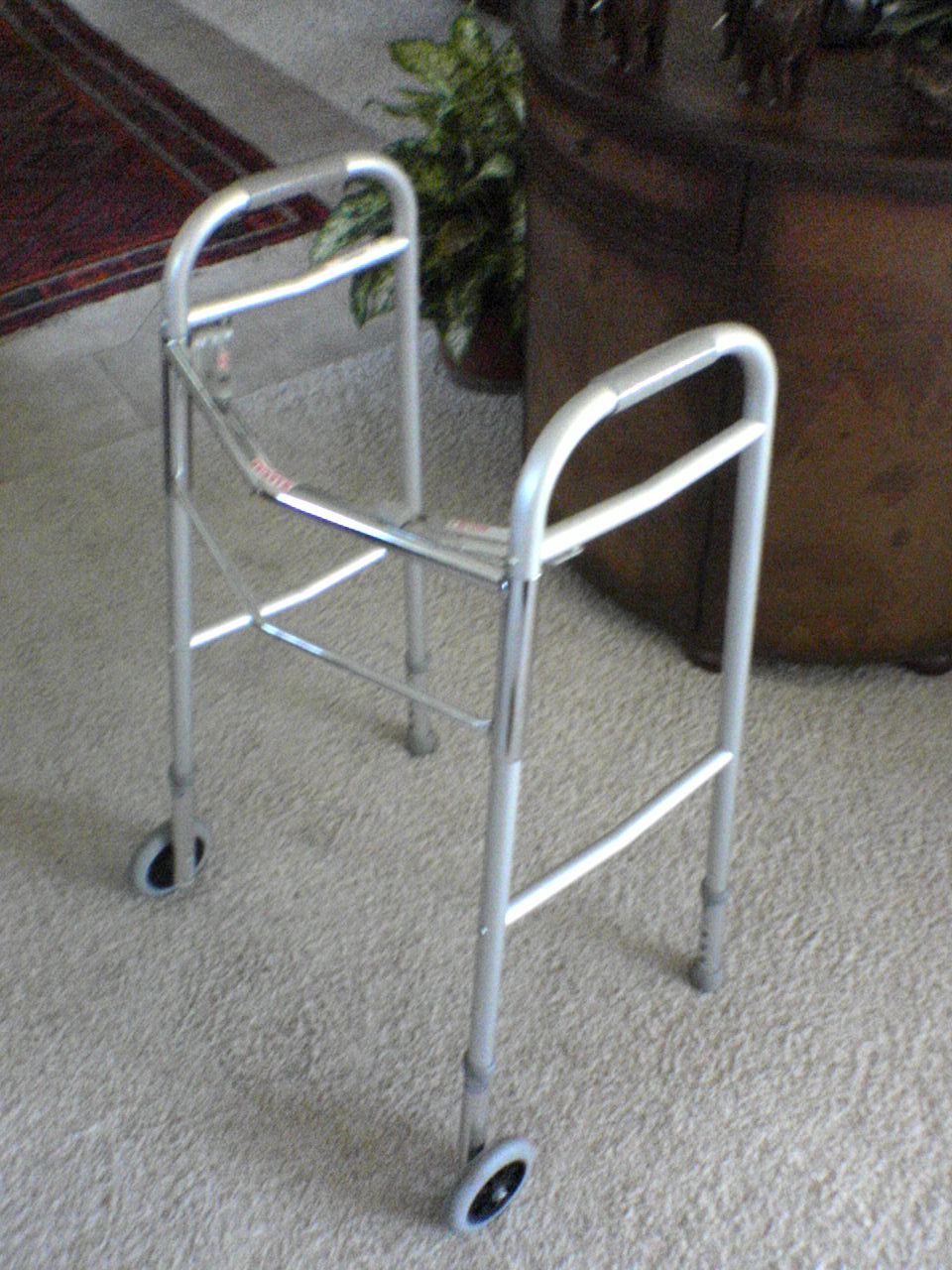
The right cane can make walking feel steadier without taking over a person's whole routine. The wrong cane can do the opposite: it can be too tall, too short, too slick on the floor, too awkward on stairs, or not supportive enough for the amount of balance help the person actually needs.
This guide explains how to choose a cane in a practical way: when a cane makes sense, which style to consider, how to size it, and when a walker or professional mobility assessment is safer.
Start With the Walking Problem
Before comparing cane styles, watch the person walk in the places where trouble usually happens. Notice whether the issue is mild balance uncertainty, pain on one side, weakness after standing, fear during turns, or trouble getting from a chair to the bathroom at night. A cane is best for light support and confidence. It is not meant to hold up a person who needs major weight-bearing help.
Ask three simple questions:
- Does the person need support on one side or both sides?
- Do they mostly need balance feedback, pain relief, or help with fatigue?
- Do problems happen on flat floors, stairs, outdoor surfaces, or during transfers?
If the person is leaning heavily on furniture, grabbing walls, or needing another person to prevent a fall, a cane may be too little support. In that case, a physical therapist or occupational therapist can check whether a walker, rollator, strengthening plan, or different device is safer.
Choose the Cane Type
A standard single-point cane is the lightest and simplest option. It works best for someone who walks fairly well but needs a little support, especially on one side. It is easy to move through narrow spaces, easy to store, and less visually bulky than larger mobility aids.
A quad cane has four small feet at the base. It can stand on its own and gives more surface contact, which may help someone who needs extra steadiness. The tradeoff is that it is heavier, slower to place, and easier to catch on rugs or uneven flooring if the person rushes. A large-base quad cane adds even more stability but can feel clumsy in tight rooms.
An offset cane has a curved shaft that places the user's weight more directly over the cane tip. Some people find it more comfortable when they put moderate pressure through the handle. It can be a good middle ground when a standard cane feels too light but a quad cane feels too awkward.
Folding canes are useful for travel, restaurants, appointments, or keeping a backup in the car. They are not always as confidence-building as a fixed cane for daily heavy use, so check that the joints lock firmly and do not rattle or wobble.
Match the Handle to the Hand
The handle matters more than families often expect. A small curved handle may be fine for occasional balance support, but it can press into the palm if the person uses the cane often. A wider ergonomic handle spreads pressure and may be better for arthritis, hand pain, or weak grip.
If the person has numbness, tremor, limited finger strength, or wrist pain, avoid choosing by looks alone. Have them hold the cane while standing and take several steps. Watch whether the wrist stays relaxed or bends sharply. A cane that looks correct on a website may be wrong for a hand that tires quickly.
For people with low vision, consider a cane color that contrasts with the home flooring. For people who set the cane down often, a wrist strap can reduce drops, but it should not create a tripping or entanglement problem.
Get the Height Right
Poor cane height is one of the easiest mistakes to fix. When the person stands tall in regular walking shoes, arms relaxed at the sides, the top of the cane handle should usually line up near the wrist crease. When holding the cane, the elbow should bend slightly, often around 15 to 30 degrees.
A cane that is too tall can hike the shoulder, strain the neck, and make the person feel tipped to one side. A cane that is too short can cause stooping and may not provide support at the right moment. Adjustable canes are helpful because shoes, posture, and comfort can change after a few days of use.
Check height again after the person walks across the room. If they raise the shoulder, bend forward, or plant the cane far away from the body, the height or cane type may need adjustment.
Use the Cane on the Correct Side
Most people use a cane in the hand opposite the weaker, painful, or injured leg. For example, if the right hip or knee is the problem, the cane usually goes in the left hand. The cane and the weaker leg move forward together, then the stronger leg steps through.
This pattern can feel strange at first. Practice slowly in a hallway with good lighting, supportive shoes, and no clutter. If the person cannot coordinate the sequence after patient practice, ask a therapist for instruction. A cane used on the wrong side can still feel reassuring, but it may not reduce strain or fall risk as intended.
On stairs, a common cue is "up with the good, down with the bad." The stronger leg leads going up. The cane and weaker leg lead going down. Stairs are high-risk, so use a handrail whenever possible and do not rely on the cane alone if the person is unsteady.
Check the Cane Tip
The rubber tip is a small part with a large safety role. It should grip the floor, sit flat, and show no cracking, slickness, or worn-through edges. Replace tips before they become smooth. If the person walks outside, inspect the tip more often because pavement wears it down faster.
In wet or icy conditions, a standard tip may not be enough. Some canes accept special ice tips or wider bases, but these can change how the cane behaves indoors. Make sure any add-on flips up or removes easily when not needed.
Avoid tennis balls, homemade caps, or improvised tips. They can slide, catch, or change the cane's height. A proper replacement tip is inexpensive and much safer.
Test It in Real Rooms
A cane that works in a store aisle may fail in the home. Test it where the person actually walks: beside the bed, through the bathroom doorway, near the favorite chair, in the kitchen, at the front step, and on the path to the car.
Remove loose rugs, cords, and low clutter before the first week of practice. A cane adds one more object to coordinate, so the walking route needs to be forgiving. Pay special attention to narrow bathroom spaces where the person may be turning, reaching, and managing clothing at the same time.
If the cane catches on furniture or makes the person abandon it in certain rooms, the home layout may need small changes. Move a side table, widen the path around the bed, improve night lighting, or add a grab bar where the cane cannot safely help.
Know When a Cane Is Not Enough
A cane may not be the right choice if the person has frequent falls, sudden weakness, significant dizziness, poor sensation in the feet, strong pushing down through both arms, or trouble remembering how to use the device. A cane also may be too little support after some surgeries or during recovery from a major illness.
Warning signs include leaning heavily on the cane, dragging one foot, freezing during turns, needing furniture support even with the cane, or becoming more fearful after using it. These are reasons to pause and ask for professional guidance rather than buying another cane style at random.
If symptoms changed suddenly, contact the medical team promptly. New weakness, severe dizziness, chest pain, shortness of breath, confusion, or a fall with injury should be treated as urgent.
Help the Person Accept It
Some older adults resist a cane because it feels like a public label of decline. That reaction deserves respect. The conversation often goes better when the cane is framed as a tool for doing more, not proof that the person can do less.
Try connecting the cane to a specific goal: walking to the mailbox with more confidence, getting through a medical appointment without holding someone's arm, or reducing knee pain on longer outings. Offer choices in color, handle, and style. The person is more likely to use a cane they helped choose.
Do not introduce the cane during an argument after a fall if you can avoid it. A calm practice session with good shoes and a short route usually works better than a long lecture about safety.
First-Week Checklist
During the first week, check whether the cane is actually being used when risk is highest. It is common for someone to use it outdoors but skip it during nighttime bathroom trips, quick kitchen tasks, or walks from bed to chair. Those skipped moments may be the very times support matters most.
Review these details:
- The cane height still feels comfortable after several days.
- The rubber tip grips on the home's main floor surfaces.
- The person can use the cane without looking down constantly.
- Stairs are practiced with a handrail, not guessed.
- The cane has a consistent parking spot near the bed, chair, and door.
If the cane improves confidence and reduces grabbing for furniture, it is probably helping. If it creates confusion, slows the person so much that they abandon it, or fails to prevent near misses, bring in a therapist for a better mobility plan.
Bottom Line
To choose a cane, match the device to the person's real walking problem, hand comfort, home layout, and ability to learn the pattern. Fit matters, but so does follow-through. The safest cane is the one that offers enough support, is adjusted correctly, and is simple enough to use every day.