
best
Best Night Lights for Seniors
Families comparing Night Lights for Seniors need a tighter shortlist, simpler criteria, and buying guidance rooted in real home use.
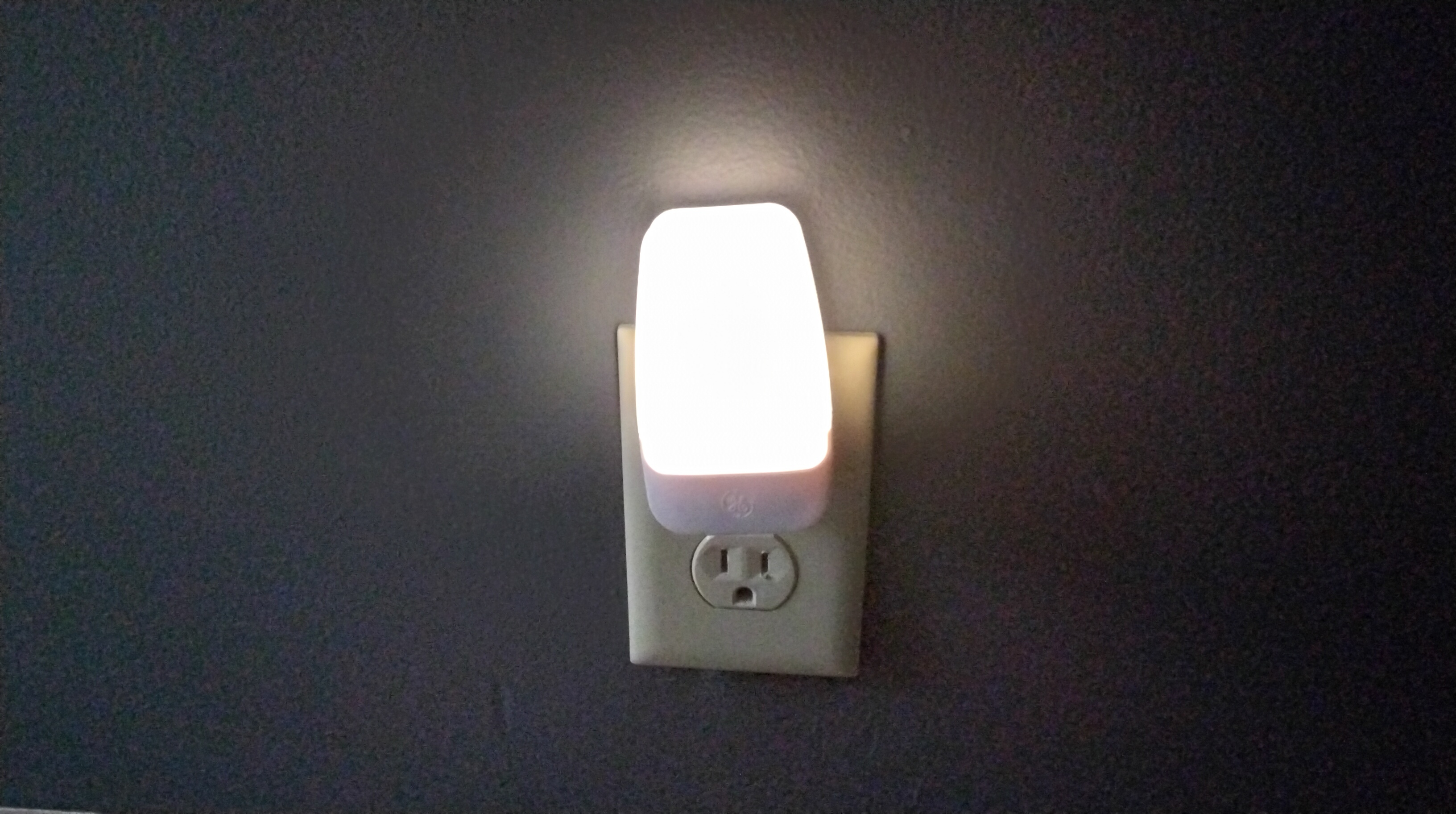
The best night light for most older adults is a warm-colored, automatic plug-in model that gives even, low-glare light and does not block the second outlet. For a route to the bathroom, motion-activated lights can be better because they illuminate the path before the person reaches a switch. Rechargeable lights are useful during outages or where outlets are scarce, while under-bed lighting can make the floor visible without shining directly into the eyes.
There is no single winning model for every home. The right setup depends on the route, the available outlets, the person’s vision, whether sudden light causes confusion, and whether a cane or walker must pass close to the wall. Placement often matters more than brand or maximum brightness.
This guide compares the main types of night lights and gives caregivers a room-by-room installation plan. It does not rank specific commercial models, which change frequently. Instead, it provides a shortlist of features that remains useful when products are replaced or discontinued.
Quick Picks by Use Case
| Need | Best starting type | Why it fits | Main drawback | | --- | --- | --- | --- | | Continuous bedroom orientation | Dusk-to-dawn plug-in | Turns on without action and stays predictable | May be too bright or illuminate only one spot | | Route from bed to bathroom | Motion-sensor path lights | Light follows movement along the route | Poor sensor placement can trigger late or unnecessarily | | Floor visibility without eye glare | Under-bed motion lighting | Washes light across the floor from a low position | Installation and cable routing take more care | | Bathroom orientation | Dusk-to-dawn plug-in or low wall light | Keeps the toilet, doorway, and obstacles visible | Outlet may be occupied or near splash zones | | Stairs or a level change | Fixed stair/path lighting plus full overhead light | Marks edges and supports safer approach | A small night light alone is not enough for stair use | | Few available outlets | Rechargeable magnetic light | Flexible placement and easy charging | Can go dark if charging is forgotten | | Power outage backup | Flashlight plus battery emergency light | Works independently of household power | Batteries need a scheduled check | | Dementia or confusion at night | Gentle, predictable automatic lighting | Removes the need to find controls | Motion changes or shadows may still be startling |
The National Institute on Aging recommends good lighting in halls and stairways, automatic night lighting in bathrooms, and night lights or switches close to the bed. Those are sound goals, but a night light is only one layer. Clear floors, secure rugs, grab bars, suitable footwear, and assessment of new balance or vision problems still matter.
How We Evaluate Night Lights
A useful night light should make the next few steps easier without creating glare, confusing shadows, tangled cords, or another maintenance task that no one remembers. Compare products on the following seven points.
1. Useful illumination, not maximum brightness
The light must reveal the walking surface, thresholds, furniture edges, and the doorway. It does not need to light the whole room like daytime. A very bright point source can be uncomfortable after waking and can make the area beyond it appear comparatively dark.
Brightness labels are not always comparable across small night lights. Some list lumens; others use vague terms such as soft, bright, or adjustable. An adjustable model is helpful when vision needs and room finishes vary. Dark carpet and walls absorb more light than pale, reflective surfaces.
Judge the result from the older adult’s eye level and from the bed—not while standing directly beside the product. If the bulb is visible and uncomfortable, choose a shielded or downward-facing design.
2. Warm, comfortable color
Warm white or amber light is usually a comfortable nighttime starting point. Cool blue-white light may feel harsh after darkness. Color preference and visual conditions differ, so treat color temperature as a comfort choice rather than a promise that a device will prevent falls or improve sleep.
Color should not distort important contrasts. A very saturated red light, for example, may make some objects harder to distinguish. If the person has low vision, cataracts, macular degeneration, glaucoma, or another eye condition, ask their eye-care or low-vision professional what color and contrast work best.
3. Automatic controls that match the routine
A dusk-to-dawn sensor turns the light on whenever the room is dark. This is simple and predictable. A motion sensor saves energy and can provide more light only when someone moves, but detection range, angle, and delay vary.
For someone who wakes disoriented, a constant dim glow may be less startling than a light that changes suddenly. For someone who wants a darker bedroom, low-level continuous orientation light plus motion lighting in the hall can be a good compromise.
4. Safe power and battery design
Plug-in lights avoid routine charging but must fit firmly and leave cords out of the walkway. Rechargeable lights are flexible, yet their batteries can be empty when needed. Replaceable-battery models require a check schedule and a compartment that closes securely.
Button and coin batteries are a serious ingestion hazard, especially in homes visited by children or occupied by a person who may handle objects unpredictably. Prefer products with secured compartments and keep loose batteries inaccessible. Check the U.S. Consumer Product Safety Commission recall database before buying an unfamiliar model or continuing to use an older one.
5. Placement without obstruction
A bulky light can block the other receptacle, interfere with a plug, or protrude into the path of a walker. A freestanding light on the floor can itself become a trip hazard. Corded strip lighting needs clips or channels so the cable cannot migrate into the route.
In bathrooms, use products only where the manufacturer permits and keep electrical devices away from water. Do not defeat outlet protections, use damaged receptacles, or improvise an extension cord across the floor.
6. Predictable behavior
The best safety product behaves the same way every night. Look for a model that remembers its settings after a power interruption, does not cycle through unwanted colors, and has controls that cannot be changed accidentally during cleaning.
Test whether daylight from another room fools the sensor and whether pets, passing cars, or bedding trigger motion. A light that switches on and off constantly may be abandoned even if its specifications look ideal.
7. Easy maintenance
LED night lights commonly run for long periods with little attention, but sensors can collect dust, adhesive strips can loosen, and rechargeable batteries lose capacity. Choose products that a caregiver can remove, clean, recharge, and reinstall without tools or balancing on furniture.
Best Overall Type: Adjustable Dusk-to-Dawn Plug-In
This is the simplest first purchase for bedrooms, bathrooms, and short hallways with available outlets. It activates in darkness, requires no button press, and avoids the charging routine of a portable light. Adjustable brightness makes it easier to find the minimum level that reveals the route.
Look for a shielded LED, a warm setting, and a slim body that does not block the second outlet. A rotating face or directional shade helps aim light toward the floor rather than the bed. If the unit has color modes, confirm it resumes the chosen setting after a power failure.
The weakness is reach. One outlet-level light may create a bright pool followed by a dark section. It also cannot solve a route hidden around a corner. Use two or more modest lights when that creates a more even path than one intense source.
Best for Bathroom Trips: Motion-Sensor Path Lights
Motion lights can illuminate the route before the older adult searches for a wall switch. This is especially useful when the first switch is several steps from the bed or at the far end of a hallway. The NIA specifically suggests motion-activated plug-in lighting for pathways and stairwells.
Sensor position is critical. The first light should detect movement while the person is sitting up or placing their feet on the floor, not after they have already taken several steps. Additional lights should overlap so the next section turns on before the current section goes dark.
Compare activation angle, sensitivity, duration, and whether the sensor operates only in darkness. A long shutoff delay can be helpful for slow walking; a very short delay may leave the return trip dark. Pet households may need a position that avoids repeated triggering near the floor.
Best Low-Glare Option: Under-Bed Lighting
An LED strip or bar mounted beneath the bed can spread light across the floor while keeping the light source out of direct view. It is well suited to showing slippers, a mobility aid, and the first steps toward the bathroom.
Choose a kit designed for this use rather than assembling exposed wiring. Secure the light and cable so cleaning, bed movement, or a vacuum cannot pull them loose. Mount the motion sensor where a hand, leg, or foot will trigger it before standing, while avoiding bedding that moves in a draft.
Under-bed light should supplement, not replace, path lighting. It can reveal the immediate floor but leave a hallway, threshold, or bathroom doorway dark. It may also produce confusing shadows beneath a high bed if the strip is installed unevenly.
Best Flexible Option: Rechargeable Magnetic Lights
Rechargeable lights work where outlets are badly placed: inside a dark passage, beside a closet, or near a doorway. A magnetic mount lets the light come off for charging and can double as a portable lamp during an outage.
Choose a mount that locks or grips firmly. A light that falls from the wall can become an obstacle. Adhesive pads work only on clean, compatible surfaces and may damage paint or release in humidity. Screwed-in brackets are more reliable but should be installed clear of wiring and plumbing.
Set a recurring charging day and keep the cable in a known location. If the device gives little warning before shutting down, install a second layer of light or replace it with a plug-in solution for a high-risk route.
Best for Stairs: Fixed Step Lighting, Not a Single Night Light
Stairs need more than a glowing marker at the top or bottom. The user should be able to see each tread, the landing, and both handrails without deep shadows. Use fixed wall or step lights as orientation lighting and switch on the full stair light before climbing or descending.
Place controls at both ends of the stairway. Avoid a plug-in unit that protrudes where a foot, cane, bag, or hand could strike it. If stair edges still blend together, an occupational therapist or low-vision specialist can suggest contrast changes and a qualified electrician can improve permanent lighting.
Do not use decorative string lights as a substitute. Loose cords and uneven points of brightness can add hazards rather than remove them.
Best for Power Outages: Emergency Light Plus Flashlight
A plug-in emergency light that charges continuously and activates when power fails can provide immediate orientation. Pair it with a flashlight stored within reach of the bed, as the NIA recommends. The flashlight is a backup, not something the person should cross a dark room to retrieve.
Test outage mode according to the instructions. Confirm that the light can be removed without force and that its battery still holds a charge. For replaceable-battery flashlights, schedule checks and remove leaking batteries promptly.
A phone flashlight is useful but is not the strongest only plan: the phone may be charging elsewhere, locked, or hard to operate immediately after waking.
Room-by-Room Placement Plan
Bedroom
Start at the bed. Put a reachable lamp or control on the side the person uses. Add low, shielded orientation light so footwear, a walker, and the clear route to the door are visible. Avoid shining directly toward the pillow or creating reflected glare in a mirror.
Keep the bedside area free of charging cables and loose rugs. If the person needs glasses to walk safely, store them in the same reachable place every night.
Hallway
Aim for continuous guidance rather than isolated bright spots. Put lights near turns, doors, thresholds, and changes in flooring. Check that open doors or furniture cannot block them. The route should be obvious in both directions because sensor behavior can differ on the return trip.
Bathroom
Illuminate the entrance, toilet, and route back out. A light inside the bathroom is more helpful than one hidden behind a closed door. Use only suitable electrical products and keep them away from sinks, tubs, showers, and splash areas.
Lighting does not replace grab bars or non-slip surfaces. A wet floor remains hazardous regardless of brightness.
Kitchen and living room
If the person walks through these spaces at night, mark furniture edges and the clear travel route. Do not scatter portable lights on counters where they reflect from glossy surfaces. Motion lighting under cabinets may help orientation but should not encourage cooking without adequate task lighting.
Entry and outdoor path
Outdoor fixtures need weather suitability and enough coverage for steps, locks, and uneven paving. Solar lights may be dim after poor weather or shade, so do not rely on them as the only lighting for an essential entrance. Repair the walking surface and provide handrails where needed.
How to Install and Test the Setup
Walk the route with the older adult after sunset. A daytime installation cannot show glare, shadows, dark adaptation, or sensor timing accurately. Have the person use their normal glasses, footwear, and mobility aid.
1. Begin in the usual sleeping position and identify the first control or sensor. 2. Sit up, pause, stand, and walk at the person’s normal pace. 3. Check every threshold, turn, rug edge, and floor-level obstacle. 4. Approach doors and the toilet to see whether the body blocks the light. 5. Make the return trip; sensors may respond differently from that direction. 6. Reduce brightness if the person squints or cannot see beyond a bright source. 7. Add a light where a dark gap remains instead of making one point much brighter.
Do not stage a test by intentionally making floors wet or turning off needed handrails or mobility aids. If the person is unsteady, have a caregiver or professional supervise.
Repeat the test after furniture moves, a bulb fails, vision changes, or a new walker is introduced. A setup that worked with a cane may be obstructed by a wider rollator.
Common Buying Mistakes
Buying for brightness alone
The brightest product can produce the most glare. Even coverage and good shielding are more useful than an impressive maximum output. Adjustable brightness offers room to tune the installation.
Placing one light at the destination
A bathroom light does not help with the dark steps between the bed and bathroom. Design the entire route, including the return journey.
Trusting “motion activated” without testing
Product claims do not tell you whether a sensor sees around the household’s corner or detects a slow, low movement. Test in the exact position and return products with blind spots that cannot be corrected.
Creating a cord hazard
Loose strip-light cables, extension cords, and charging leads can undermine the safety goal. Secure wiring outside the path and follow electrical instructions.
Forgetting maintenance
An uncharged light is only decoration. Put rechargeable and replaceable-battery devices on a caregiver checklist and keep a second source available.
Treating lighting as the whole fall-prevention plan
Nighttime falls can involve urgency, medication effects, low blood pressure, poor balance, vision changes, foot pain, or clutter. If there has been a fall or a noticeable change, tell the person’s healthcare professional.
Safety and Recall Checklist
Before putting any night light into regular use:
- Check the CPSC recall database for the brand and model.
- Inspect the plug, housing, cable, battery compartment, and mounting hardware.
- Stop using a product that is cracked, unusually hot, discolored, buzzing, or loose in the outlet.
- Keep button batteries and loose rechargeable cells away from children and anyone who may mouth or dismantle objects.
- Follow charging instructions and use the specified charger or cable.
- Keep indoor-only products indoors and away from water.
- Do not cover the light with bedding, fabric, paper, or furniture.
- Avoid extension cords across walking routes.
- Confirm that smoke and carbon-monoxide alarms remain visible, audible, and unobstructed.
Product recalls are not hypothetical: the CPSC maintains a night-light recall category and has recalled portable LED lighting over battery, fire, burn, shock, and ingestion hazards. A quick model check is worthwhile, especially for a no-name product or an older unit with missing instructions.
When to Ask for Professional Help
An occupational therapist can evaluate the route in the context of transfers, vision, cognition, and mobility aids. A low-vision specialist can help when ordinary brightness changes do not improve contrast or when glare remains a problem. Use a qualified electrician for new receptacles, hardwired stair lighting, damaged outlets, or any installation near water.
Seek clinical advice when nighttime walking changes suddenly; when there is dizziness, faintness, weakness, confusion, or new urgency; or when falls and near falls continue after obvious hazards are corrected. Night lighting may support safer movement, but it cannot diagnose or correct an underlying health problem.
The Bottom Line
For most homes, begin with adjustable warm dusk-to-dawn lights for basic orientation, then add motion-activated lights along the bed-to-bathroom route. Use under-bed lighting when glare is a concern, rechargeable models where outlets are unavailable, and a tested emergency light plus bedside flashlight for outages. Stairs require full, even illumination—not a single decorative night light.
Choose based on the route rather than the package. The best night lights for seniors turn on before the first risky step, reveal obstacles without glare, stay out of the way of feet and mobility aids, and keep working with minimal maintenance.
Related Reading
Sources
- National Institute on Aging: Preventing Falls at Home—Room by Room
- National Institute on Aging: Sleep and Older Adults
- CDC STEADI: Older Adult Fall Prevention
- U.S. Consumer Product Safety Commission: Night-Light Recalls
*This article is for general education and does not replace individualized medical, vision, rehabilitation, or electrical advice.*