
checklist
Nighttime Safety Checklist
Nighttime Safety Checklist: review the bed, bathroom path, lighting, phone access, medications, alarms, and the morning follow-up routine.
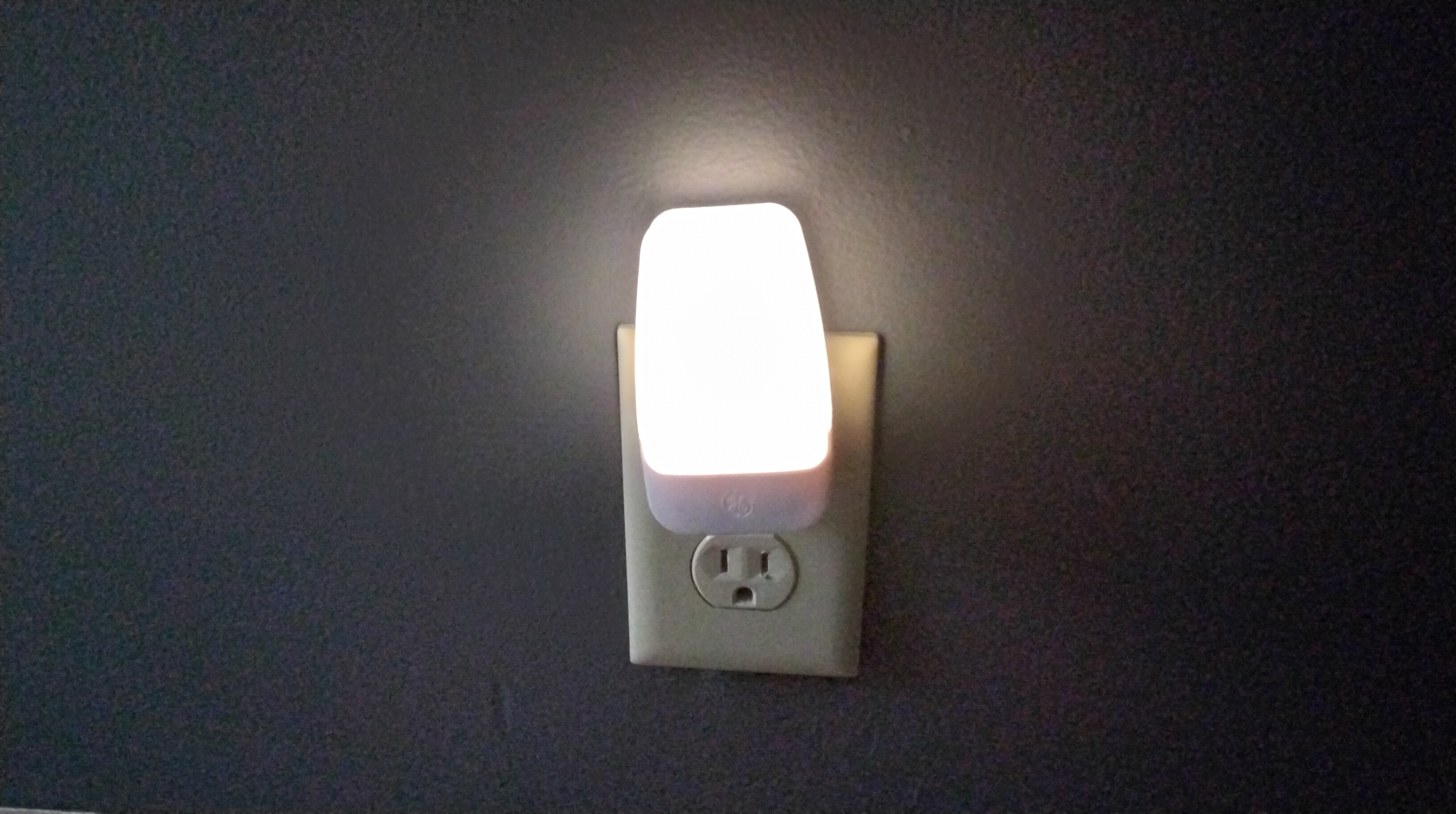
A nighttime safety checklist helps families spot the small overnight risks that are easy to miss during the day: a dark hallway, a loose rug, an urgent bathroom trip, a phone out of reach, or medication side effects that show up after bedtime.
Use this checklist during the evening routine, not from memory the next morning. Walk the actual path from bed to bathroom, test the lights, check what can be reached from bed, and write down the first two changes that would lower risk tonight.
Why This Topic Matters
Nighttime is when many older adults are tired, partially awake, moving in low light, and trying not to disturb anyone. A person who walks steadily at noon may be less steady at 2 a.m., especially after sleep medication, alcohol, dehydration, pain, urgency, or a long day.
The goal is not to make the home feel clinical. The goal is to make the most common overnight actions easier: getting out of bed, finding glasses or a walker, reaching the bathroom, calling for help, and getting back to bed without rushing.
Small changes can matter quickly. A plug-in night-light, a cleared path, a bedside commode, a reachable phone, or a better bedtime medication review may prevent more trouble than a large project that never gets finished.
Quick Risk Scan
Start with the last two weeks. Ask whether there has been a fall, a near fall, new bruising, wet clothing or bedding, confusion after dark, wandering, missed nighttime medication, trouble reaching the bathroom, or a call for help that no one heard.
Then watch one normal evening. Notice where hands reach for support, where the person pauses, whether footwear is used, whether the walker or cane is where it should be, and whether the bathroom trip feels rushed.
Give priority to issues that could cause harm tonight: poor lighting on the walking route, unstable furniture used as a handhold, clutter near the bed, slippery flooring, no way to call for help, or urgent bathroom trips that require crossing the house.
If risk is already high, do not wait for a perfect setup. Put temporary fixes in place first, then decide whether the longer-term answer is equipment, therapy input, medical review, paid help, or a different sleeping arrangement.
The Checklist
- Clear the floor from bed to bathroom, including shoes, laundry, cords, throw rugs, pet bowls, and furniture corners.
- Add steady night lighting at the bed, doorway, hallway, bathroom entrance, and toilet area.
- Keep glasses, hearing aids, walker or cane, water, tissues, and phone in the same reachable place every night.
- Check that the bed height allows both feet to rest on the floor before standing.
- Place sturdy support near the bed if the person grabs furniture, walls, or the mattress to stand.
- Use non-slip footwear that is easy to put on while half awake.
- Make sure the bathroom floor is dry before bedtime and that bath mats do not slide.
- Consider a raised toilet seat, toilet safety frame, grab bars, or bedside commode if urgency or distance is the problem.
- Review evening fluids, caffeine, alcohol, diuretics, sleep aids, and pain medicines with a clinician or pharmacist when nighttime trips, dizziness, or confusion increase.
- Put a charged phone, medical alert button, smart speaker, bell, or call device where it can be reached from bed and from the floor.
- Check that smoke alarms, carbon monoxide alarms, and any bed or door alerts can be heard by the person who needs to respond.
- Use a simple morning note or call to track falls, wet floors, unusual confusion, or anything moved out of place overnight.
Bed and Transfer Checks
The first risky moment is often standing up. A bed that is too high, too low, too soft, or crowded with blankets can make a half-awake person twist, slide, or reach for unstable support.
Sit on the edge of the bed and test the transfer. The older adult should be able to plant both feet, pause, stand without pulling on a rolling table, and reach their walking aid without stepping around clutter.
Bed rails deserve extra caution. They can help some people reposition or transfer, but they can also create entrapment or climbing risks if poorly matched. If the person has confusion, tries to climb over barriers, or moves unpredictably in bed, ask an occupational therapist, physical therapist, or clinician before adding rail-style equipment.
Bathroom Path Checks
Walk the route in the same light the person uses at night. If you need to squint, shuffle, feel along the wall, or step around objects, the route needs work.
Lighting should show the floor without creating glare. Motion-sensor lights can help when switches are hard to find, but test them from the bed and from the bathroom doorway. If they turn off too quickly, choose a steady plug-in light instead.
If the bathroom is far away, the safer answer may be a bedside commode, urinal, or scheduled toileting before bed. That conversation can feel sensitive, so frame it around sleep, privacy, and avoiding rushed trips rather than loss of independence.
Medication and Health Checks
Nighttime falls are not always caused by the house. Dizziness, low blood pressure, dehydration, pain, urinary urgency, sleep medicines, sedating antihistamines, alcohol, and medication timing can all change overnight safety.
Ask the pharmacist or prescribing clinician to review medicines if the person is newly unsteady, groggy, confused, or getting up many times at night. Do this promptly after any fall, medication change, hospital visit, or new sleep aid.
Also look for treatable causes of repeated bathroom trips, such as urinary symptoms, constipation, swelling in the legs, uncontrolled blood sugar, or evening diuretic timing. A home checklist can reduce hazards, but medical causes may need medical attention.
Communication and Backup Plan
A nighttime plan should answer two questions: how the person calls for help, and who responds. A phone across the room is not enough if the person could fall beside the bed or in the bathroom.
Test the plan out loud. If they press an alert button, who receives it? If they call a family member, will the phone be on? If they use a smart speaker, does it hear them from the bathroom? If there is a locked door, can help get in?
For someone who lives alone, add a morning check-in after any period of increased risk. A missed call, unusual confusion, or an untouched breakfast setup can be a signal to follow up sooner.
Common Mistakes
The most common mistake is adding a product without fixing the route. A new alert button does not solve a dark hallway, and a night-light does not help if the walker is folded behind a chair.
Another mistake is relying on furniture for support. Dressers, towel bars, rolling carts, and bedside tables may feel convenient, but they are not designed to hold body weight during a transfer.
Families also underestimate rushed toileting. If the person waits too long, wakes suddenly, or feels embarrassed asking for help, the safest path may still fail. Solve the urgency problem directly instead of only telling the person to slow down.
When to Get More Help
Ask for professional input if there has been a fall, repeated near falls, new confusion, wandering, fainting, chest pain, shortness of breath, sudden weakness, a major change in walking, or trouble getting up from the floor.
An occupational therapist can help with bed, bathroom, and equipment choices. A physical therapist can evaluate strength, balance, gait, and transfers. A clinician or pharmacist can review medical causes, medication timing, and nighttime confusion.
If the person needs hands-on help most nights, treat that as a care-planning issue, not a willpower issue. The answer may involve overnight supervision, respite care, a safer bedroom location, or a different bathroom setup.
A Simple One-Week Review
After making changes, review the next seven mornings. Ask whether the person got up overnight, whether they felt rushed or dizzy, whether the light level worked, whether any object was moved for support, and whether help would have been reachable from the floor.
Keep what works and remove what gets ignored. A checklist is only useful if the nighttime routine remains simple enough to follow when everyone is tired.
Questions to Discuss With Family
- What is the riskiest overnight moment right now: standing from bed, walking, toileting, confusion, or calling for help?
- Which change can be done before bedtime today?
- Who will check whether the new setup is actually being used?
- What sign means the family should call the clinician, therapist, or care manager?
- If help is needed overnight, who responds and how do they get inside?