
compare
OTC vs Prescription Hearing Aids
Readers comparing OTC vs Prescription Hearing Aids need clearer tradeoffs, not generic feature lists.
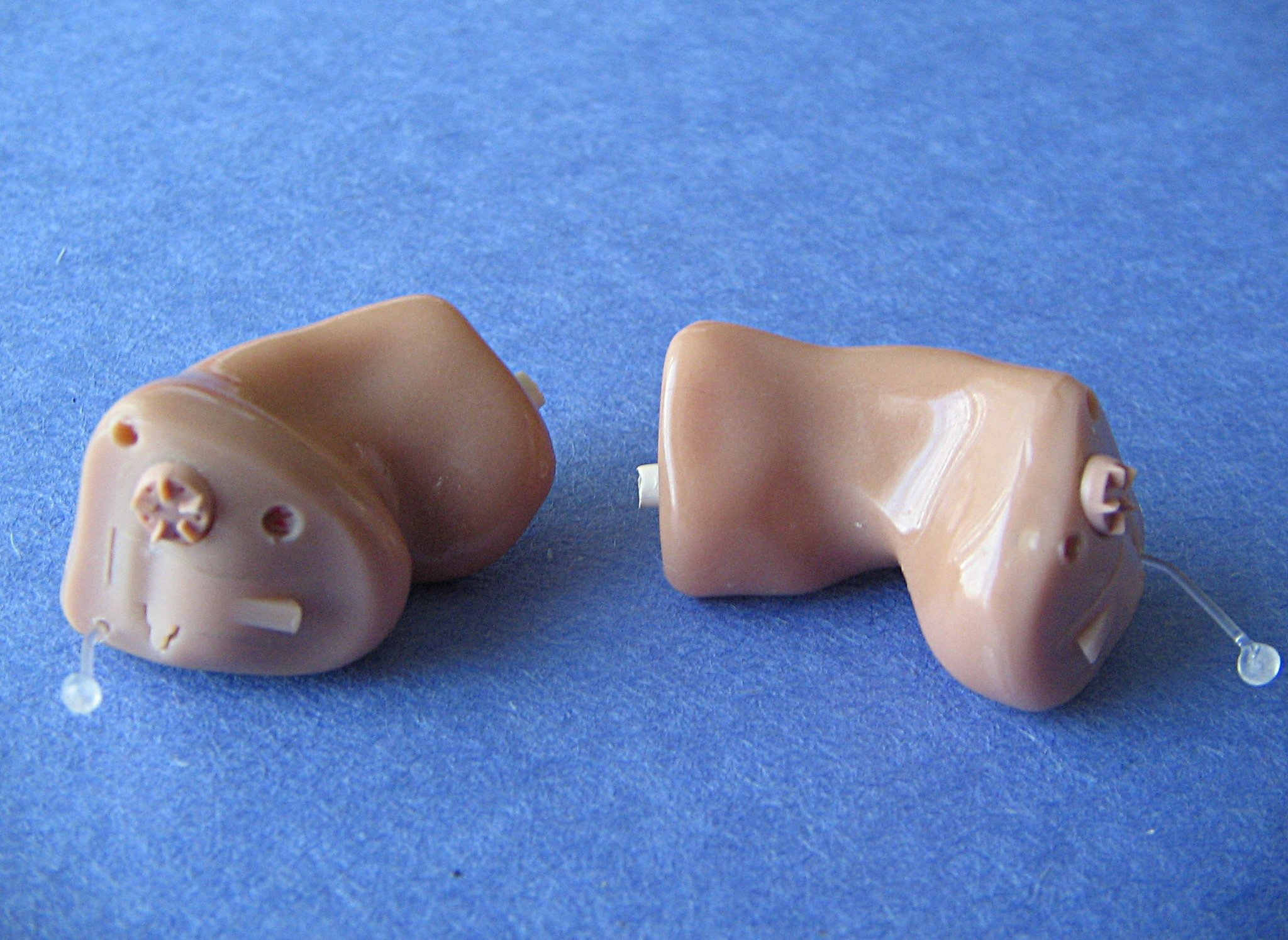
When comparing OTC vs prescription hearing aids for a parent, start with two questions: what hearing care does this person need, and who will help the device work on an ordinary day? A lower purchase price matters, but so do comfortable placement, understandable controls, and access to someone who can troubleshoot an unsuccessful fitting.
For an eligible adult, an OTC purchase can be a reasonable route. A prescription fitting may be worth pursuing when the hearing problem or the daily support needs call for more professional involvement. This comparison covers the United States; purchasing rules elsewhere may differ. It offers a family buying framework, rather than a diagnosis or a ranking of individual devices.
The Main Difference: Eligibility and Fitting
In the United States, OTC hearing aids are for adults age 18 or older with perceived mild to moderate hearing loss. They can be bought without a prescription or professional fitting. Prescription hearing aids are obtained through a licensed hearing professional and can serve a broader range of hearing needs, depending on the device. See the FDA's explanation of OTC and prescription categories.
Treat the category as a starting point for comparison. For every offer, ask who handles setup, who answers questions afterward, and what happens if the wearer struggles. An online purchase may include substantial remote assistance; an office purchase may include different amounts of follow-up depending on the contract. Get those details in writing.
| Decision point | OTC route | Prescription route | | --- | --- | --- | | Who it is intended for | Adults with perceived mild to moderate loss | People whose needs match the prescribed device, including needs outside the OTC category | | Initial fitting | Consumer setup; assistance depends on the offer | Professional programming and fitting | | Family's buying task | Check eligibility, usability, and support terms | Compare the proposed device and the clinician's service package | | Daily responsibility | Confirm who manages controls, cleaning, and charging | Confirm the same tasks, even with professional fitting | | If results disappoint | Use available support and consider an evaluation | Arrange follow-up and discuss whether settings or the care plan need revision |
A useful comparison asks whether the complete arrangement will work for the parent. The label alone cannot answer that question.
When to Seek Care Before Shopping
A parent who suddenly loses hearing needs immediate medical attention. Do not wait for a delivery or assume wax is responsible. The National Institute on Deafness and Other Communication Disorders guidance on sudden deafness describes sudden hearing loss as a medical emergency, because delaying diagnosis and treatment can reduce treatment effectiveness.
For other concerns, the NIDCD OTC hearing aid guidance advises seeing a physician promptly for ear pain, drainage, suspected excessive wax or an object in the ear, vertigo with hearing loss, rapidly worsening or fluctuating hearing, or hearing loss or ringing affecting only one ear. These concerns need evaluation before selecting a product.
Difficulty hearing conversation in a quiet room, or difficulty hearing loud sounds, also warrants hearing professional input because the loss may exceed what OTC devices can address. The same NIDCD guidance explains this distinction.
For a caregiver, the practical action is to describe the change clearly: when it began, whether one or both ears are affected, and any accompanying symptoms. Bring that account to the appointment rather than trying to decide the cause at home.
When an OTC Trial May Be Practical
Consider the OTC route when the adult fits the intended category, wants to try it, and has a realistic way to manage setup and daily use. Before ordering, invite the parent to read the instructions with you. Ask them to explain how they would change a setting, contact support, and recognize whether the device is charging.
This is a planning exercise, not a test of independence. If the instructions are difficult, compare another model or a more supported service. The caregiver who understands the app today may be unavailable next month. A sustainable purchase gives the wearer a way to get help without waiting for that one person.
For example, imagine a parent who regularly uses a smartphone and wants easier conversations at a weekly card game. An OTC trial with clear support and return terms may fit that goal, assuming there are no reasons to seek medical care first. Write down the goal before buying so the trial measures something meaningful.
Also check whether the parent actually wants app control. Someone can be technically capable yet prefer physical buttons. Match the offer to that preference instead of assuming the most adjustable product will be the most welcome.
When a Prescription Fitting Deserves Priority
A hearing evaluation is a sensible next step when the family is uncertain about the severity or pattern of hearing loss. The NIDCD hearing aid overview explains that prescription devices are programmed for the individual's hearing loss and that more significant or complicated loss may require prescription aids or another device.
Beyond clinical eligibility, consider the value of a local person who can watch the wearer handle the device. A parent might describe a problem as poor sound when the difficulty is placement, a confusing control, or an uncomfortable tip. Ask a prospective provider how they address these issues and what follow-up is included.
For example, a parent with limited hand movement may want to compare several device shapes in person. Ask for a handling demonstration before committing to a purchase. Professional fitting does not remove the need to charge or clean the aid; it gives the family an opportunity to plan those tasks with someone who can observe the difficulties.
Request a written explanation of the recommended device, available alternatives, and the services included. That makes the recommendation easier to assess alongside the family's travel, budget, and caregiving constraints.
Compare the Full Cost of Each Offer
Use actual quotes rather than assuming every OTC option is inexpensive or every prescription package includes unlimited care. Prices and service arrangements vary. A practical family worksheet puts the purchase amount, recurring expenses, and support costs on separate lines.
Ask each seller or provider:
- Does this amount cover one device or a pair?
- Which fitting appointments or remote sessions are included?
- What will additional adjustments cost?
- Which supplies will need regular replacement?
- Are accessories necessary for the parent's intended use?
- What are the repair, loss, and replacement terms?
- Does financing change the total amount paid?
Keep estimates separate from guaranteed charges. If a seller cannot tell you a future repair cost, record it as unknown rather than entering zero. Ask an insurer or benefit administrator about the exact offer before relying on reimbursement.
Include family expenses in the decision. Office visits can mean transport and missed work. Home setup can mean caregiver time spent pairing a phone and contacting support. Assign those tasks honestly. A device that costs less upfront may still be worthwhile, but the family should understand the work accompanying that saving.
Set a spending limit before comparing premium features. Decide which daily problem would justify paying more, and ask how the proposed feature addresses it. This keeps the conversation tied to a useful outcome.
Check Handling Before Sound Features
Before discussing specialized listening modes, ask whether the wearer can complete the basic routine. Have them demonstrate insertion and removal when a demonstration is available. Check whether they can identify the correct side, find the controls, and place the device in its charging position or change its battery as instructed.
Consider the entire morning routine. Glasses, a mask, a telephone, and hair can complicate handling. Bring the items the parent normally uses to an appointment, or include them in a home trial. A comfortable device while sitting still may feel different during a call or while putting on glasses.
For app-controlled products, verify compatibility with the parent's exact phone and software requirements before paying. Ask what functions remain available if the phone is unavailable. Look for written instructions that the parent can read without repeatedly borrowing the caregiver's screen.
Discuss cleaning using the manufacturer's directions. Agree where supplies will stay and who will order replacements. Avoid creating a complicated maintenance chart if a short instruction beside the storage area will do. The objective is a routine the household can repeat reliably.
Separate the Device From the Support Package
Two offers that look similar can place very different responsibilities on the buyer. Ask both OTC sellers and prescription providers to describe a common support situation: the wearer says voices are louder, but conversation is still hard to follow. Who responds, how quickly, and through which channel?
For an OTC offer, check whether help is provided by phone, video, chat, or email. Ask whether staff can assist with fitting and settings or only with orders and returns. If remote hearing care is advertised, request details about the service and any additional charges.
For a prescription offer, ask about appointment availability, follow-up fees, repair arrangements, and whether another caregiver can attend with the parent's permission. A nearby office is useful only if its availability and service terms fit the family's needs.
An evaluation and an OTC purchase can also be separate decisions. The FDA notes that consumers can obtain hearing evaluation records and buy elsewhere. Ask how to receive the records and whether any ongoing assistance with an independently purchased device is available. Do not assume it is included.
Build a Trial Around Real Conversations
Before purchase, verify the return deadline, when it begins, fees, required packaging, and the process for sending devices back. The FDA notes that OTC manufacturers are not required to provide a warranty. Read the actual terms rather than assuming a warranty or refund is automatic.
Choose three everyday situations the parent wants to improve. Examples include talking with a spouse at breakfast, joining a small family visit, and following a phone conversation. Keep the circumstances reasonably consistent so changing background noise does not obscure whether anything improved.
After each situation, make a brief note: what was easier, what remained difficult, and whether the aid was comfortable enough to keep wearing. Include the parent's own assessment. Fewer requests for repetition are useful, but so is being less exhausted after a conversation.
Schedule a support contact early enough to act before the return deadline. If a setting or fitting change is suggested, follow the product or clinician's instructions and record what happened. Do not keep an unsatisfactory purchase solely because the family has invested time in setup.
Hearing aids do not restore normal hearing, and adjustment takes practice, according to the NIDCD hearing aid guide. Set expectations around improved participation, rather than a promise that every noisy gathering will become effortless.
Use Two Family Scenarios to Clarify the Tradeoff
Consider Elena, who lives alone, uses her phone comfortably, and wants to participate more easily when friends visit. After checking eligibility and any symptoms needing care, she compares an OTC offer with accessible telephone support against a prescription quote. She chooses based on the written trial terms and her willingness to manage setup. Her daughter agrees to help once, then Elena tests whether the routine remains manageable herself.
Now consider Robert, who finds small controls difficult and depends on his spouse to organize devices. His family arranges a hearing evaluation and asks to try handling suitable options in person. They compare the service package as carefully as the hardware. A prescription arrangement may better fit their needs if professional follow-up helps resolve placement and control difficulties.
These are hypothetical examples, not predictions about results. Change the details and the decision may change. Elena might discover she wants in-person support; Robert might find a supported OTC option easy to handle if his hearing needs fit that category. Use the examples to identify questions, rather than to assign parents to fixed groups.
Questions Families Often Ask
Does prescription automatically mean better sound?
The category alone cannot establish which device will work better for a particular person. Compare the individual's hearing needs, fitting, comfort, and access to adjustments. Ask a provider or seller what the proposed option offers for the parent's specific listening goal.
Is an inexpensive sound amplifier the same as an OTC hearing aid?
No. The NIDCD explanation of OTC hearing aids distinguishes medical hearing aids from personal sound amplification products, which are intended for people without hearing loss. Check the product's stated intended use instead of relying on the listing's appearance.
Can a caregiver choose the device as a surprise gift?
Involve the wearer before purchasing. Their preferences about appearance, controls, comfort, and help determine whether the trial is worthwhile. A more useful gift may be offering transport to an evaluation or helping compare written offers together.
What if the first attempt is unsuccessful?
Take the trial notes to the available support service or a hearing professional. Explain whether the problem is comfort, handling, sound, or understanding speech. Those details help frame the next conversation without assuming the answer is simply a more expensive device.
Make the Purchase Decision Together
Choose the next step by combining clinical suitability with an honest support plan. If eligibility is uncertain or concerning symptoms are present, arrange evaluation first. If an OTC trial fits, select clear terms and a manageable routine. If a prescription fitting is preferred, compare the device and follow-up agreement together.
Before paying, name the listening goal, the person responsible for routine assistance, and the date to review results. That gives the parent and caregiver a shared way to judge whether the purchase is helping daily life.