
best
Best OTC Hearing Aids
Families comparing OTC Hearing Aids need a tighter shortlist, simpler criteria, and buying guidance rooted in real home use.
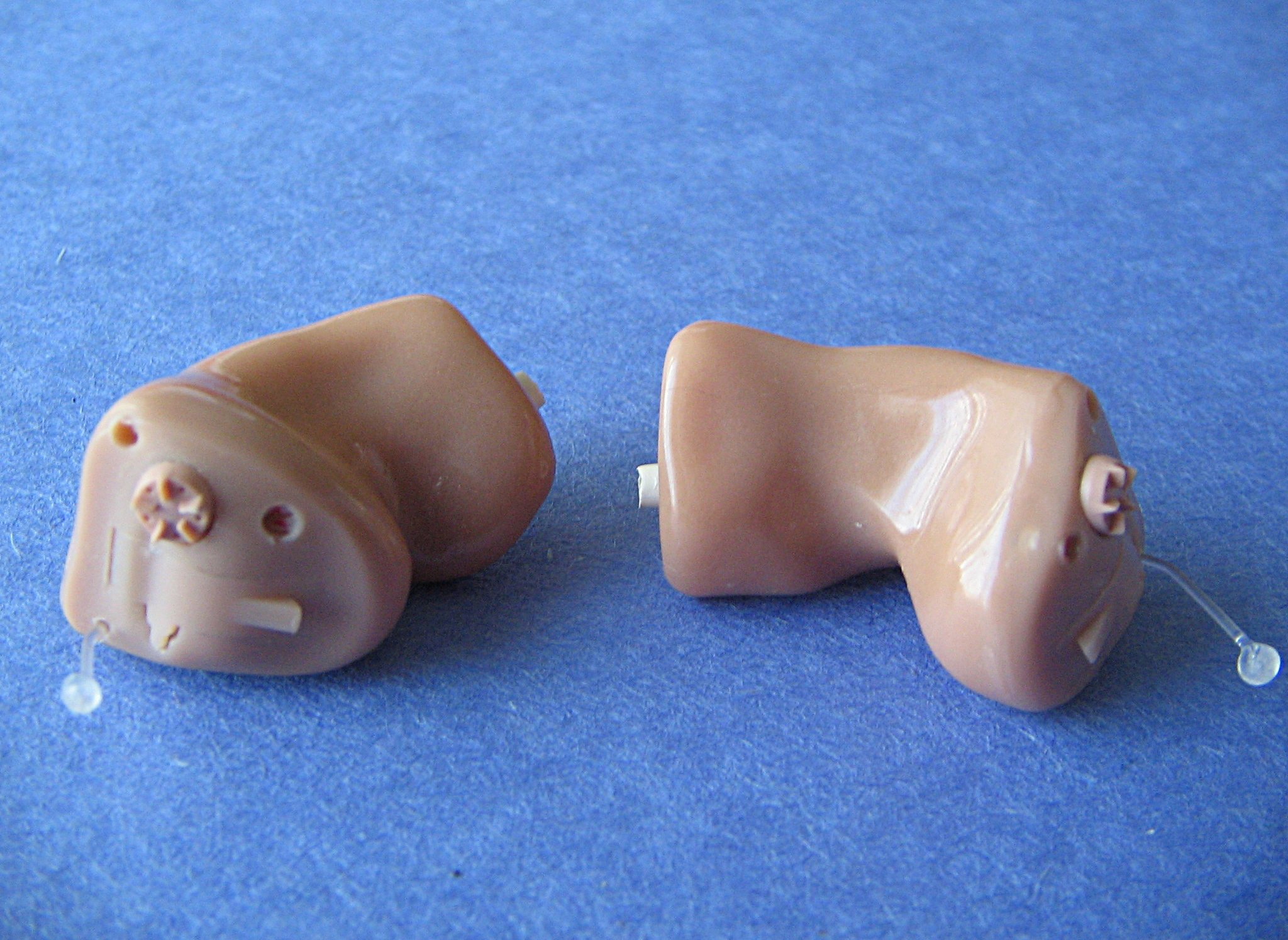
The best OTC hearing aid for an older adult is not simply the newest model or the one with the longest feature list. It is the device they can insert, charge, adjust, clean, and tolerate every day. For many families, that practical fit matters more than a small difference in sound-processing claims.
OTC hearing aids are intended for adults with perceived mild to moderate hearing loss. They can be a useful first step when a parent hears one-on-one conversation fairly well but struggles with television volume, soft voices, restaurants, church, or family gatherings. They are not the right shortcut when hearing loss is sudden, severe, painful, one-sided, or tied to dizziness, drainage, or ear injury.
This guide gives families a practical shortlist framework for comparing the best OTC hearing aids for seniors. Product lines, prices, subscriptions, and app features change often, so treat this as a buying map rather than a fixed ranking.
Quick Shortlist by Situation
For the most guided setup, start with OTC hearing aids that include strong remote support, hearing-test style setup, and follow-up adjustments. Jabra Enhance Select and Lexie are common examples families compare in this category. They may cost more than basic devices, but the extra support can matter when an older adult is nervous about apps or small controls.
For a familiar consumer-electronics experience, look at Sony OTC models. They tend to appeal to people who already use earbuds, smartphones, and app-based setup. The tradeoff is that the person still needs enough comfort with charging cases, app pairing, and small device handling.
For a nearly invisible style, Eargo is often on families' comparison lists. Its small in-canal design can feel less stigmatizing, but very small hearing aids can be harder to handle, clean, and retrieve if dexterity or vision is limited.
For a lower starting price, compare simpler OTC devices from reputable retailers or hearing brands with clear return windows. The lower price is only a win if the device has enough volume range, feedback control, comfort, and customer support to stay in use after the first week.
For someone with memory changes, shaky hands, poor vision, or low technology confidence, the best OTC choice may be no OTC purchase yet. A hearing evaluation or prescription fitting can prevent an expensive device from ending up unused in a drawer.
Who OTC Hearing Aids Fit Best
OTC hearing aids fit best when the person can describe the hearing problem, follow setup steps, and report what sounds better or worse. A good candidate often says things like "people mumble," "I hear you but miss words," or "restaurants are hard," while still hearing many everyday sounds.
They also need enough dexterity to place the device correctly. Behind-the-ear models require handling a small body, wire, and dome. In-canal models require careful insertion and removal. Rechargeable models need a consistent charging habit. Battery models require changing tiny batteries safely.
Caregiver support can make OTC hearing aids more realistic. A daughter or spouse can help install the app, label the charger, set a cleaning routine, and write down which program works best for television, phone calls, and meals. That support should be light enough to sustain. If every adjustment requires a family visit, the device may be too complicated.
OTC hearing aids are less appropriate when hearing loss is affecting safety in urgent ways. If the person cannot hear smoke alarms, doorbells, phone calls, medication reminders, or emergency instructions, do not rely only on a self-fit device. Pair the hearing plan with visual alerts, amplified phones, captioning, and professional guidance when needed.
What to Compare First
Start with fit style. Receiver-in-canal devices sit behind the ear with a small speaker or tip in the ear canal. They are common, flexible, and often easier to handle than tiny invisible devices. In-canal devices are more discreet but can be harder for older hands and eyes.
Next, compare setup support. Some OTC devices use an app-based hearing check and self-adjustment. Others include remote hearing-care support. Some rely mostly on preset listening modes. Families should choose the support level based on the older adult's confidence, not the caregiver's confidence.
Then look at charging. Rechargeable hearing aids are convenient when the charging case is easy to see and use. They can be frustrating if the person forgets to dock them or cannot tell whether they are charging. Disposable batteries avoid nightly charging but create their own dexterity and supply issues.
Finally, compare return policies before features. Hearing aids often need several days or weeks of adjustment. A generous trial period, clear restocking rules, and reachable customer support are more valuable than a feature that sounds impressive but may not be used.
Best for Guided Family Setup
Choose a guided OTC model when the family wants a middle path between a fully independent self-fit device and a traditional prescription process. These devices usually cost more, but the structure can save time and reduce frustration.
Look for remote audiology or hearing-specialist support, step-by-step app setup, replaceable domes, clear cleaning instructions, and an easy way to request adjustments. Ask whether support is included for the full ownership period or only during the trial window.
This category is a strong fit for a parent who is willing to try hearing aids but does not want repeated office visits. It can also help adult children who live far away because support is not limited to whoever happens to be in the room.
The main downside is price. Families may see monthly payment plans, bundles, or support packages that make comparison harder. Add the total first-year cost, including accessories, loss coverage, extra domes, wax guards, and any subscription-style support.
Best for App-Comfortable Seniors
Some older adults already manage smartphones, Bluetooth earbuds, tablets, and streaming apps. For them, an app-centered OTC hearing aid can feel familiar rather than intimidating. Sony-style self-fitting products often land in this comparison set.
The advantage is control. The user may be able to tune settings for restaurants, television, outdoor walking, or quiet conversation without scheduling an appointment. Some devices also look and store more like mainstream consumer electronics.
The risk is troubleshooting. Pairing problems, app updates, small charging contacts, and unclear mode changes can turn a promising hearing aid into a recurring support project. Before buying, read the setup instructions and ask whether the older adult could repeat the process after a phone replacement.
This category works best when the person is patient with small technology hiccups and has a nearby helper for the first week. It works poorly when the caregiver is hoping the device will be "set and forget" from day one.
Best for Discreet Wear
Discreet OTC hearing aids can be emotionally important. Some older adults avoid hearing help because they do not want visible devices. A smaller in-canal design can make the first trial feel less like a public announcement.
The tradeoff is handling. Tiny devices can be difficult to insert, remove, clean, and locate on a nightstand. Wax buildup can be harder to manage. People with arthritis, tremor, neuropathy, or low vision may find that a slightly larger behind-the-ear model is more usable.
If discreet wear matters, test it honestly during the trial period. Can the person remove the device without panic? Can they clean it without dropping it? Can they tell left from right? Can they put it in the charger correctly at bedtime?
Do not let appearance override safety. A visible device that gets worn every day is better than an invisible device that is skipped because it is too fiddly.
Best Lower-Cost Starting Point
A lower-cost OTC hearing aid can be reasonable when the hearing difficulty is mild, the person is uncertain about hearing aids, or the family wants a trial before spending more. The goal is not to buy the cheapest device. The goal is to avoid overbuying before the person knows what they will tolerate.
Look for a real hearing-aid product rather than a vague "sound amplifier." Check that the seller clearly describes who the device is for, what is included, how volume and programs are adjusted, how returns work, and how to get replacement tips or parts.
Lower-cost devices often compromise on support, comfort options, feedback control, noise management, or customization. Those compromises may be acceptable for quiet one-on-one conversation and television. They may be frustrating in restaurants, family gatherings, or rooms with competing sound.
Families should set a short test plan. Try the device during breakfast conversation, a phone call, television at normal volume, a quiet visit with one person, and a noisier family meal. If it only helps in one setting, decide whether that is enough.
Red Flags Before Buying
Do not start with OTC hearing aids if hearing loss came on suddenly. Sudden hearing changes need prompt medical attention. The same is true for ear pain, drainage, bleeding, dizziness, severe ringing in one ear, or hearing loss that is much worse on one side.
Be cautious if the older adult cannot explain whether the device helps. People with dementia, delirium, or significant communication changes may not be able to self-fit or report problems reliably. They may still benefit from hearing support, but the process should involve a clinician or hearing professional.
Also pause if the main problem is not hearing speech but understanding language, following conversation, or responding appropriately. Hearing aids amplify and process sound; they do not solve every cognitive, attention, or language issue.
If the person has heavy earwax, chronic ear infections, ear surgery history, or very narrow ear canals, get the ears checked before buying. A poorly fitting OTC device can be uncomfortable and discouraging even when the technology itself is fine.
Questions to Ask Before You Buy
- Is this device labeled for adults with perceived mild to moderate hearing loss?
- What is the full first-year cost, including accessories and replacement parts?
- How long is the trial period, and are there return or restocking fees?
- Does setup require a smartphone, Bluetooth pairing, or an email account?
- Can a caregiver help manage the app without taking over the older adult's phone?
- How are volume, programs, and left-right balance adjusted?
- What happens if the hearing aid whistles, feels plugged, or hurts?
- How often do domes, filters, tips, or batteries need replacement?
- Is customer support available by phone, chat, video, or only email?
- What support is available after the return window closes?
Write the answers down before comparing brands. It keeps the conversation practical and prevents a family from being pulled toward whichever product has the most polished advertising.
How to Test During the Trial Window
Plan the first week before the box arrives. Pick three situations where hearing matters: a morning conversation, a television program at normal volume, and a family meal or phone call. Those real moments will tell you more than wearing the hearing aids for an hour in a quiet room.
Start with short sessions. New hearing aids can make ordinary sounds seem sharp, loud, or strange at first. The refrigerator, paper bags, running water, and footsteps may all seem more noticeable. That does not always mean the device is wrong, but discomfort should improve with adjustment.
Keep notes in plain language. Instead of writing "bad sound," note "too sharp when dishes clank" or "better with granddaughter but worse in restaurant." Specific notes help customer support or a hearing professional make useful adjustments.
Check physical comfort every day. Sore spots, itching, feedback, loose fit, and difficulty removing the device are common reasons people quit. Try different dome sizes if the product includes them, and ask support for help before the return window gets tight.
OTC vs Prescription Hearing Aids
OTC hearing aids are usually the faster, lower-barrier path. They can be bought without an audiology appointment, and many families can test them at home within days. That matters when hearing trouble is creating daily friction but does not clearly require medical evaluation.
Prescription hearing aids are usually better when the hearing loss is more complex, severe, uneven, or hard to self-manage. A hearing professional can test both ears, look for patterns, fit devices physically, adjust them over time, and coordinate with medical care when red flags appear.
The decision is not permanent. Some families start with OTC hearing aids and later move to prescription support when they need more precise fitting. Others discover during a professional evaluation that OTC would be adequate. The best path is the one that gets the older adult usable help without ignoring warning signs.
For a deeper side-by-side decision, read the related guide on OTC vs prescription hearing aids before buying.
Setup Details Families Often Miss
Create a charging station in a place the person already uses every night. A labeled tray near glasses, dentures, medications, or the favorite chair is often better than a charger tucked into a bedroom corner. The goal is a visible habit, not a perfect-looking setup.
Label the cleaning supplies and replacement parts. Tiny wax guards, domes, brushes, and battery tabs can be confusing. Keep them in one container with the device model and customer support number.
Decide who handles updates and troubleshooting. If the hearing aids depend on an app, someone should know the login, app name, support number, and basic pairing steps. This prevents a small phone problem from ending the hearing-aid trial.
Pair hearing aids with environmental fixes. Lower background noise, face the person when speaking, improve lighting for lip cues, turn on captions, and add visual alerts for doorbells or phones when safety is involved. Hearing aids help most when the home routine also supports communication.
When to Return or Escalate
Return the device if it is uncomfortable after reasonable adjustments, too hard to handle, not helpful in the target situations, or dependent on a caregiver routine the household cannot sustain. Keeping an unused hearing aid past the return window rarely helps anyone.
Escalate to professional hearing care if the person still cannot follow conversation after a fair OTC trial, needs more gain than the device can provide, has one-sided problems, or cannot manage setup safely. Also escalate if communication trouble is causing medication mistakes, missed appointments, isolation, or family conflict.
Seek medical guidance promptly for sudden hearing changes, ear pain, drainage, dizziness, or new neurologic symptoms. Buying a hearing aid should not delay care for symptoms that may need diagnosis.
Bottom Line
For many seniors with mild to moderate hearing difficulty, the best OTC hearing aid is a supported, comfortable device with a return window long enough to test real life. Guided models are often best for families who want help with setup. App-centered models can work well for confident technology users. Discreet in-canal models may reduce stigma but require good dexterity. Lower-cost models can be a useful trial when expectations are modest and returns are clear.
The winning device is the one that survives ordinary Tuesday: charged, clean, inserted correctly, adjusted without drama, and helpful in the conversations the older adult actually wants to hear.