
compare
Grab Bars vs Suction Bars
Readers comparing Grab Bars vs Suction Bars need clearer tradeoffs, not generic feature lists.
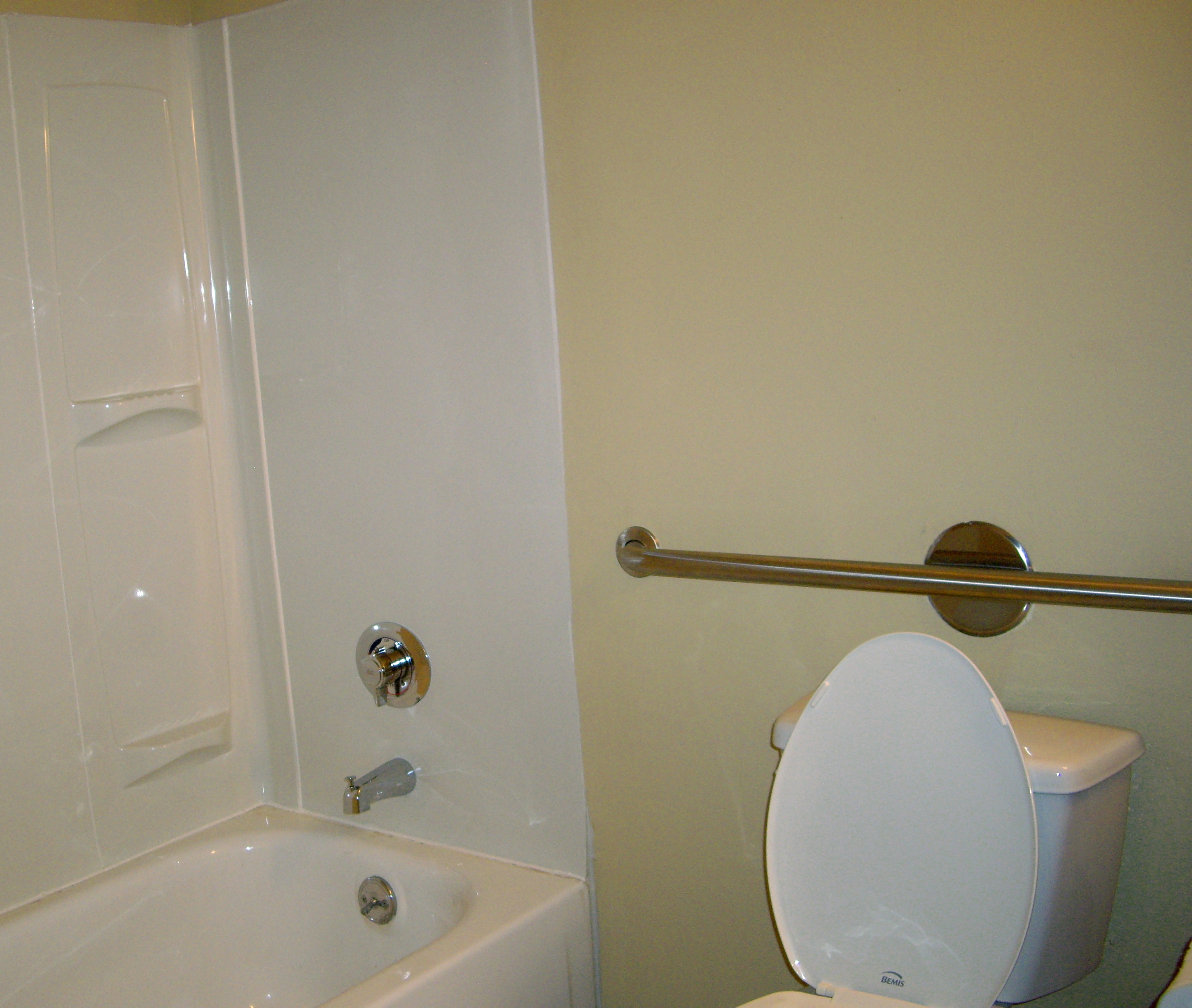
When comparing grab bars vs suction bars, start with the movement your parent needs help completing. If they need to pull, push, or put weight through a handhold to enter the shower, rise from the toilet, or transfer from a seat, choose a properly installed grab bar rated for that use. A suction handle whose instructions permit balance assistance only cannot replace that support.
Suction handles appeal to families because they avoid drilling and can travel. Those conveniences do not establish that a handle will support a transfer or remain attached during a slip. This comparison explains what to check before buying, what installation involves, and how to plan when permanent work must wait.
The practical difference at a glance
Here, “fixed grab bar” means a purpose-built support secured with fasteners to suitable structure or an approved mounting system. “Suction bar” means a removable handle attached with suction cups. Products vary within both groups, so read the exact model's instructions.
| Decision point | Properly installed fixed grab bar | Suction handle | | --- | --- | --- | | Attachment | Fasteners and an appropriate structural connection | A seal between cups and a compatible surface | | Intended assistance | Depends on the bar and complete installation rating | Often limited to light balance assistance | | Standing and transfers | Select a system specifically suitable for the task | Do not use a balance-only model for this purpose | | Surface constraints | Installer must assess the wall and mounting method | Cup locations must meet the manufacturer's surface requirements | | Portability | Usually stays with the bathroom | Removable, but each new location needs assessment | | Ongoing attention | Inspect hardware, grip, wall, and sealant | Follow attachment checks and reattachment instructions | | Purchase decision | Include installation in the budget | Check limitations before considering convenience |
For broader changes around bathing, use the bathroom safety guide. A handle addresses one part of the room; it does not resolve an unsuitable tub entry or the need for another person's assistance.
Decide whether the task involves body weight
Describe the task in ordinary language before looking at product listings. “Dad wants something beside the shower” leaves the crucial question unanswered. “Dad pulls with his right hand while lifting one foot over the tub edge” identifies a support requirement that a balance-only handle cannot meet.
Ask your parent which movements feel difficult and where they currently reach. Discuss the usual routine without asking them to demonstrate an unsafe transfer. If they already use a towel rail or shower door for support, arrange an assessment and a suitable alternative rather than assuming a different nearby handle solves the problem.
Consider the following situations:
- Pushing up from a toilet or shower chair calls for equipment appropriate to the transfer.
- Holding a support while stepping over a tub edge requires a plan for the entire entry and exit.
- Needing hands-on help means the helper's position and technique also need assessment.
- Wanting a light touch while otherwise standing independently is a different need, but still requires product instructions and an appropriate surface.
An occupational therapist can help evaluate the bathroom, the person's abilities, and equipment options. If you cannot tell whether your parent relies on a handhold for weight support, resolve that uncertainty before buying a suction product.
What manufacturer warnings tell you about suction handles
Moen's published information for its LR2308W suction balance assist bar limits it to balance assistance and excludes body-weight leverage. It also instructs users to check attachment before each use and reattach when necessary. Those are model-specific limitations worth taking literally. Moen bath safety product literature.
For any model under consideration, find the manual rather than relying on the shopping-page title. Look for the intended use, prohibited uses, permitted surfaces, attachment procedure, inspection steps, and replacement guidance. If those instructions are unavailable or unclear, ask the manufacturer before purchasing.
A label saying “grab bar” does not settle whether the product can support the movement you have in mind. Neither does a photograph showing an older adult beside a shower. Make a short written note of the permitted use so another family member does not mistake a balance aid for transfer equipment.
A suction handle is a poor match when your parent cannot reliably follow its restrictions or when checking the attachment before use is unlikely to happen. Think about who will actually perform each required check at six in the morning, during an overnight visit, and when the usual caregiver is away.
Surface fit is a separate question from reach
A suction handle must fit both the permitted surface and a useful hand position. Moen describes its example as attaching to smooth, flat surfaces. Consult the current instructions for your chosen model about tile size, grout, texture, curvature, cleaning, drying, and cup placement. Do not assume that every tiled or glossy-looking wall qualifies. Moen suction balance assist bar information.
Measure the available uninterrupted area where each cup would sit, using the product's dimensions. A handle that fits only when placed too far forward or too high fails the practical assessment even if its cups attach. Avoid choosing the position solely because two large tiles happen to line up.
If a product has a color indicator, read exactly what the indicator measures. Do not interpret its color as permission to exceed the manual's intended use. An attachment indicator cannot change a balance-only product into equipment for standing up or catching a fall.
Keep the distinction visible in family discussions: surface compatibility answers whether the product can be installed there according to its instructions; functional fit answers whether the person should use it for the intended task. Both questions need satisfactory answers.
Fixed bars depend on the whole installation
A fixed grab bar needs a suitable bar, fasteners, mounting method, and supporting wall. Attractive metal hardware alone tells you little about the connection behind it. Tile is a finish; ask the installer what structure or approved anchor system will carry the load.
The U.S. Access Board's ADA standards specify a 250-pound vertical or horizontal force requirement across the grab bar, fasteners, mounting devices, and supporting structure. This is a structural requirement in the standards, not a universal user-weight label or a personal installation prescription. Which accessibility rules apply to a particular property requires a separate determination. U.S. Access Board: grab bar requirements, section 609.
Ask an installer these questions before approving work:
1. What wall construction have you identified? 2. Will the installation use studs, blocking, masonry, or a mounting system approved for this wall and bar? 3. What documentation confirms the selected components are compatible? 4. How will you protect the wet-area waterproofing at penetrations? 5. What inspection and maintenance instructions will you leave with us?
Some purpose-designed anchors permit installations away from studs, but that does not make ordinary drywall plugs suitable. Moen, for example, specifies particular conditions for its SecureMount anchors. Ask for the instructions for the exact system being proposed. Moen SecureMount installation information.
Avoid testing a questionable installation by hanging from it or having your parent lean on it. Have the installer verify the completed work using the applicable installation procedure.
Place support around the person and the movement
A strong bar in an unreachable position does not solve the task. Plan where the hand needs support before entry, during the movement, and after the person reaches the other side. Include the shower seat, door swing, controls, and the space a caregiver needs.
For example, a bar that is easy to grasp from inside a shower may be unreachable from the dry floor outside it. A toilet-side bar may interfere with clothing management or a mobility aid. These are reasons to assess the complete routine before drilling, rather than selecting a position from a product photograph.
Ask your parent about preferred hand, comfortable grip, visibility, and painful movements. Bring those observations to an occupational therapist or other qualified professional. Avoid copying someone else's bar height simply because their installation looks tidy.
Our guide to where to place grab bars provides additional planning questions. Use it to prepare for an assessment, especially when the bathroom is narrow or the person has difficulty transferring.
Compare the complete cost before choosing
Get a written quote that separates the bar, mounting hardware, labor, and any wall repair. Ask whether the installer needs to inspect the wall before confirming the price. A low hardware price is not a useful total when the proposed location requires reinforcement.
For a suction product, include the time needed to follow its instructions and the possibility that the available surface will not qualify. A purchase that cannot perform the required task has little practical value, even if it avoids an installation appointment.
Use three columns in your notes: required function, evidence that the proposed option meets it, and total quoted cost. Leave the evidence column blank when a seller cannot provide the manual or explain the installation. Resolve that blank before comparing finishes or ordering several handles.
For fixed-bar selection criteria, see Best Grab Bars. Treat product research and installation planning as one purchase decision, with responsibility for both clearly assigned.
Rentals, travel, and waiting for installation
In a rental, document the support your parent needs and contact the property manager about the proposed modification and installation process. Obtain any required agreement before arranging work. If permission or funding is uncertain, ask a local housing or disability resource about options applicable to that property.
For travel, ask the accommodation to describe the actual bathroom equipment and send current photographs when possible. Check whether the room being reserved has the required bathing arrangement. A portable suction handle cannot compensate for a tub your parent cannot enter safely.
While waiting for an assessment or installation, ask the care team about a suitable temporary bathing plan. Depending on assessed needs, that discussion might include assistance, a different bathroom, or appropriately selected seating or transfer equipment. Each alternative needs its own fit and use assessment; “no drilling” is not enough to establish suitability.
Make the interim plan explicit to everyone helping. Record which activities need assistance and who will provide it. Do not leave a balance-only handle in place with the expectation that your parent will remember to avoid loading it during a difficult movement.
Inspect the equipment and revisit the plan
Keep the instructions and installation details where family members can find them. For fixed equipment, follow the manufacturer's maintenance directions and arrange inspection if the bar moves, the surrounding wall changes, fasteners loosen, or damage appears. Stop relying on suspect equipment until it has been assessed and corrected.
For suction handles, follow the specified checks before use and any cleaning or reattachment procedure. If attachment repeatedly fails, do not improvise with glue or substitute materials unless the manufacturer explicitly approves that method. Reassess whether the surface and product are suitable at all.
Review the arrangement when your parent's mobility, grip, vision, or ability to follow instructions changes. A purchase suited to a previous routine may no longer meet current needs. Tell the assessing professional what changed, including near falls and newly needed assistance.
The National Institute on Aging recommends bathroom grab bars alongside other home measures such as appropriate lighting and addressing slippery surfaces. Review those surrounding hazards while planning support, rather than treating the new handle as the entire bathroom safety plan. NIA: preventing falls at home.
Questions families often ask
Can suction bars replace professionally installed grab bars?
A balance-only suction handle cannot replace a fixed support needed for transfers or weight-bearing assistance. Match the exact product's permitted use to the task. If the task involves pulling up, pushing off, or relying on the handle to prevent a fall, seek appropriate equipment and professional placement advice.
Does a strong initial attachment prove a suction handle is safe?
No. An initial attachment check does not establish continued attachment or expand the manufacturer's permitted uses. Follow the manual's inspection requirements, and do not use a balance-only product as a transfer support even when it feels firmly attached.
Should we buy the bar before booking an installer?
Agree on the proposed bar, location, wall assessment, and mounting method first. Ask the installer to confirm compatibility before ordering. This reduces the chance of buying a bar whose dimensions or approved hardware do not suit the planned installation.
What should we do first today?
Write down the difficult bathroom movement and whether your parent needs physical support or another person's help. Locate the manual for any handle already in use. Arrange assessment where the required support is uncertain, then choose the equipment and installation that address that specific movement.