
how_to
Where to Place Grab Bars
Readers looking for Where to Place Grab Bars usually need straightforward actions, not vague advice.
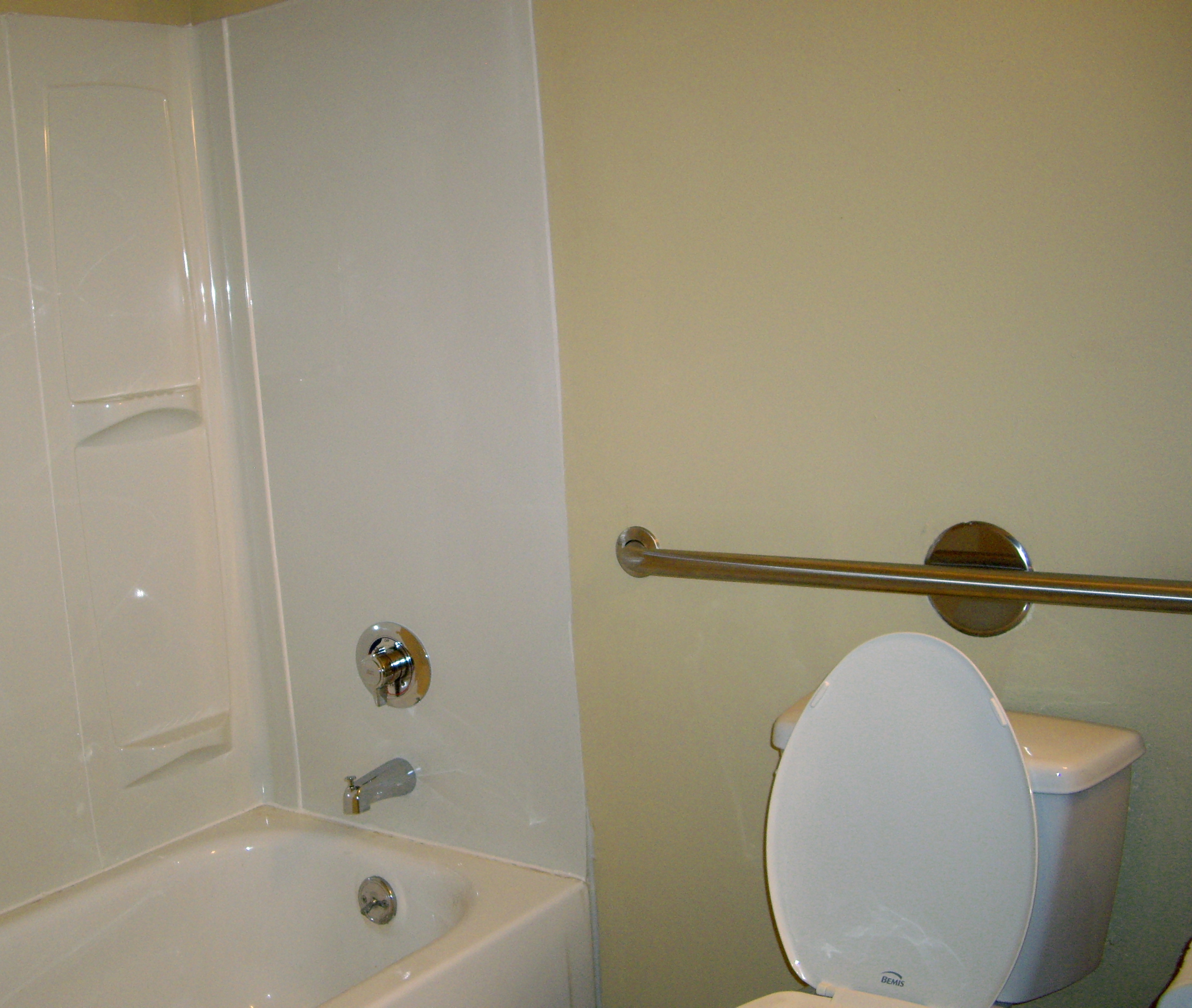
A step-by-step guide to Where to Place Grab Bars, focused on realistic changes that improve safety, independence, and confidence at home. In most homes, the safest starting point is to focus on the highest-risk problem first, make one or two realistic changes this week, and then reassess what still feels hard.
This guide is written for adult children, family caregivers, and older adults who are trying to make a calm, practical decision about where to place grab bars. Where to Place Grab Bars matters because small changes at home often have a bigger effect on safety, stress, and day-to-day confidence than families expect. A clear plan can help you focus on the next right step instead of trying to solve everything at once.
Why This Topic Matters
Readers looking for Where to Place Grab Bars usually need straightforward actions, not vague advice. Families are often balancing safety, dignity, budget, and a parent's willingness to accept change at the same time.
The tradeoffs around where to place grab bars are often practical and emotional at the same time. A family may need to lower risk while preserving privacy, keeping costs realistic, and avoiding changes that are too complicated to maintain.
If your family is under time pressure, use this guide to choose the next two steps for where to place grab bars, not to solve every long-term care question at once. Small, visible improvements are easier to test and adjust.
How to Do It Step by Step
Start by naming the specific problem you are trying to solve. For where to place grab bars, that means watching the exact routine where risk or stress shows up, then separating what the person can still do independently from the part that now needs support.
Next, look for the mismatch between the person, the task, and the environment. For where to place grab bars, the Home safety context matters because the layout of the home can either support the routine or make it harder, so the most useful fixes usually remove a barrier in that specific routine rather than adding a complicated new rule.
Then sort the issues by urgency. With where to place grab bars, give priority to anything tied to a fall, missed medication, unsafe transfer, confusion, inability to call for help, or a pattern of near misses.
Finally, choose a solution for where to place grab bars that the older adult can realistically live with. The safest option on paper may fail if it feels embarrassing, confusing, expensive, or disruptive enough that no one keeps using it.
A Simple Step-by-Step Approach
- Walk through the routine connected to where to place grab bars from start to finish instead of guessing where the problem begins.
- Write down the top three safety or stress points you notice, even if they seem small.
- Handle low-cost fixes first when they reduce immediate risk and can be done quickly.
- Use one decision-maker to keep the plan moving, even if several family members give input.
- Choose products or services based on the person's actual habits, not on best-case behavior.
- Test one change at a time when possible so you can tell what is helping.
- Revisit the plan after one to two weeks and remove anything that is not realistic to maintain.
- Escalate to a clinician, therapist, audiologist, pharmacist, or care manager when the problem is beyond home fixes alone.
Common Mistakes and Tradeoffs
A common mistake is trying to solve where to place grab bars with a product before understanding the routine that keeps breaking down. Equipment can help, but it works best when it matches the real obstacle. Families also lose momentum when they buy several things at once and never learn which one actually improved the situation.
It is easy to minimize where to place grab bars when the older adult is still managing most days. Near misses, interrupted sleep, and caregiver strain are still useful signals that the setup may need to change before a crisis forces the issue.
For where to place grab bars, treat tradeoffs openly instead of pretending they do not exist. Cost, dignity, habit, and caregiver capacity all affect whether a solution will still be used next month.
When More Help May Be Needed
Look for signs that where to place grab bars is no longer just a home-setup issue. Repeated falls, sudden confusion, medication errors, a major change in walking, inability to hear important alarms, or a pattern of unsafe decisions may point to a broader medical, cognitive, or care-needs change.
Do not treat where to place grab bars as only a home project if the person's abilities have changed suddenly. A primary care visit, therapy referral, medication review, or specialist input may be more useful than another product purchase.
Families do not have to wait until where to place grab bars is failing every day. A timely outside opinion can clarify whether the next step is a home change, therapy input, a care service, or a different daily routine.
Common Questions
What is the best first step for where to place grab bars?
The best first step for where to place grab bars is to watch the routine closely and identify the exact moment when safety, communication, or follow-through starts to break down. That gives you a fix matched to the real problem instead of a generic solution.
How fast do we need to act?
Act quickly on where to place grab bars when there has already been a fall, a near miss, a missed medication, wandering concern, or serious communication breakdown at home. Even when it is not an emergency, one practical change this week is better than waiting for a perfect plan.
Should we buy equipment right away?
Equipment can help with where to place grab bars, but it works best when you know what task is failing and why. In many homes, a walkthrough of the routine and one or two simple changes should come before larger purchases.
When should we involve outside help?
Outside help makes sense for where to place grab bars when risk is rising, the routine depends on constant caregiver supervision, or the family is unsure which medical, therapy, service, or product option is actually appropriate.
How to Prioritize Changes
When families feel overwhelmed by where to place grab bars, it helps to sort changes into three buckets: what lowers risk immediately, what reduces daily effort, and what can wait. A grab bar, clearer medication routine, amplified phone, or better night lighting may matter more right now than a large remodel or a broad equipment search.
This kind of prioritization also makes where to place grab bars easier to discuss with family. Instead of debating every possible improvement, agree on the next two or three actions that matter most and set a review point after those changes are in place.
How to Talk About the Change
Many older adults resist changes around where to place grab bars when the conversation feels sudden, infantilizing, or imposed. It often goes better to frame the change around comfort, confidence, convenience, and staying in control longer rather than around fear alone.
Connect the recommendation for where to place grab bars to a specific goal the person already cares about, such as easier bathroom trips, fewer missed doses, hearing visitors, or recovering after a tiring day. Concrete goals are usually easier to accept than broad statements about "being safer."
A Simple Review Routine
After making changes for where to place grab bars, schedule a short review instead of assuming the problem is solved. Ask what feels easier, what still feels frustrating, and what new workaround people are already using. Those details show whether the current plan is realistic.
A simple review loop keeps the plan for where to place grab bars useful as needs change. The best setup today may need adjustment after an illness, medication change, worsening hearing, or new mobility problem.
Questions to Revisit With Family
Before closing the loop on where to place grab bars, ask whether the current plan still works on tired days, rushed mornings, bad-weather days, and after medical appointments. Safe routines need to hold up under ordinary stress, not only when everyone is rested and focused.
It also helps to name who will notice if the plan for where to place grab bars stops working. A daughter who calls nightly, a nearby neighbor, a spouse, or a paid caregiver may each see different warning signs. Clear ownership makes it easier to respond earlier.
How to Keep the Plan Manageable
The best plan for where to place grab bars is usually simple enough to repeat on an ordinary day. If a solution needs constant reminders, complicated setup, or one specific family member to make it work, simplify it before adding anything else.
For where to place grab bars, document one short routine, one backup plan, and one sign that means the routine needs review. Families who do this tend to make steadier progress than families who rely on memory and informal handoffs alone.
What Success Usually Looks Like
A workable plan for where to place grab bars usually feels calmer before it feels perfect. The person can complete more of the routine with less fear, fewer interruptions, and less rescuing from a caregiver. The household also spends less time debating what to do next because the next step is already clear.
Success with where to place grab bars also means the solution keeps working after the first week. If it only works when one especially organized family member is present, the setup may still be too fragile for ordinary days.