
best
Best Grab Bars
Families comparing Grab Bars need a tighter shortlist, simpler criteria, and buying guidance rooted in real home use.
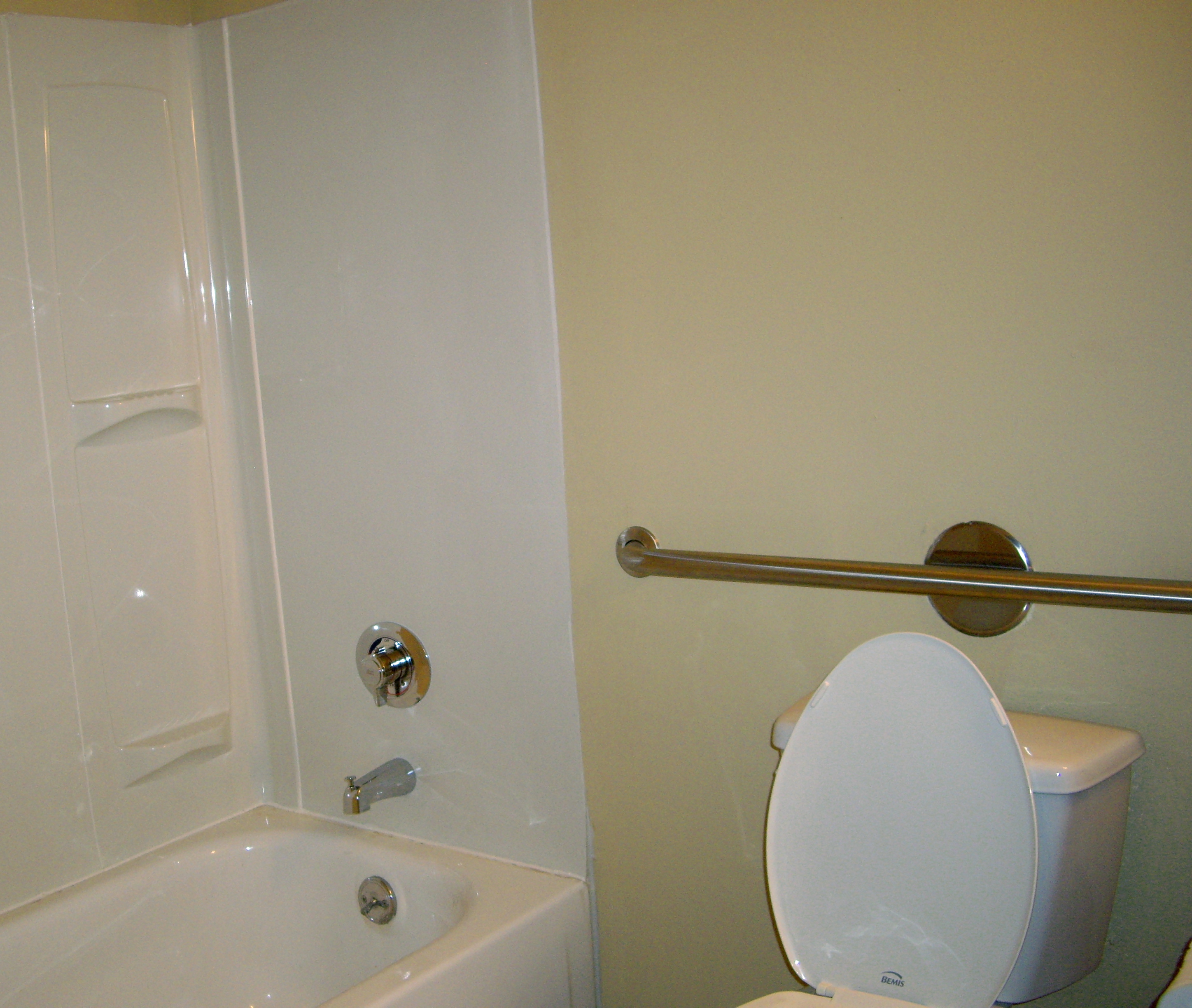
The best grab bar for an older adult is a permanent, properly anchored bar in the exact place their hand already reaches during the risky movement. That may sound less exciting than a product roundup, but it is the difference between real support and bathroom decoration.
For most families, start with a wall-mounted stainless steel grab bar installed into studs, blocking, masonry, or an approved mounting system. Add specialty bars only when the bathroom layout creates a specific problem, such as stepping over a tub wall, rising from the toilet, or needing a handhold beside a narrow doorway.
This guide focuses on how to choose the best grab bars for seniors in real homes: showers, tubs, toilet areas, rentals, older tile bathrooms, and situations where a caregiver is trying to lower fall risk without turning the room into an institution.
Quick Shortlist by Situation
For everyday shower or tub support, choose a straight, wall-mounted grab bar with a textured or peened grip. A 16-, 18-, 24-, or 32-inch bar can often be placed to match wall studs, and the simple shape works for both balance and transfer support.
For stepping over a tub wall, consider a vertical or angled wall-mounted bar near the entry point. The goal is to give the person a stable handhold before the first foot leaves the floor and again as they step out wet.
For toilet transfers, compare a side-wall horizontal bar, a swing-up bar, or a toilet safety rail depending on wall location and space. A wall-mounted bar is usually strongest, but a rail around the toilet may help when there is no side wall close enough.
For renters or short-term recovery, a clamp-on tub rail or tension-mounted floor-to-ceiling pole may be safer than a suction bar, if it fits the layout and is installed exactly as directed. These are not equal substitutes for a permanent grab bar, but they can be useful temporary tools.
For suction grab bars, treat them as visual balance cues only. They may help someone remember where to place a hand lightly, but they should not be trusted for body weight, emergency catching, or getting in and out of the tub.
What Makes a Grab Bar Safe
A safe grab bar has three parts working together: the bar, the fasteners, and the wall behind it. A strong bar attached to weak drywall is not safe. A good-looking suction handle on glossy tile may feel reassuring until moisture, soap film, grout lines, or age weakens the seal.
Look for a bar designed for bathroom safety, not a towel bar or decorative handle. A true grab bar should have a comfortable diameter, rounded edges, corrosion-resistant material, and mounting hardware meant for the wall type. Many families choose stainless steel because it is durable, easy to clean, and widely available.
Grip matters. Smooth polished bars can be slippery with wet hands. A brushed, knurled, peened, or lightly textured surface gives more confidence without being abrasive. Avoid sharp ridges that could hurt fragile skin.
The bar should not rotate in its mounts, flex when pulled, or make noise under load. If any of those happen after installation, stop using it for support and have it checked.
Best Permanent Wall-Mounted Grab Bars
Permanent wall-mounted grab bars are the default best choice for most seniors. They can be installed in showers, tub surrounds, beside toilets, near bathroom entrances, and along short transfer paths. They are also the easiest category to match to the person's actual movement.
Choose length based on both placement and structure. A 16-inch bar often lines up with standard stud spacing. A 24-inch or 32-inch bar may give more useful reach in a shower or beside a tub. Longer is not automatically better if the extra length pushes the bar away from where the hand naturally lands.
For shower walls, many homes need a combination: one vertical bar near the entry and one horizontal or angled bar along the side wall. For tubs, families often need support at the step-in point and along the wall where the person stands or sits.
Professional installation is worth considering when the wall is tile, fiberglass, old plaster, masonry, or unclear behind the surface. The installer should be able to explain what the fasteners are anchored into and why that method is appropriate.
Best Grab Bars for Showers and Tubs
Shower and tub grab bars need to support movement when the person is wet, barefoot, and often turning in a confined space. That is why placement should follow the routine rather than a guess from the hallway.
Watch the person enter and exit while fully clothed and dry, or ask them to describe the exact motion if observation would feel intrusive. Where does the hand reach now? Do they grab the towel bar, shower door, faucet, soap dish, or wall edge? Those are clues about where a real grab bar may be needed.
A vertical bar near the tub or shower entry can help with stepping over a threshold. A horizontal bar along the side wall can help while standing, turning, or using a handheld shower. A lower bar may help someone using a shower chair, but it should not interfere with sitting, transfers, or controls.
Do not install a grab bar where it forces the person to twist awkwardly. A poorly placed bar can make movement less natural, especially for someone with one weak side, shoulder pain, Parkinson's symptoms, or a walker waiting outside the shower.
Best Grab Bars for Toilet Transfers
Toilet transfers are a different problem from shower balance. The person may need support lowering down, rising up, turning, or managing clothing. The best option depends on wall distance, toilet height, arm strength, and whether one side is weaker.
If there is a side wall close to the toilet, a horizontal wall-mounted grab bar is often the cleanest solution. It gives the person a predictable place to push or steady with one hand. Placement should match their reach from both seated and standing positions.
If there is no useful side wall, consider a toilet safety frame, floor-mounted support, or swing-up bar installed by someone who understands the wall and floor structure. Freestanding toilet frames can help some people, but they may shift, crowd the space, or interfere with cleaning.
Raised toilet seats and grab bars solve different problems. A raised seat can reduce the distance to stand, while a bar gives a handhold. Many families need both, but adding height without stable hand support can still leave the transfer unsafe.
Clamp-On, Tension, and Portable Options
Portable grab support is tempting because it avoids drilling. It can be useful, but it needs more skepticism than product listings usually invite.
Clamp-on tub rails attach to the side of a bathtub. They can help someone step over the tub wall, but only if the tub edge is compatible, the clamp is tightened correctly, and the rail does not damage or loosen the tub. They are not right for every fiberglass, curved, or fragile tub.
Tension-mounted poles run from floor to ceiling and can be useful near a toilet, bed, or bathroom entry. They depend on ceiling and floor strength, correct pressure, and routine checks. They should not be placed where the base creates a trip hazard.
Travel handles and temporary rails can help in hotels or short visits, but families should not confuse temporary convenience with a long-term safety plan. If the bathroom is used daily, permanent support is usually the better investment.
Why Suction Grab Bars Are Different
Suction grab bars are widely sold, easy to place, and easy to misunderstand. The problem is that suction depends on surface condition. Tile size, grout lines, texture, moisture, cleaning products, soap film, and slow seal loss all matter.
Use suction bars only for light steadying if the manufacturer allows it and the surface is appropriate. They should not be used to pull from sitting to standing, catch a slip, support body weight, or help someone step over a tub wall.
If a suction bar is already in the home, check whether the person is relying on it heavily. Many older adults do not distinguish between a lightly attached cue and a structural safety device. If they pull hard on it, replace it with a permanent option.
A simple rule helps: if falling would be the result if the bar released, do not use suction for that task.
Placement Matters More Than Brand
Families often ask which brand is best when the more important question is where the bar should go. A well-made grab bar in the wrong place will not be used. A perfectly placed bar that is poorly anchored can be dangerous.
For a shower, think in zones: entry, standing, turning, and sitting if a shower chair is used. For a toilet, think in movements: approach, turn, lower, rise, and steady while adjusting clothing. For a tub, think about the high-risk moment when one foot is inside and one foot is outside.
ADA public-accessibility standards are not a perfect blueprint for every private home, but they are useful reference points. They emphasize horizontal bars in consistent height ranges, enough wall clearance for gripping, non-rotating fittings, and structural strength. In a home, the person's height, reach, diagnosis, and layout still matter.
When possible, ask an occupational therapist, physical therapist, certified aging-in-place specialist, or experienced installer to mark placement before drilling. A ten-minute placement decision can shape years of safe or awkward use.
Questions to Ask an Installer
- What wall material are you mounting into?
- Will the bar be anchored into studs, blocking, masonry, or an approved hollow-wall mounting system?
- What weight or force rating does this installation method support?
- Can the bar be placed where the person actually reaches, or are we limited by studs?
- If studs do not line up, what mounting plate or backing option do you recommend?
- Will drilling affect tile, waterproofing, plumbing, or electrical lines?
- Can you install a vertical entry bar and a horizontal support bar if both are needed?
- How should we check the bar over time for looseness or corrosion?
- What warranty covers the product and the installation?
If an installer cannot explain the anchoring method, pause. Bathroom safety equipment should not depend on hope hidden behind a flange.
Product Features Worth Paying For
Pay for strong installation, appropriate length, corrosion resistance, and a grip surface the person likes. Those features affect daily use.
Concealed screws can make the bar look less institutional and easier to clean, but they should not hide a poor installation. Decorative finishes can help the bathroom feel less medical, but finish should come after grip, placement, and strength.
Fold-down or swing-up bars can be useful near toilets where space is tight or caregiver access matters. They need careful installation because they create leverage. They also need enough clearance so the bar does not crash into fixtures or block transfers.
Integrated shelf or toilet-paper-holder grab bars can reduce the "hospital bathroom" look, but families should be cautious. The support function must be real, not decorative. Check that the product is rated as a grab bar and can be anchored properly.
Choosing Length and Finish
For many bathrooms, length is partly a safety decision and partly an installation decision. A 16-inch bar may line up cleanly with two studs and work well as a compact handhold. A 24-inch or 32-inch bar can offer more reachable support along a shower wall, but only if it can be anchored correctly and does not interfere with controls, doors, or seating.
Finish should make the bar easy to see and easy to grip. A bar that visually blends into tile may look nicer, but contrast can help someone with low vision find it quickly. Matte or brushed finishes usually show water spots less than mirror-polished chrome and may feel less slippery to wet hands.
If the older adult dislikes the look of grab bars, show them options before buying. Many modern bars look more like bathroom hardware than medical equipment. Acceptance matters because the safest product is still useless if the person avoids touching it.
Common Buying Mistakes
The first mistake is buying a towel bar that looks sturdy. Towel bars are not designed for body support. They can rip out of the wall during the exact moment someone needs help.
The second mistake is installing one bar where three different movements happen. A bar that helps with showering may not help with getting over the tub wall. A toilet bar may not help with the path from the bedroom at night.
The third mistake is placing the bar for the caregiver instead of the older adult. The person using the bar should be able to reach it naturally, without twisting, leaning, or taking an extra risky step.
The fourth mistake is waiting until after a serious fall. Grab bars are easier to discuss as comfort and confidence upgrades than as punishment after an injury. Earlier installation can preserve independence instead of signaling decline.
When Grab Bars Are Not Enough
Grab bars help with hand support, but they do not fix every bathroom risk. If the floor is slick, the lighting is poor, the shower threshold is high, or the person is dizzy from medication, bars are only one part of the plan.
Consider a shower chair, handheld showerhead, non-slip bath mat, improved lighting, night lights, raised toilet seat, bedside commode, or transfer bench depending on the routine. A transfer bench can be more helpful than a bar when stepping over the tub wall is no longer safe.
Bring in medical or therapy help if there are repeated falls, sudden weakness, fainting, new confusion, severe pain, or a major change in walking. A grab bar can reduce risk during movement, but it does not explain why balance, strength, or judgment changed.
If the older adult cannot remember to use the bar, grabs unsafe fixtures instead, or needs hands-on help every time, the family may need supervision or a different bathing plan.
A Simple Test After Installation
Do not wait for the first shower to test the bar. After installation, have the older adult practice the movement fully clothed and dry. Check entry, turning, sitting if relevant, standing, and exiting.
Ask what feels natural and what still feels awkward. If the person says, "I still want to grab the door," the bar may be in the wrong place or a second bar may be needed. Watch for overreaching, twisting, or pulling from a weak angle.
Retest during the riskiest time of day. Nighttime bathroom trips, rushed mornings, and post-shower fatigue often reveal problems that a calm afternoon test misses.
Add the bar to the household maintenance routine. Every few months, check for movement, rust, cracked tile, loose flanges, or water damage. A grab bar should feel boringly solid every time.
Bottom Line
For most seniors, the best grab bar is a permanent wall-mounted bar with a comfortable grip, installed into real structure, placed where the risky movement actually happens. Start with the shower or tub entry and the toilet transfer, because those are the places where wet surfaces, turning, and rising from sitting often collide.
Use suction bars only as light cues, not true safety supports. Choose portable options carefully for rentals or recovery, and do not let convenience outrank anchoring. When the wall or placement is uncertain, pay for skilled installation or a home safety professional's input.
A good grab bar should make the bathroom feel calmer within a day: fewer improvised handholds, less rushing, and more confidence during the movements that used to make everyone hold their breath.