
best
Best TV Listening Devices
Families comparing TV Listening Devices need a tighter shortlist, simpler criteria, and buying guidance rooted in real home use.
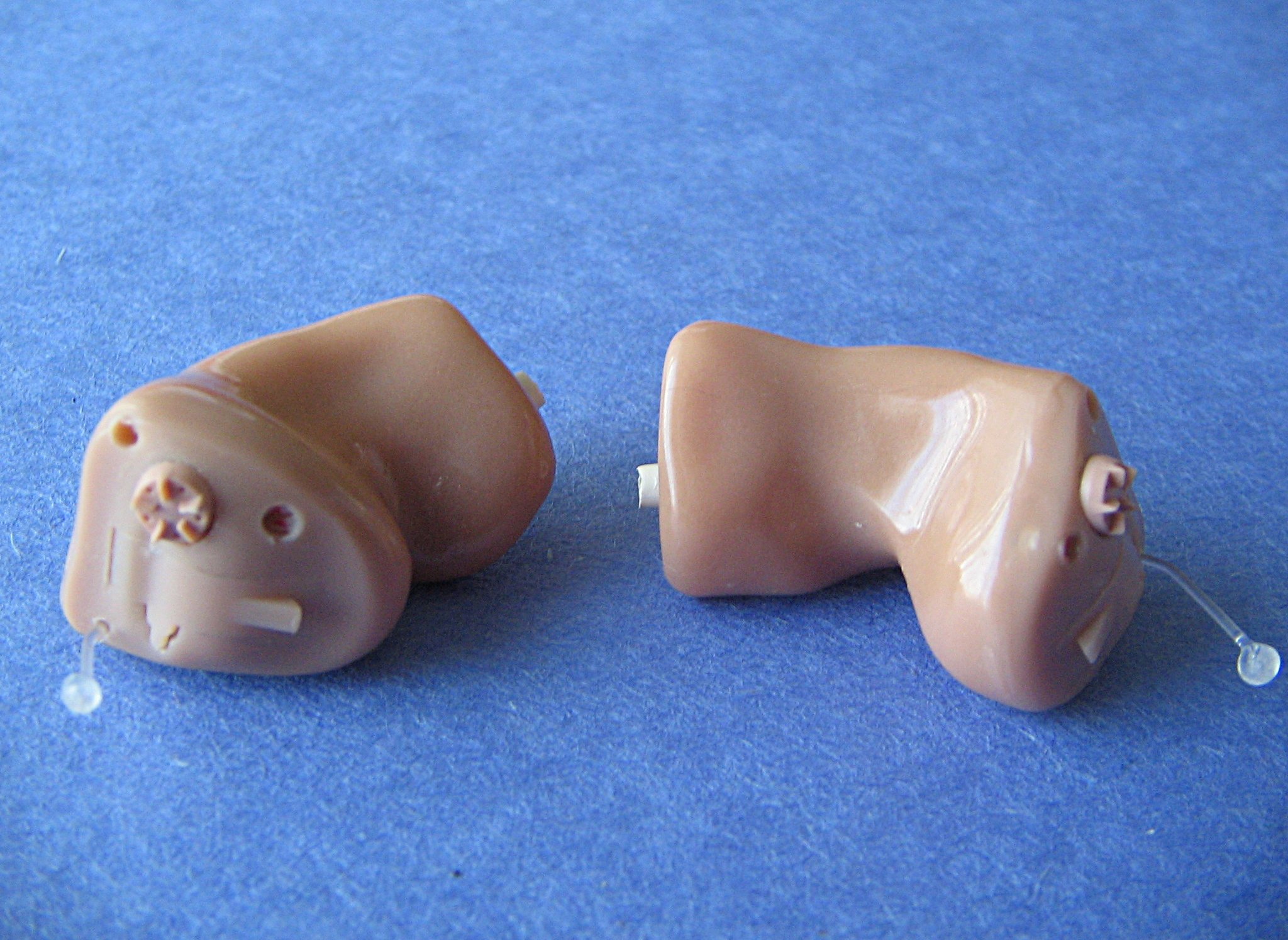
The best TV listening device is the one an older adult can operate every evening without turning television time into a technical support call. For most people who want private, clearer sound, our best overall pick is the **Avantree HT5009 Plus**. Its over-ear headphones have large controls, a charging dock, a dialogue-focused mode, and a transmitter that connects to common optical and analog TV outputs. The **Avantree Ensemble** is our simpler value pick, while the **Medley Clear** suits people who prefer lightweight in-ear buds.
Headphones are not the only answer. The **ZVOX AccuVoice AV157** improves dialogue for everyone in the room, and the **Sony SRS-NS7** rests on the shoulders for open-ear listening. People who already wear compatible hearing aids should first ask their audiologist or manufacturer about a dedicated TV streamer; sending sound directly into devices already fitted for the listener can be more useful than adding another headset.
We compared current manufacturer pages, manuals, connection options, controls, charging routines, speech settings, published battery life, and direct prices. We did not perform laboratory measurements or long-term home testing, so these rankings reflect documented features and practical caregiver tradeoffs rather than hands-on performance claims. Prices and availability were checked August 29, 2026 and can change.
Quick Comparison
| Device | Best for | Connection | Published price checked | Main compromise | | --- | --- | --- | --- | --- | | Avantree HT5009 Plus | Best overall private listening | Optical or 3.5 mm AUX transmitter; direct Bluetooth on some TVs | $139.99 | Over-ear fit can feel warm; not hearing-aid-level amplification | | Avantree Ensemble | Straightforward value | Optical or 3.5 mm AUX transmitter | $109.99 | No soundbar pass-through | | Avantree Medley Clear | Lightweight in-ear listening | Optical, 3.5 mm AUX, or compatible TV Bluetooth | $109.99 | Ear tips require dexterity and a comfortable seal | | ZVOX AccuVoice AV157 | Clearer dialogue for the whole room | Optical or 3.5 mm analog | $199.99 sale price | No private listening | | Sony SRS-NS7 | Open-ear wearable sound | Included optical/USB transmitter; Bluetooth for other devices | $299.99 | Premium price; best spatial features favor compatible Sony TVs | | Hearing-aid TV streamer | Existing hearing-aid users | Brand-specific streamer | Varies by hearing-aid system | Compatibility is exact and model dependent |
Do not buy from this table alone. First inspect the TV’s physical output ports and audio menus. A transmitter that accepts optical audio still may require the television’s digital output to be changed from Dolby or “Auto” to PCM. HDMI ARC is not the same connector as optical, and a USB port commonly supplies power rather than audio. Also determine whether the family needs the TV speakers or soundbar to keep playing while the listener uses the device.
1. Avantree HT5009 Plus: Best Overall
The HT5009 Plus offers the most balanced package for an older adult who wants a personal volume level without replacing the room’s television audio system. The kit includes over-ear headphones, a transmitter, and a dock. The headphones have physical volume buttons and an EQ control that switches between balanced and Clear Voice modes. Avantree publishes a 50-hour average battery life, a 206-gram headphone weight, optical and 3.5 mm inputs, and support for two receivers.
The transmitter is the important part. Connecting it by optical or AUX avoids relying on the TV’s Bluetooth implementation and keeps pairing within one system. Optical and AUX pass-through outputs can feed a soundbar or powered speaker using the same connection type, allowing another viewer to listen at the room volume while the headphone user adjusts independently. Avantree warns that optical setups need PCM output and that this product is intended to improve TV clarity, not provide hearing-aid-level amplification. Review those limitations and current specifications on the HT5009 Plus product page.
The dock gives the headphones a visible home, but charging still depends on placing them correctly. Over-ear cups can trap heat, press against eyeglass arms, or interfere with behind-the-ear hearing aids. Have the intended user try a similar 206-gram over-ear design if fit is uncertain. Confirm they can find the power, volume, and EQ controls by touch without removing the headset.
**Choose it if:** private listening, dialogue emphasis, long battery life, and soundbar pass-through matter; the TV has optical or AUX output; and the user tolerates over-ear headphones.
**Skip it if:** the listener needs medical hearing support, dislikes enclosed ears, cannot manage the dock and switches, or has an HDMI-only setup and does not want an additional extractor.
2. Avantree Ensemble: Best Value
The Ensemble uses the same practical formula—a pre-paired over-ear headset and a combined transmitter/charging dock—but trims features and price. Avantree listed it at $109.99 when checked. It accepts optical or 3.5 mm AUX audio, uses a docking cradle, and is promoted for independent volume and clearer speech with low-latency transmitter use. This is enough for a one-listener household where the TV has the right output and nobody needs to share that output with a soundbar.
Its simplicity is the appeal. The listener does not have to navigate a phone app, search a Bluetooth menu every night, or plug a cable into the headphones. Returning the headset to the base charges it. Manufacturer compatibility notes and current details are available on the Avantree Ensemble page.
The missing pass-through is a meaningful limitation. If optical output currently feeds a soundbar, the Ensemble cannot simply sit between them. Some televisions can play through multiple outputs, but others mute the speakers when an external output is selected. Check the exact TV manual before assuming both listeners will hear audio. The manufacturer also states that the Ensemble is not intended for severe hearing loss.
**Choose it if:** one person wants an uncomplicated over-ear system, the TV has a free compatible output, and the lower price matters more than expanded routing options.
**Skip it if:** a soundbar must share the optical or analog port, two receivers are needed, or the listener needs stronger hearing-specific processing.
3. Avantree Medley Clear: Best In-Ear Option
The Medley Clear replaces full-size earcups with neckband-style earbuds weighing a published 53 grams. The kit includes multiple ear-tip sizes, an optical/AUX transmitter and charging dock, built-in controls, and a clear-dialogue mode. Avantree lists 20 hours of playtime in the specifications, a range of up to 100 feet for the transmitter, and a $109.99 direct price. Its pass-through ports can preserve a soundbar connection, and a second compatible headphone can be paired.
This format works well for someone who finds a headband heavy or hot. The neckband keeps the two earpieces together and may be easier to locate than separate true-wireless buds. The system can also connect directly to a compatible Bluetooth TV, though using the included transmitter is generally the more predictable route for delay and reconnection. See the inputs, package contents, and current claims on the Medley Clear product page.
In-ear comfort is personal. A loose tip reduces clarity; a tip that is too large can hurt. Small controls, flexible cables, and ear-tip cleaning require more dexterity than large over-ear buttons. Earbuds can conflict with in-ear hearing aids and may be inappropriate for a person who repeatedly misplaces small components. Reduced awareness of the room is another concern: the listener still needs to perceive a smoke alarm, doorbell, caregiver, or other urgent cue, whether through the device or another alerting system.
**Choose it if:** the user prefers light earbuds, can insert and clean them, and wants pass-through audio at a moderate price.
**Skip it if:** there is poor hand dexterity, ear-canal discomfort, a tendency to lose accessories, or a need to hear the surrounding room continuously.
4. ZVOX AccuVoice AV157: Best for Shared Listening
The AV157 is a compact speaker rather than a wearable device. It sits near the television and offers 12 dialogue-enhancement levels: six AccuVoice settings and six stronger SuperVoice settings intended to reduce competing background sound. ZVOX also includes output leveling for abrupt volume changes, a large-button remote, optical and 3.5 mm inputs, Dolby Digital decoding, and a 17-inch-wide cabinet. The direct page showed a $199.99 sale price when reviewed.
A dialogue speaker is often a better social solution when two people watch together and neither wants headphones. Everyone hears the same program, conversation between viewers remains natural, and there is nothing to charge or wear. Progressive boost levels let a family choose the lowest setting that makes speech comfortable rather than making every sound louder. Current specifications and availability appear on the ZVOX AV157 page.
It does not create independent volume. If one viewer wants much louder sound and another needs quiet, a speaker cannot satisfy both. Stronger voice processing can also make music and effects sound less natural. The remote becomes another object to learn and keep nearby, and an optical connection may replace an existing soundbar unless the TV supports another routing method.
**Choose it if:** the goal is clearer dialogue for everyone, the listener dislikes wearables, and room audio will not disturb a sleeping partner or neighbor.
**Skip it if:** private volume is essential, the room already has a sound system that cannot share outputs, or the user needs sound delivered directly to the ears.
5. Sony SRS-NS7: Best Open-Ear Wearable
Sony’s SRS-NS7 is a neckband speaker that rests on the shoulders and directs sound upward. It leaves the ears open, so the wearer can converse and remain aware of nearby activity. Sony publishes a weight of about 12 ounces, battery life of approximately 12 hours, IPX4 splash resistance, USB-C charging, and a 98-foot maximum Bluetooth communication range under specified conditions. The included WLA-NS7 transmitter connects to a TV with optical and USB cables. Sony listed the system at $299.99.
This is a comfort-led choice, not the strongest value. It avoids pressure in or around the ears and can feel less isolating than headphones. The product also pairs with phones and computers. With supported Sony BRAVIA XR televisions, its 360 Spatial Sound features add personalized virtual surround; other TVs do not receive the same feature set. Review compatibility and current pricing on Sony’s SRS-NS7 page.
Because the speakers remain open, sound can be audible to a nearby spouse, especially at higher levels. Twelve ounces across the shoulders may be tiring for someone with neck pain, fragile skin, or limited head control. The flexible wearable can also shift when a person reclines against a high-backed chair.
**Choose it if:** open ears and room awareness matter more than maximum isolation, the user accepts shoulder weight, and the budget accommodates the design.
**Skip it if:** there is cervical pain, very soft seating pushes the unit out of position, another person needs near-silence, or you would pay mainly for Sony-specific spatial features without a compatible TV.
6. A Compatible Hearing-Aid TV Streamer: Best for Current Hearing-Aid Users
Before placing headphones over hearing aids, ask whether the aids support a manufacturer-matched TV accessory. A TV streamer takes a clean signal from the television and sends it wirelessly to compatible hearing aids. The hearing aids can then apply the listener’s fitted frequency response while providing a personal mix of streamed TV and room microphones. Depending on the system, a spouse may continue using the television speaker at a separate volume.
Compatibility must be verified by exact hearing-aid family and generation—not merely brand. A current accessory from the same manufacturer may not work with older aids. Ask the audiologist or hearing-aid support team four questions: Does this streamer support both devices’ exact model numbers? Can room microphones stay active? Can the TV speaker or soundbar play simultaneously? Who will pair and demonstrate the system in the actual home?
This route can cost more than consumer headphones, but it avoids stacking earcups over devices and may provide better speech audibility for the fitted loss. It also keeps alert awareness configurable. Do not buy a nonreturnable streamer based only on a marketplace compatibility list.
**Choose it if:** the listener already wears compatible aids comfortably and wants television audio integrated into the fitted system.
**Skip it if:** compatibility cannot be confirmed, the aids are rarely worn, or the listener wants a simple product usable by several household members.
Choose the Form Factor Before the Brand
Over-ear headphones
Over-ear models give private sound, large controls, and good passive isolation. They are often easiest to put on. Check pressure around glasses, hearing aids, tender skin, and the jaw. A person prone to overheating may stop using them during long programs.
In-ear buds or under-chin receivers
These are light and deliver sound close to the eardrum, but fit and hygiene matter. Under-chin stethoscope-style receivers can be easy to hang around the neck when interrupted, although the arms may press in the canals. Either design needs spare tips that remain available.
Neckband speakers
Open-ear speakers preserve conversation and environmental awareness. They provide less privacy and can leak sound. Evaluate shoulder comfort in the chair the person actually uses, not while standing briefly in a store.
Dialogue speakers and soundbars
These require nothing to wear or charge. They help a household that agrees on room volume, but do not create a private channel. Prioritize adjustable dialogue processing and a remote the user can read over cinematic features they will never change.
Hearing-aid streamers
These are the most individualized option when compatibility is confirmed. Pairing and daily controls can be simple after professional setup, yet replacements and upgrades may lock the user into a hearing-aid ecosystem.
Check the TV Before Ordering
Use a flashlight and photograph the TV’s connection panel. Look specifically for **Digital Audio Out (Optical/TOSLINK)**, a **3.5 mm headphone/audio out** jack, red-and-white **RCA audio out**, or **HDMI ARC/eARC**. Similar-looking inputs do not send sound out. The product manual—not the shape alone—settles the question.
Optical is common and electrically quiet, but many consumer transmitters accept only two-channel PCM. If there is no sound after connection, open the TV audio menu and change Digital Audio Format from Dolby, Bitstream, or Auto to PCM/Stereo. This setting can affect a soundbar, so document the original value.
A headphone jack may mute built-in speakers. Some TVs expose a “simultaneous audio,” “multi-output audio,” or accessibility option; others cannot play both without an external device that has pass-through. RCA jacks are sometimes inputs rather than outputs. USB frequently powers a dock but does not send compatible TV audio.
If the TV has only HDMI ARC/eARC, select a system designed for that connection or use a compatible audio extractor. Extractors add power supplies, cables, remote-control behavior, and failure points, so they are not automatically caregiver-friendly. Confirm support for the TV’s resolution, refresh rate, HDMI control, and audio format before inserting anything into the video path.
The Five-Minute Home Trial
Keep packaging and confirm the return window before setup. Then test the device with the intended user, not only the family member who installs it.
1. Start from everything powered off and ask the user to begin watching without prompts. Note every step that requires help. 2. Play a news segment, a drama with background music, and a familiar program. Speech settings can behave differently across content. 3. Watch mouths for delay. A slight lag that an installer ignores may make dialogue exhausting. 4. Confirm the other viewer’s speaker or soundbar still works at an independent volume if that is part of the plan. 5. Walk to the normal chair, kitchen, and bathroom doorway to expose dropouts within the real home. 6. Wear the device for at least 30 minutes. Check heat, pressure, slipping, neck strain, and interaction with glasses or hearing aids. 7. Test an alarm, doorbell, and caregiver calling from nearby. Add visual, vibrating, or connected alerts if private audio masks important signals. 8. Ask the user to stop, charge, and restart the system. A product that works only when the installer is present is not the best fit.
Hearing Safety and When to Seek Help
A TV listening device solves one listening situation; it does not diagnose hearing loss or replace a hearing aid. The FDA distinguishes hearing aids, which are medical devices intended to compensate for hearing impairment, from general consumer amplification products. The agency also notes that assistive listening devices can improve sound from a distance or in poor acoustics. Read the FDA overview of hearing devices before assuming two products with similar marketing serve the same purpose.
Use the lowest volume that makes dialogue understandable. More volume is not always more clarity, and a strong left-right imbalance should not be “fixed” indefinitely by turning one side up. Arrange a hearing evaluation when TV difficulty is persistent, conversation is also becoming hard, or the listener needs levels that others find extreme. An audiologist can check hearing, fit, speech understanding, and compatibility with assistive technology.
Prompt medical evaluation is appropriate for sudden or rapidly worsening hearing, hearing loss mainly in one ear, ear pain or drainage, marked dizziness, or other new ear symptoms. The FDA’s hearing-aid guidance highlights these concerns because hearing change can sometimes have a treatable medical cause.
Common Buying Mistakes
- **Buying Bluetooth headphones without checking delay.** A dedicated, matched transmitter is generally more predictable than an unknown TV/headphone pairing.
- **Assuming optical means plug-and-play.** The transmitter may stay silent until the TV is set to PCM.
- **Forgetting the second viewer.** A device can accidentally mute the soundbar or force everyone to use the same output.
- **Choosing maximum amplification over speech processing.** Dialogue modes and a comfortable seal can help more than raw loudness.
- **Ignoring charging behavior.** If the dock has tiny contact points or no obvious indicator, the system may be empty every evening.
- **Covering hearing aids without a fit test.** Headphones can cause feedback, pressure, or awkward microphone placement.
- **Treating advertised range as in-home range.** Walls, wireless congestion, body position, and transmitter placement change performance.
- **Overlooking replaceable parts.** Ear pads, tips, cables, batteries, and replacement receivers determine whether the purchase survives normal wear.
Frequently Asked Questions
Can TV headphones and the speakers work at the same time?
Sometimes. It depends on the TV’s audio settings and the listening system. A transmitter with optical or AUX pass-through can feed a soundbar while serving headphones, but the connection type usually needs to match on both sides. Test independent volume control before deciding the setup is complete.
Are RF headphones better than Bluetooth for television?
Neither label guarantees a better product. A purpose-built RF or proprietary transmitter can provide stable, low-delay audio without TV pairing menus. A matched low-latency Bluetooth transmitter can do the same while supporting other compatible receivers. Compare the complete transmitter/headphone system, not the radio name.
Will a TV listening device help severe hearing loss?
Consumer TV headphones may be insufficient, and manufacturers commonly say so. An audiologist can determine whether appropriately fitted hearing aids, a compatible streamer, captions, or another assistive listening system better matches the hearing profile. Captions remain useful even with amplification because they provide information sound processing cannot restore.
What is the easiest type for limited dexterity?
Large over-ear headphones with physical switches and a drop-in dock are often easier than separate earbuds. Ease still depends on grip, vision, shoulder movement, and whether the dock makes reliable contact. Observe the user complete the entire start-and-charge routine.
Should we buy a device or a new soundbar first?
Choose a dialogue speaker when everyone wants clearer room audio. Choose a personal receiver when one person needs a different volume or the household must stay quiet. If the user already has hearing aids, check streamer compatibility before buying either.
Bottom Line
The Avantree HT5009 Plus is the strongest all-around choice for private TV listening because it combines dialogue processing, physical controls, long published battery life, a dock, two-receiver support, and soundbar pass-through. The Ensemble saves money in a simpler one-listener setup, while the Medley Clear reduces weight for people comfortable with earbuds. Choose the ZVOX AV157 when the entire room wants clearer speech and the Sony SRS-NS7 when open ears matter enough to justify the premium.
Before spending anything, verify the television output, PCM requirement, simultaneous-speaker behavior, fit, and charging routine. For someone already using hearing aids—or anyone whose hearing difficulty extends beyond television—include an audiologist in the decision. The winning device should make the program easier to follow without isolating the listener from the home or requiring a caregiver to reconnect it each night.