
scenario
Cant Hear TV Clearly
Cant Hear TV Clearly is a common turning point for families. This page should help readers size up the situation quickly and move to the right next step.
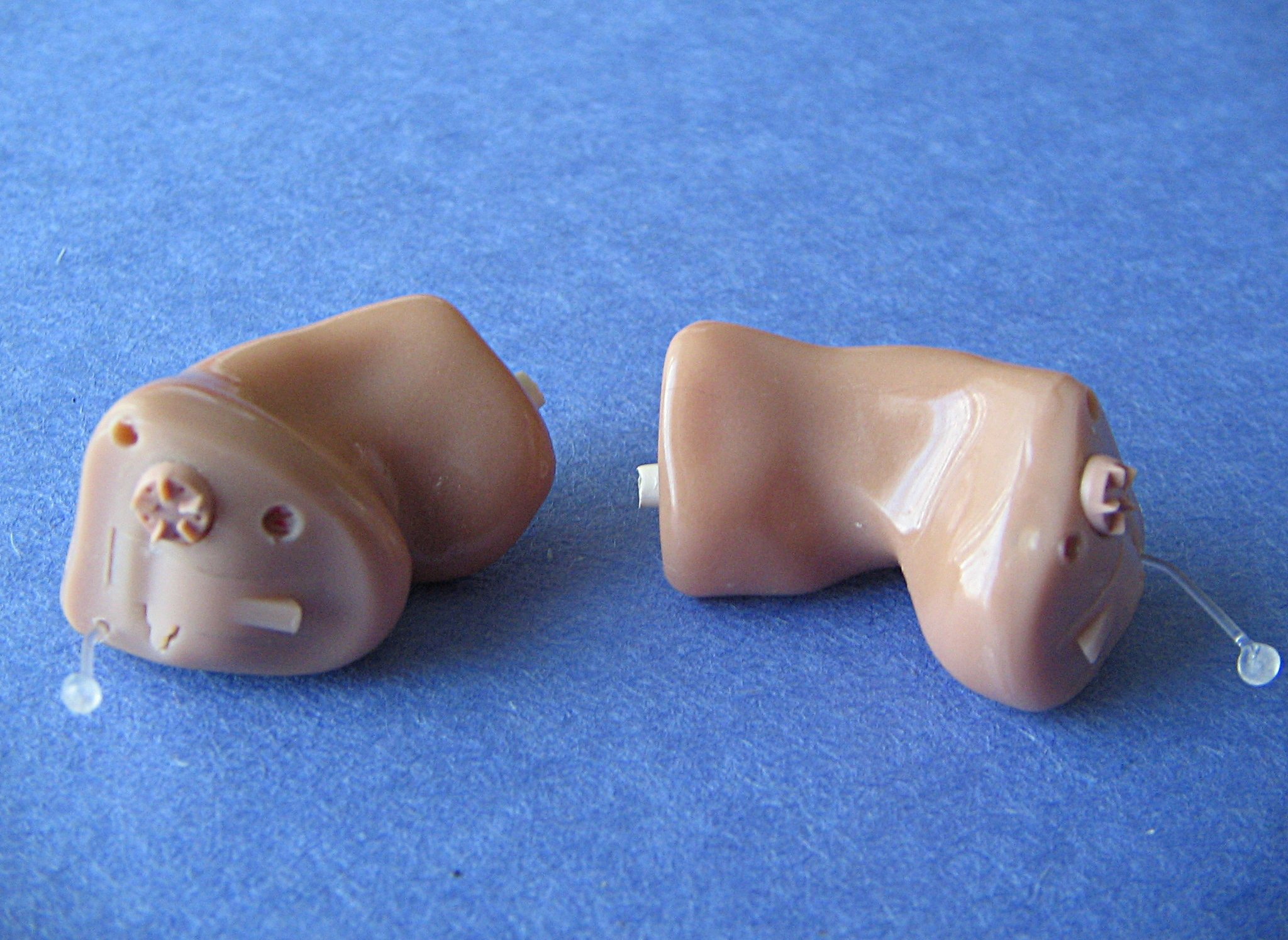
When an older adult cannot hear the TV clearly, the problem rarely stays on the screen. The volume creeps up, other people leave the room, conversations during shows become frustrating, and the person may miss emergency alerts, phone calls, or doorbells because the television is covering everything else. Families often notice the TV issue before the older adult is ready to talk about hearing loss.
This guide is for families who need a calm way to sort out what is happening and what to try first. The right answer might be a TV setting, a better speaker, headphones, hearing aids, captions, or a hearing evaluation. The best first step is to understand whether the issue is volume, speech clarity, background noise, device setup, or untreated hearing loss.
What "Can't Hear the TV" Usually Means
Start by asking what exactly is hard to hear. Some people hear music and explosions well but cannot understand dialogue. Others hear better when the room is quiet but lose the thread when a dishwasher, fan, or family conversation is nearby. Some can hear one channel clearly and struggle with another because movies, sports, news, and streaming apps mix sound differently.
These details matter. Turning up the volume helps if everything is too quiet. It does little when speech is muddy, accents are hard to follow, or background music overpowers dialogue. A parent who says "the actors mumble" may need more speech clarity, not just more loudness.
Watch one familiar show together and note what happens. Does the person ask for repetition during dialogue? Do they lean forward? Do they read lips? Do they miss jokes but react to music? Do they hear better from one chair or one ear? This short observation often points to a more useful fix than another argument about volume.
Make the TV Easier Before Buying Anything
Check the simplest settings first. Many TVs have sound modes such as speech, clear voice, standard, movie, or night mode. Speech or clear voice settings may make dialogue easier by reducing bass and lifting voices. Night mode can reduce sudden loud effects, which helps when a person raises the volume for dialogue and then gets blasted by music or commercials.
Turn on captions, even if no one thinks they need them. Captions reduce listening strain and make it easier to follow names, places, and quiet speech. For some families, captions are the least expensive and least stigmatizing fix because they do not require the older adult to wear or charge anything.
Also look at room setup. A TV across a large room, a chair far off to the side, hard floors, high ceilings, and competing appliances all make speech harder to understand. Moving the favorite chair closer, lowering background noise, adding soft furnishings, or angling a speaker toward the listener can make a noticeable difference.
When a Soundbar Helps
A soundbar can help when the TV speakers are weak, rear-facing, or pointed away from the listener. Many modern TVs are thin enough that their built-in speakers do not project speech well. A simple soundbar placed under the screen can bring voices forward and make the sound less tinny.
Look for a model with clear dialogue, voice enhancement, or center-channel emphasis. Families do not need a theater-style surround system for this problem. In fact, complex systems with multiple remotes can create more frustration. The goal is better speech from the same screen, with controls the older adult can actually use.
A soundbar is less likely to solve the problem if the person also struggles in restaurants, on the phone, at family gatherings, or when someone speaks from another room. In that case, the TV may be revealing a broader hearing issue. The soundbar may still help, but it should not replace a hearing check.
When TV Headphones or Listening Devices Help
TV listening devices send sound directly from the television to headphones, earbuds, or a small receiver. They can be useful when one person needs the TV much louder than everyone else, or when the listener understands better with sound delivered close to both ears.
Choose the style based on comfort and routine. Over-ear headphones are easy to see and hard to lose, but they may feel warm or interfere with glasses. Earbuds are lighter but can be fiddly for hands with arthritis. A neckloop or pendant receiver may work well for someone who already uses compatible hearing aids. Some devices let the TV volume stay normal for the room while the listener controls their own volume.
Pay attention to charging and setup. A device that needs daily charging, tiny buttons, or a pairing sequence may fail if the person watches TV independently and dislikes troubleshooting. A charging dock near the favorite chair and one clearly labeled power button can matter as much as sound quality.
Where Hearing Aids Fit
Hearing aids are not just for the TV. They are most useful when the person has trouble across daily life: conversation, phone calls, appointments, group meals, doorbells, alarms, and television. If the TV is the only complaint, a TV-specific device may be a reasonable first experiment. If the TV is one of several signs, schedule a hearing evaluation.
Some hearing aids can stream TV audio through an accessory or Bluetooth connection. That can be excellent when it works, but it may require compatible devices, app setup, and comfort with charging. Ask the hearing professional to demonstrate the TV setup with the older adult present, not only to a family caregiver.
Do not assume hearing aids will make every show perfectly clear. They can improve access to sound, but TV dialogue is often mixed with music, effects, and accents. Captions, TV streamers, and better room sound may still be part of the final setup.
Watch for Safety Signals Beyond the TV
The TV problem can be a clue that other home alerts are being missed. Ask whether the person hears the phone, doorbell, smoke alarm, oven timer, medication alarm, and someone calling from another room. If the television has to be very loud, it may mask those alerts even further.
Consider visual or vibrating alerts when important sounds are missed. Doorbell flashers, amplified phones, vibrating alarm clocks, and smoke alarms with strobe or bed-shaker options may be worth discussing, especially for someone who lives alone or sleeps through alarms.
This is also a good moment to review emergency routines. If a parent cannot hear a call from another room or misses a door knock, make sure emergency contacts, medical alert plans, and check-in routines do not depend entirely on hearing a distant sound.
A Practical Step-by-Step Plan
- Watch one familiar show together and write down whether the issue is volume, dialogue clarity, accents, background music, or competing room noise.
- Turn on captions and try the TV's speech, clear voice, or night sound mode.
- Reduce room noise during viewing and move the main chair closer or more directly in front of the TV.
- If built-in speakers are weak, try a simple soundbar with dialogue enhancement.
- If the volume bothers others, compare TV headphones, earbuds, or a dedicated listening device.
- If hearing problems show up outside television, schedule a hearing evaluation rather than treating the TV as a separate annoyance.
- Review home alerts if the TV volume is high enough to cover the phone, doorbell, or alarms.
Test one change at a time for several days. If captions and a sound mode solve most of the problem, you may not need equipment right away. If nothing changes, that is useful evidence for a hearing appointment or a more targeted device.
How to Talk About It Without Starting a Fight
TV volume can become a daily argument because everyone experiences it differently. The older adult may feel accused or embarrassed. Other people may feel trapped by noise they cannot escape. Start with comfort, not blame.
Try saying, "I want you to be able to enjoy your shows without working so hard to hear them. Can we try captions and a voice setting tonight?" That lands better than "The TV is too loud again." If other household members are affected, name the shared goal: the listener gets clearer sound, and the room volume stays comfortable.
Offer choices. Some people will accept captions before headphones. Others dislike captions but enjoy a headset because it feels private. A parent who refuses hearing aids may still accept a TV listener as a practical tool for a favorite program.
Common Mistakes
Do not buy the most complicated audio system first. More speakers, more remotes, and more settings can make daily use harder. Start with the fewest moving parts that address the exact problem.
Do not assume louder is clearer. If speech is muddy, increased volume may make music and effects more irritating without improving understanding. Dialogue enhancement, direct listening, captions, or hearing care may be more effective.
Do not ignore one-sided hearing changes, sudden hearing loss, ear pain, drainage, dizziness, or a rapid decline. Those concerns should be discussed with a clinician promptly. A gradual TV issue is common; a sudden medical change is different.
Common Questions
Are captions enough?
Captions may be enough when the person mostly misses names, quiet dialogue, or fast speech and is comfortable reading while watching. They are also a good backup even when using a soundbar, TV listener, or hearing aids.
Should we try a soundbar or headphones first?
Try a soundbar first when everyone agrees the TV speakers sound weak and the room volume is not the main conflict. Try headphones or a TV listening device first when one person needs much louder sound than everyone else, or when privacy and individual volume control matter most.
When is it time for a hearing test?
Schedule a hearing test if the person also struggles with conversation, phone calls, appointments, group meals, alarms, or doorbells. Also consider an evaluation when TV fixes help only a little or the person keeps raising the volume over time.
What if my parent refuses hearing aids?
Start with the problem they care about. A TV listening device, captions, or a better speaker may feel less threatening than hearing aids. If those changes help, they can build confidence. If they do not, you have a concrete reason to revisit hearing care.
What Success Looks Like
A good setup makes watching TV less effortful without making the rest of the household miserable. The older adult can follow dialogue, the volume is not covering important alerts, and the solution is simple enough to use without repeated troubleshooting.
Success may be a combination: captions on by default, a clearer sound mode, a better speaker, and a plan for a hearing check if other situations remain hard. The best solution is the one the person will actually use on an ordinary evening, when no one is standing nearby to manage the remote.