
best
Best Rollators
Families comparing Rollators need a tighter shortlist, simpler criteria, and buying guidance rooted in real home use.
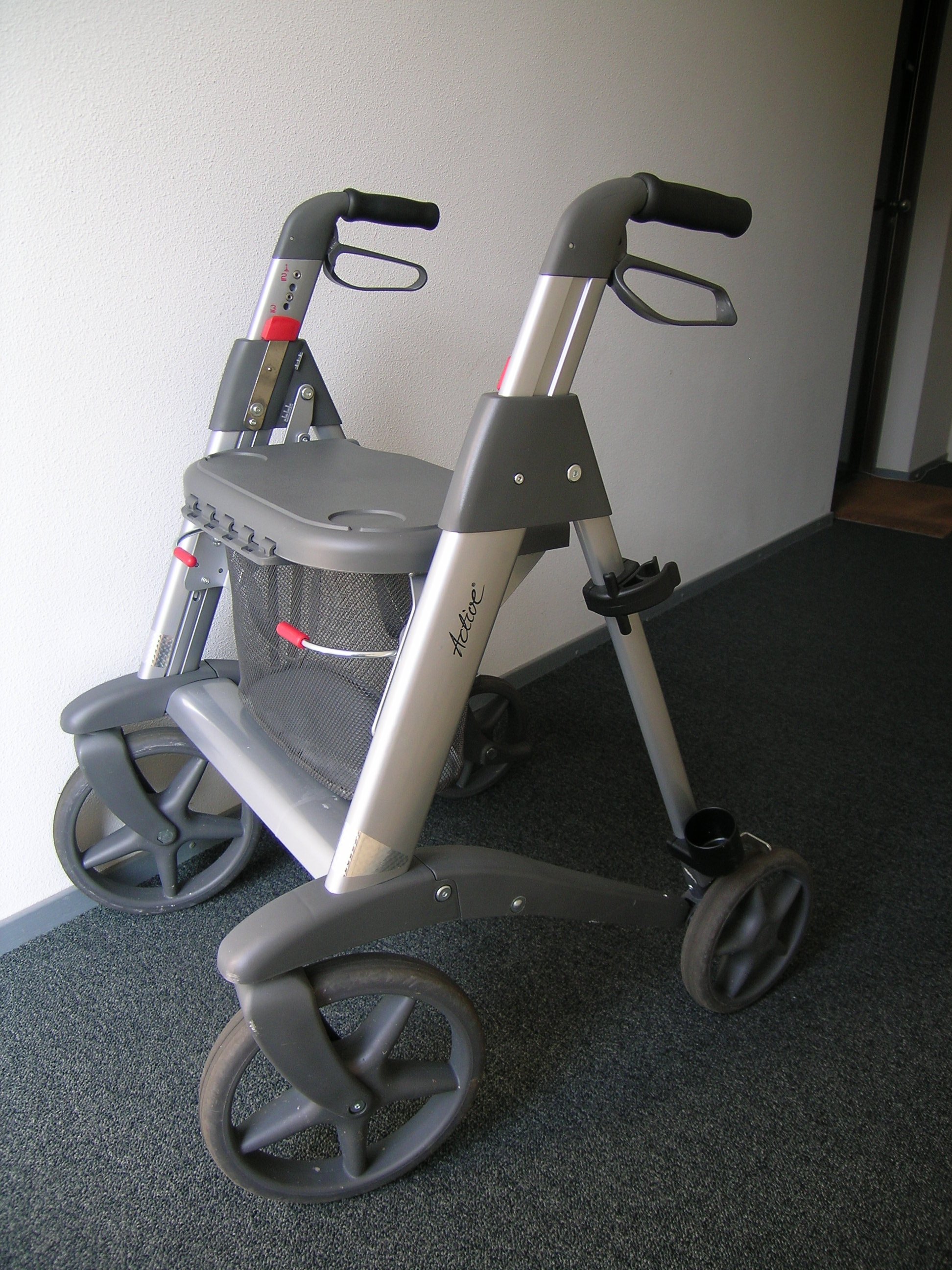
The best rollator is the one that fits the user's body, brakes reliably in their hands, clears the narrowest doorway at home, and is light enough for whoever loads it into the car. Those practical details matter more than color, cup holders, or a long accessory list.
For many older adults, the Drive Medical Nitro is a strong all-around starting point because it balances large wheels, an 18-pound frame, a seat, and widely available parts. The Medline Empower is better when adjustable seat height and a generous padded seat matter. The byACRE Carbon Ultralight is our premium travel pick, the Stander Wonder Rollator is especially compact when folded, and the Rollz Motion 2.1 is the specialized choice for someone who sometimes needs to be pushed in transport-chair mode.
A rollator is not automatically safer than a standard walker. Four wheels make it easier to keep moving, but they also mean the device can roll away if the user cannot control the hand brakes or tends to push it too far ahead. A physical or occupational therapist can help determine the right mobility aid, set the handle height, and watch the person turn, sit, cross thresholds, and recover balance.
Prices and model details below were checked against manufacturer information in August 2026. Retail prices, colors, bundles, and availability change, so verify the exact model number before ordering.
Our Best Rollator Picks
| Pick | Best for | Product weight | Capacity | Main tradeoff | | --- | --- | ---: | ---: | --- | | Drive Medical Nitro Aluminum | Best overall for everyday indoor/outdoor use | 18 lb | 300 lb | Fixed 20.5-inch seat height on the standard model | | Medline Empower | Best adjustable comfort option | 23 lb | 300 lb | Heavier to lift into a vehicle | | byACRE Carbon Ultralight | Best lightweight travel rollator | 10.6 lb | 285 lb | $699 price and a relatively high seat | | Stander Wonder Rollator | Best compact-folding option | 14.5 lb | 250 lb | Fixed seat height and smaller 6-inch wheels | | Rollz Motion 2.1 | Best rollator/transport-chair combination | 25 lb plus 7.5-lb chair package | 275 lb | Expensive, heavy, and requires a companion in chair mode |
These are not interchangeable. Measure and test first, especially when the user is short or tall, has weak grip, needs substantial weight-bearing support, lives with one-sided weakness, or must negotiate slopes and uneven ground.
Best Overall: Drive Medical Nitro Aluminum Rollator
The Drive Medical Nitro Aluminum Rollator is a practical middle ground between a basic steel rollator and a premium carbon model. Its standard configuration weighs 18 pounds, supports up to 300 pounds, and uses large 10-inch front casters. The side-to-side fold keeps the frame relatively narrow and lets it stand when folded, which is convenient at restaurants and in entryways.
Brake cables run inside the frame, reducing snag points. The contoured back support is adjustable, and the storage bag stays accessible without hanging a heavy load from the handles. The standard model's handles adjust from 33.5 to 38.25 inches, the seat is 20.5 inches from the floor, and the frame is about 23 inches wide. Drive also makes hemi and tall variants, so families should not assume the standard model fits every height.
The Nitro's large wheels handle sidewalk seams and firm outdoor paths better than the small wheels on many low-cost rollators, but it is not an off-road device. Eighteen pounds may also be too much for an older spouse to lift into a high trunk. Ask the actual loader to try folding, gripping, and lifting a demonstration unit.
Choose the Nitro when the user wants one rollator for the home, appointments, paved walks, and shopping. Look elsewhere when the home has extremely tight spaces, the user needs an unusually low seat, or every pound matters during transport.
Best for Adjustable Comfort: Medline Empower
The Medline Empower Rollator prioritizes seating and everyday convenience. Its padded backrest flips position so the user can step farther into the frame at a counter or sit with support. The seat height adjusts from about 20 to 25 inches, handles adjust from 31 to 37 inches, and the width between handles is approximately 17.5 inches. Eight-inch wheels suit common indoor surfaces and maintained sidewalks.
The ability to adjust the seat is useful for people who struggle to rise from a low surface or whose feet do not rest securely when seated on a tall one. That does not replace an in-person fit: the user should be able to turn safely, lock both brakes, reach back, and lower onto the seat without the frame shifting.
At 23 pounds, the Empower is notably heavier than the Nitro, Wonder, or carbon models. That extra weight may feel stable during walking yet become the deciding problem at stairs or the car. Medline listed the standard Empower around $159.95 when checked, making it much less expensive than premium carbon and combination products.
Choose the Empower when rest breaks, seat comfort, and a more adjustable setup take priority over lifting weight. Do not choose it simply because it feels sturdy in a store if the family cannot transport it or it blocks the home's usual pathways.
Best Lightweight Rollator: byACRE Carbon Ultralight
The byACRE Carbon Ultralight weighs 10.6 pounds, nearly half the weight of many full-size aluminum or steel models. It folds side to side to 9.8 inches wide and uses 7.9-inch puncture-proof wheels. The manufacturer offers compact, regular, and wide tracks rather than forcing every user into one frame width.
Its maximum user weight is 285 pounds. Handle height spans 30.7 to 37.4 inches, but seat height is 22.4 inches on the compact model and 24 inches on regular and wide versions. That high seat can make standing easier for some taller adults but may leave a shorter person's feet unsupported. The backrest is an accessory rather than standard equipment, so include it in the budget if the user needs back support while resting.
The current $699 price is the clear drawback. Carbon fiber reduces lifting burden but does not guarantee a better clinical fit, easier braking, or safer control. A person who never loads the rollator or carries it upstairs may get little benefit from paying several hundred dollars to save seven or eight pounds.
Choose the Carbon Ultralight when frequent travel, car loading, or stairs make product weight a daily barrier and the seat dimensions fit. Keep the packaging during the trial period, test it on the user's real surfaces, and confirm that local service or replacement parts are available.
Best Compact Fold: Stander Wonder Rollator
The Stander Wonder Rollator, previously marketed as the EZ Fold-N-Go Rollator, weighs 14.5 pounds and collapses into a slim vertical bundle. Stander says the patented fold is three times smaller than an average rollator. That format is useful in a small car, crowded apartment, restaurant aisle, or closet where a conventional folded frame remains awkward.
The standard version is 26.5 inches wide, adjusts from 33 to 36 inches high, has a 22-inch fixed seat, and supports 250 pounds. A micro version lowers the handles to 27–30 inches and the seat to 17 inches for shorter users. This is a meaningful distinction: buying the standard version for a 5-foot user can place both handles and seat too high.
Its six-inch wheels favor smooth indoor floors and maintained pavement. They are easier to pack but less forgiving at cracked sidewalks, gravel, deep carpet transitions, and rough thresholds than larger wheels. The narrow resting seat is intended for short breaks, not prolonged sitting.
Choose the Wonder when storage and transport dimensions are the main obstacle and walking surfaces are predictable. Consider a larger-wheel rollator for outdoor routes, and measure the open width as well as the folded width—the device must still pass through the bathroom and bedroom doorways during use.
Best Rollator and Transport Chair: Rollz Motion 2.1
The Rollz Motion 2.1 converts from a four-wheel rollator into a transport chair with footrests and a push position for a companion. It solves a specific problem: someone can begin an outing on foot, then be pushed when fatigue or symptoms make continued walking unrealistic. A standard rollator seat must never be used this way.
The regular Motion supports 275 pounds, weighs 25 pounds as a rollator, and adds a 7.5-pound wheelchair package. It is 26⅜ inches wide and folds to about 12¼ inches wide. A small model offers lower seat and handle dimensions. The manufacturer price was $1,399 when checked.
This device requires planning. The user cannot propel it independently as a manual wheelchair, and a capable companion must operate it in chair mode. The combined weight is substantial for lifting. The family also needs to learn the conversion steps, footrest placement, parking brakes, and safe transfer sequence. Rollz states that the Motion is not designed for an occupied user during wheelchair-taxi transport.
Choose the Motion when variable endurance repeatedly cuts outings short and the same companion can safely push a transport chair. If the person needs independent wheelchair mobility, significant positioning support, or routine full-day seating, ask a mobility professional about a dedicated wheelchair instead.
When a Rollator Is the Wrong Aid
A rollator generally fits someone who can walk but benefits from continuous light support, a place to rest, or help carrying small items. The user must steer the front wheels, squeeze and release both hand brakes, control speed on slopes, and keep the frame close while turning. Good judgment matters because the device does not stop itself.
A standard walker may be more appropriate when the person needs to place substantial weight through the arms, has unpredictable knee buckling, cannot control a rolling frame, or must follow a step-to gait after surgery. A two-wheel walker can provide a middle option: the front slides or rolls while the rear tips resist forward movement.
An upright walker is a separate category with forearm platforms and a larger footprint. It may feel better for certain postural or wrist problems, but “upright” marketing is not proof that it suits an individual's diagnosis or balance. A transport chair or wheelchair is different again and should be selected around propulsion, transfers, pressure management, and how long the person sits.
Seek medical advice promptly for a sudden walking change, new one-sided weakness, fainting, severe dizziness, chest pain, or a fall with possible injury. Buying a rollator should not delay evaluation of a new symptom.
How to Measure for Fit
Wear the shoes normally used for walking. Stand as upright as comfortably possible with arms relaxed. As a starting point, the handgrips should align near the wrist crease, allowing a small bend in the elbows when holding them. This is only a screening measurement; posture, arm length, pain, and gait pattern can change the right setting.
Check more than handle height:
- **Seat height:** Both feet should rest securely when sitting. The seat should not be so low that standing requires a hard pull on the frame.
- **Width between handles:** Hips, hands, and clothing need clearance without forcing the arms outward.
- **Overall width:** Measure the narrowest doorway and the usable gap around furniture, not only the nominal door size.
- **Grip and brake reach:** The user should wrap fingers around the brake levers without shifting the hands or straining painful joints.
- **Walking position:** There should be room to step into the frame rather than trailing behind it with bent posture.
- **Turning space:** Test the bathroom, bedside, kitchen, elevator, and any tight corner used daily.
Weight capacity is a hard limit, not a comfort rating. Include the user's body weight and follow manufacturer limits for anything placed on the seat or storage area. Do not hang bags from handles; the added weight can change steering and tip the frame backward.
Wheel Size and Surface Matter
Six-inch wheels keep a frame compact and work well on smooth flooring. Eight-inch wheels offer a useful everyday compromise. Ten-inch or larger wheels tend to cross pavement seams and shallow thresholds more smoothly, though the frame may become longer or less nimble in a small bathroom.
Wheel diameter is only part of the story. Tire width, material, fork design, frame stiffness, and weight distribution affect how the rollator feels. Pneumatic tires cushion rough ground but can lose pressure or puncture. Solid tires require less maintenance but transmit more vibration.
Test the exact route if possible: driveway slope, curb cut, lobby mat, elevator gap, cracked sidewalk, gravel path, and store threshold. A rollator that glides across a showroom may pull sideways on a crowned sidewalk or stop abruptly at a thick rug edge.
Brakes Are a Fit Feature
Most four-wheel rollators use bicycle-style loop brakes. Pulling the levers slows the wheels; pushing them down usually engages the parking lock. Before every seated rest, lock both brakes and gently test that the frame will not move. Never sit while the rollator is on a slope.
Arthritis, neuropathy, stroke effects, or small hands can make standard levers difficult. Ask about one-hand brake configurations or alternative devices rather than disabling a brake. Cable tension changes with use, and tires and brake pads wear. If a lever reaches the handle before stopping the wheel, the brake needs adjustment or service.
Slow-down brakes are optional friction controls on some models. They can prevent a rollator from accelerating too freely but do not replace the user's hand brakes. A therapist or equipment professional can help set equal resistance so the device does not veer.
Folded Size and Transport Weight
Product listings often emphasize a compact fold while hiding the harder question: can the caregiver lift it without twisting? Measure the trunk opening, cargo height, and space left after groceries or luggage. Then simulate the lift with the intended user and caregiver present.
Side-folding frames can remain upright and roll through a narrow gap when partially folded. Traditional front-to-back folds may lie flatter in a trunk. Combination devices include removable packages whose weights must be added to the base. Record the heaviest single piece and total carry weight.
Do not use the rollator as support while climbing steps or loading it into a vehicle. The user should sit or hold a fixed approved surface while another person stores the device. If no safe place exists during loading, a therapist can help redesign the transfer routine.
What Rollators Cost
Basic steel rollators often cost about $70–$130. Midrange aluminum models with larger wheels and improved folding commonly run $130–$350. Premium carbon products may cost $500–$800, while rollator/transport-chair combinations can exceed $1,000.
Compare the full setup: backrest, bag, cane holder, tray, slow-down brakes, delivery, assembly, and replacement parts. A low purchase price loses its advantage if brake cables or wheels cannot be serviced locally. Confirm the return window before using the rollator outdoors, since scratched wheels may make it nonreturnable.
Medicare coverage in the United States depends on medical necessity, a prescription or order, supplier participation, and other program rules; retail purchases are not automatically reimbursed. Medicare Advantage, Medicaid, veterans benefits, and private insurance have different networks and requirements. Check the current plan and supplier before buying rather than relying on a marketplace reimbursement code.
A Safer Test Drive
Whenever possible, test with a physical therapist, occupational therapist, clinic, or durable medical equipment supplier. Bring the shoes and bag normally used. The user should be able to:
1. Walk without the frame drifting too far ahead. 2. Stop on command and hold position with both brakes. 3. Make a tight turn without crossing feet or lifting the device. 4. Approach a chair, counter, toilet area, and doorway. 5. Lock both brakes, turn, reach back, and sit without pulling on the rollator. 6. Rise from the seat before releasing the parking brakes. 7. Cross a representative threshold and travel on the usual outdoor surface. 8. Fold, store, and reopen the device—or direct the caregiver who will do it.
Practice what happens when a wheel catches. The safer response is usually to stop and reposition, not shove harder while leaning forward. Remove loose rugs and reorganize furniture if the rollator forces awkward detours inside the home.
Common Buying Mistakes
Buying by user height alone is unreliable. Two people of the same height can have different arm length, posture, hip width, and ability to rise from a seat. Likewise, choosing the lightest model can sacrifice seat fit, wheel performance, or stability where it matters.
Another mistake is treating the seat like a wheelchair. A person should sit only when the parking brakes are locked on level ground. No one should push an occupied standard rollator, even for a few feet. Only a device specifically configured for transport-chair use should carry a seated person, and its manual still governs safe use.
Families sometimes set handles too high to encourage upright posture. This can lift the shoulders and reduce control. Setting them too low promotes leaning and places the frame ahead. Fit the person rather than forcing an idealized stance.
Finally, do not ignore the caregiver's task. A beautiful 25-pound model will stay home if the only available caregiver cannot lift it. A smaller second device may be reasonable for travel, but the user needs practice with both because brakes, turning, and seat height can feel different.
Common Questions
Is a three-wheel or four-wheel rollator better?
Three-wheel models turn tightly and may fit small spaces, but they usually lack a proper seat and can feel less stable during side-to-side loading. Four-wheel models offer a broader base and commonly include a seat. The best choice depends on the user's balance, home, and whether safe seated rests are necessary.
Can a rollator be used indoors and outdoors?
Yes, if its width, wheels, and turning radius fit both environments. Small wheels favor smooth interiors; larger wheels manage maintained outdoor routes more comfortably. Clean wet or gritty wheels before bringing the device inside and check that brakes still grip.
How often should the brakes be checked?
Briefly test both brakes before each use and before every seated rest. Inspect cables, lever travel, wheel wear, loose fasteners, and frame locks regularly according to the manual. Arrange service immediately if stopping becomes uneven or the parking locks slip.
Does a seat mean the user can be pushed?
No. A standard rollator seat is for stationary rest with both parking brakes engaged. Pushing someone seated can cause a forward fall or frame failure. Use an approved transport-chair combination, transport chair, or wheelchair when assisted riding is needed.
Should we order online or buy locally?
Online ordering can lower price and expand color choices. A local medical equipment supplier may offer fitting, assembly, brake adjustment, parts, and an easier trial. For a first mobility aid or a person with complex balance needs, hands-on assessment is usually worth more than a small discount.
The Bottom Line
The Drive Medical Nitro is our best all-around rollator for seniors who need a versatile device for common indoor and paved outdoor routes. Medline Empower suits users who value adjustable seating, byACRE Carbon Ultralight is easiest to lift, Stander Wonder packs down for tight storage, and Rollz Motion is the purpose-built choice when walking and assisted transport are both part of the same outing.
Start with an assessment and measurements, not a brand. Test braking, turning, sitting, thresholds, and car loading with the people who will perform those tasks. The safest rollator is one the user can control and the household can manage every day.