
best
Best Rollators for Small Homes
Families comparing Rollators for Small Homes need a tighter shortlist, simpler criteria, and buying guidance rooted in real home use.
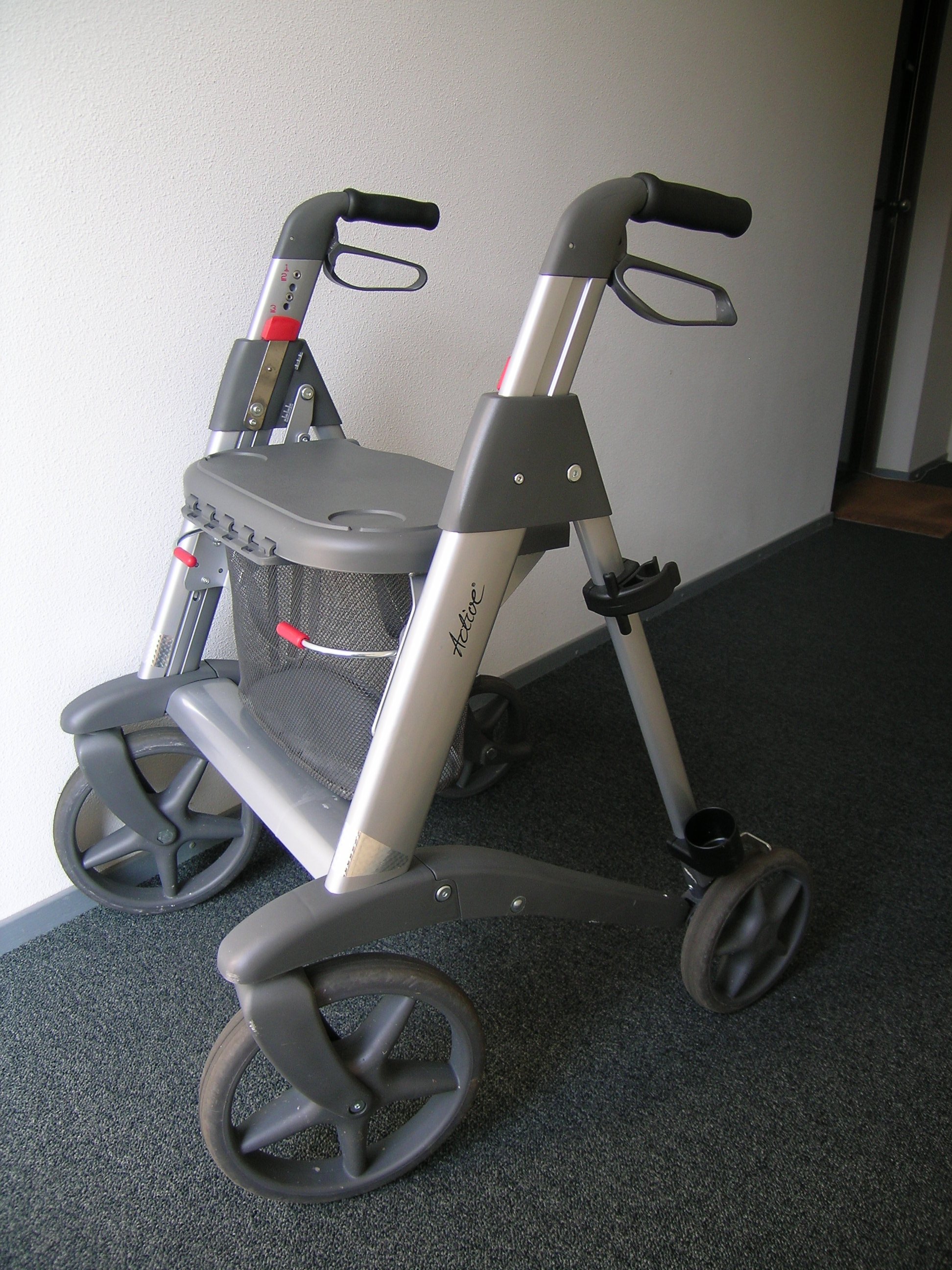
The best rollator for a small home is not simply the model with the smallest folded size. It must fit through the narrowest doorway while open, turn beside the bed and toilet, give the user enough room between the handles, and remain easy to control on the home's actual floors.
Our top pick for tight indoor use is the **byACRE Carbon Ultralight in Compact**, which is 23.6 inches wide, weighs 10.6 pounds, and folds to 9.8 inches wide. The **Drive Medical Nitro Sprint Standard** is a better-value all-purpose choice at 24 inches wide, with a more supportive seat and 10-inch front wheels. Choose the **Stander Wonder Rollator Short** when compact storage and a genuinely low seat matter, or the **Trust Care Let's Go Indoor** when the priority is carrying meals and household items rather than having a seat.
Those picks solve different problems. A narrow frame can be unusable if the person's hips or hands do not fit. A rollator that disappears into a closet can still be too wide while open. An indoor trolley-style model may be excellent in the kitchen but inappropriate for outdoor walks. Measure the person, the route, and the storage location before choosing.
Product specifications and manufacturer prices were checked in August 2026. Prices, availability, and model details can change, so confirm the exact size and item number before ordering.
Our Picks at a Glance
| Pick | Best for | Open width | Weight | Seat | Main tradeoff | | --- | --- | ---: | ---: | --- | --- | | byACRE Carbon Ultralight Compact | Best narrow rollator overall | 23.6 in | 10.6 lb | 22.4 in high | $699 price; narrow space between handles | | Drive Medical Nitro Sprint Standard | Best value for indoor and outdoor use | 24 in | 19 lb | 21 in high | Heavier and longer than the premium pick | | Stander Wonder Rollator Short | Best low seat and compact storage | 25 in | 13.5 lb | 17 in high | Six-inch wheels and a shallow resting seat | | Trust Care Let's Go Indoor | Best for kitchen and room-to-room tasks | 21.5 in | 14.3 lb | No seat | Indoor-only design; 220-lb capacity |
Width alone does not identify the winner. The byACRE Compact has only about 13.4 to 13.8 inches between its inward-curving handles, while the Stander Short has a 15.5-inch-wide seat. A person may need the wider frame to walk without rubbing the hips or clothing. Check usable body space as carefully as overall width.
Best Overall: byACRE Carbon Ultralight Compact
The byACRE Carbon Ultralight in Compact is the strongest choice when a conventional four-wheel rollator must fit a narrow home and also travel outside. Its 23.6-inch open width is slimmer than many full-size rollators, and its 26.4-inch length keeps the footprint manageable around furniture. A side-to-side fold reduces the width to 9.8 inches for a closet, car, or temporary parking beside a chair.
At 10.6 pounds, it is also much easier to lift than a typical aluminum rollator. That matters in a small home where the device may occasionally need to be moved around a step, stored overhead, or loaded by an older spouse. The 7.9-inch puncture-proof wheels are large enough for maintained sidewalks and ordinary thresholds without creating the bulk of an all-terrain model. Brake cables are enclosed within the frame, so there is less loose hardware to catch a drawer pull or narrow doorway.
The Compact supports up to 285 pounds. Its handles adjust from 30.7 to 37.4 inches, and the fixed seat is 22.4 inches high and 16.1 inches wide. Those dimensions are not a universal fit. The space between the handles is approximately 13.4 to 13.8 inches, which may feel restrictive even when the frame clears the doorway. The relatively high seat can also leave a shorter user's feet dangling or make the turn-to-sit sequence uncomfortable.
The $699 manufacturer price is the largest drawback. Carbon construction can make daily handling easier, but it does not make a poorly fitted device safe. Choose the Compact when every inch and pound creates a real barrier, the user's body fits comfortably within it, and the household needs one rollator for both smooth indoor floors and maintained outdoor routes. The Regular version is 24.6 inches wide and may be worth the extra inch for more hip and hand room.
Best Value: Drive Medical Nitro Sprint Standard
The Drive Medical Nitro Sprint Standard offers a practical balance for a small home when the user also goes outdoors. It is 24 inches wide and 27.5 inches long, supports up to 350 pounds, and has an 18-by-10-inch padded seat. Its 10-inch front wheels cross pavement seams and modest thresholds more smoothly than the six-inch wheels found on many travel-oriented products.
The frame folds side to side with one hand and locks in the folded position. Internal brake cables reduce snagging, and the storage bag can mount in more than one location. The Standard weighs 19 pounds, its handles adjust from 30 to 36.5 inches, and its seat is 21 inches from the floor. Drive also sells Hemi and Tall variants, but families should compare their dimensions rather than assuming the name alone identifies the right fit.
The Nitro Sprint is our value pick because it provides a full resting seat, large wheels, multiple height versions, and a high capacity without entering premium carbon pricing. It works best in a home with pathways at least a little wider than its 24-inch frame and enough turning space for its 27.5-inch length.
Nineteen pounds may be difficult for a frail caregiver to carry, and the frame can feel long in a tiny bathroom. Test whether the user can turn without backing into the toilet or door. Choose the Nitro Sprint when open width is the main constraint but the household still wants a substantial everyday rollator. Avoid the 29-inch-wide HD version for a tight home unless its higher capacity is necessary and every route has been measured.
Best for a Short User: Stander Wonder Rollator Short
The Stander Wonder Rollator Short is designed around smaller body dimensions rather than merely shrinking for storage. It is 25 inches wide and 22 inches deep, with handles adjustable from 27 to 30 inches and a 17-inch-high seat. It weighs 13.5 pounds and supports up to 250 pounds.
This version can solve a common fit problem: compact rollators sometimes retain a high seat and high handles that do not suit a shorter adult. A 17-inch seat lets many shorter users place their feet on the floor while resting, though the right height still depends on leg length and the ability to stand. The 15.5-by-6-inch seat is intended for short pauses, not extended sitting.
Stander's folding system collapses the frame to an approximately 11-by-10-inch bundle. That shape is convenient beside a restaurant chair, in a small car, or in the corner of an apartment. However, its open width matters more during walking. At 25 inches, it may not clear an unusually narrow bathroom route, especially once baseboards, hinges, doorstops, and the user's hands are considered.
The six-inch wheels suit smooth floors and maintained pavement. They are less forgiving at thick rugs, broken sidewalks, gravel, or tall thresholds. Choose the Short only when its lower handle and seat ranges fit the person. The Standard Wonder Rollator is 26.5 inches wide, has 33-to-36-inch handles, and a 22-inch seat; it stores compactly but is not one of the narrowest rollators while open.
Best Indoor Task Rollator: Trust Care Let's Go
The Trust Care Let's Go Indoor is different from the other picks. It is a narrow indoor walking aid and trolley with a removable tray, not an outdoor rollator with a resting seat. Its 21.5-inch width makes it especially maneuverable in a kitchen, bedroom, or bathroom, and the frame stands upright when folded.
The tray measures about 16.5 by 13.8 inches and can carry a meal, cup, laundry, or small personal items. A single horizontal brake bar operates both rear wheels and can be gripped anywhere along the handle, which may be easier for someone who cannot coordinate two separate brake levers. The frame weighs about 14.3 pounds, supports up to 220 pounds, and has handle height adjustment from roughly 32.7 to 37.4 inches. Its six-inch soft rubber wheels favor indoor surfaces.
The absence of a seat is both a benefit and a limitation. Without a seat and backrest, the device stays narrow and provides a useful tray at tabletop height. It cannot offer a safe place to rest, and it should not replace an outdoor rollator for sidewalks or uneven ground. The single continuous handle also creates a different walking position than two-handled models.
Choose the Let's Go when the main goal is safer room-to-room movement and transporting objects without carrying them by hand. It can be especially useful for someone who abandons a conventional walker in the kitchen because both hands are needed for a plate. Do not choose it for a person who needs frequent seated breaks, more than its rated capacity, or a mobility aid for community outings.
What “Small” Should Mean in Your Home
Manufacturers use words such as compact, travel, and space-saving in different ways. For a small home, evaluate at least four separate dimensions:
- **Open width:** The device must pass every doorway and furniture gap while the user's hands remain safely on the grips.
- **Open length:** A long frame may clear a door but fail to turn between the bed, dresser, toilet, or shower.
- **Turning space:** Wheel placement and caster movement affect whether the rollator can reverse direction without a multi-step maneuver.
- **Folded footprint:** This determines whether the unused device fits in a closet, car, hallway recess, or beside a dining chair.
A compact fold mainly solves storage and transport. It does not make a wide rollator narrow during use. Conversely, an indoor model may be extremely narrow when open but remain awkward in a shallow closet. Decide which problem is actually making daily life harder before comparing labels.
Measure the Route, Not Just the Door
Use a rigid tape measure and follow the person's real route from bed to bathroom, favorite chair, kitchen, and exit. Record the smallest usable gap at each point. Measure between the open door and the opposite jamb, not the nominal size printed on a building plan. Hinges, trim, grab bars, radiator valves, baskets, and furniture handles can take away valuable inches.
Then test the corners. Mark the candidate rollator's width and length on the floor with painter's tape or build a light cardboard rectangle. Move that outline through the route, allowing additional room for feet and hands. Pay special attention to:
1. The approach to the toilet and the space needed to turn before sitting. 2. The gap between the bed and wall or nightstand. 3. Kitchen turns with appliance doors and cabinet drawers open. 4. The front-door threshold and space to close the door behind the user. 5. Elevator openings, lobby mats, and the route to a parked car.
Do not plan on partially folding a rollator while walking through a tight door unless the manufacturer specifically permits that technique and a clinician has confirmed it is safe. Partial folding changes stability and hand position. A route that only works through an improvised maneuver is not a good fit.
Fit the Person Before the Floor Plan
The narrowest frame is unsafe if the user cannot stand and walk naturally inside it. With normal walking shoes on, measure wrist height while the person stands as upright as comfortably possible with arms relaxed. Handgrips often begin near the wrist crease, leaving a slight elbow bend, but posture, pain, and gait can change the correct setting.
Check hip clearance while wearing ordinary clothing. Hands should remain on the grips without rubbing walls, and the user should have room to step into the frame rather than pushing it far ahead. Confirm that fingers can reach and squeeze the brake levers. Arthritis, neuropathy, weakness after stroke, or small hands may make a technically narrow device hard to stop.
For a seated rollator, test seat height against a stable chair at home. The user should be able to place both feet securely, rise without pulling backward on the frame, and turn to sit only after both parking brakes are locked. Seat width must accommodate hips and winter clothing. Never exceed the manufacturer's capacity, and never push someone who is sitting on a standard rollator.
A physical or occupational therapist can watch the full sequence—walking, braking, turning, crossing a threshold, and sitting—and determine whether a rollator is the right category of aid. A four-wheel device may roll too freely for someone who needs to bear substantial weight through the arms, has unpredictable knee buckling, or cannot control speed.
Wheels, Rugs, and Thresholds
Small wheels reduce bulk and turn quickly on smooth floors, but they can stop abruptly at a raised transition or thick rug. Larger wheels usually cross gaps and pavement seams more easily, although they may lengthen the frame. That tradeoff explains why the Nitro Sprint is a stronger mixed indoor-outdoor choice and the Let's Go is better reserved for controlled indoor surfaces.
Before buying a new rollator, remove loose throw rugs and secure curling edges where possible. A narrow device does not compensate for a cluttered path. Route electrical cords away from travel lanes, relocate small tables, and consider whether a door can safely be rehung or removed. Sometimes gaining two inches of clear pathway is safer and less expensive than choosing a rollator that is too narrow for the user's body.
Test every threshold slowly. If a front caster catches, stop and reposition rather than forcing the frame forward while leaning. Keep bags in the intended storage area and do not hang groceries from the handles, where their weight can change steering and balance.
Braking and Sitting in a Tight Room
Confined spaces demand more precise brake control because there may be no open area to recover from a fast turn. The user should be able to slow both rear wheels, engage both parking locks, and confirm the frame will not move before sitting. Cable tension and tire wear must be even; a rollator that pulls to one side needs adjustment.
Plan where rests will occur. A rollator seat should be used on level ground with parking brakes fully engaged. Leave enough space for the person to turn within the frame, reach back for the seat, and sit without hitting furniture. If that sequence cannot happen in the intended spot, use a stable household chair placed along the route instead of relying on the rollator seat there.
The Let's Go's tray is not a seat. The shallow Stander seat is for brief stationary rests. None of these standard models may be used to push an occupied person. A transport chair or purpose-built rollator/transport-chair combination is required for assisted riding, but those products are generally wider and need their own fit assessment.
Storage and Everyday Parking
Choose a parking place before the rollator arrives. Leaving it folded in a narrow escape route creates a new hazard. The location should be reachable without walking unsupported and should not block a door, heater, electrical panel, or caregiver path.
Side-folding rollators can often stand in a narrow gap and may roll a short distance while folded for storage. Follow the manual: frame locks differ, and a device can open unexpectedly if it is lifted by the wrong part. Ask the person who will handle it to demonstrate folding and unfolding without pinching fingers or bending unsafely.
If the rollator goes in a car, measure the trunk opening and ask the actual caregiver to lift the display model. Product weight matters more than a marketing claim about portability. Remove only accessories that the manual identifies as removable, and never ask the user to balance against the rollator while someone is putting it away.
Buying Checklist
Before the return window begins, write down these numbers and decisions:
- Narrowest clear doorway or furniture gap
- Tightest turning area and usable floor dimensions
- User's wrist height, hip width, weight, and comfortable seat height
- Required indoor and outdoor surfaces
- Need for a seat, tray, basket, or one-hand braking
- Maximum weight the caregiver can safely lift
- Open and folded storage limits
- Local source for brake adjustment and replacement parts
Order from a seller that clearly identifies the exact variant and return conditions. Keep the packaging until the user has tested the device indoors. Many sellers restrict returns after wheels have been used outdoors, so verify the policy before a sidewalk trial.
Common Questions
What is the narrowest rollator in this guide?
The Trust Care Let's Go Indoor is about 21.5 inches wide, but it has no seat and is intended for indoor use. Among conventional seated rollators here, the byACRE Carbon Ultralight Compact is narrowest at 23.6 inches. Its interior hand and hip space must still fit the user.
Is a three-wheel rollator better for a small apartment?
A three-wheel model can turn tightly and may be narrow, but it usually lacks a proper seat and can be less stable during sideways loading. It may suit an independently mobile person who needs light support in confined spaces. Test it with a therapist rather than assuming three wheels are safer because the frame is smaller.
Can a rollator fit through a 24-inch opening?
A listed 23.6- or 24-inch width leaves little or no margin for trim, the user's hands, and manufacturing tolerances. Measure the clear opening at its narrowest point and allow comfortable clearance. Do not buy a nominally 24-inch rollator for a nominally 24-inch gap without an in-home trial.
Should we keep separate indoor and outdoor rollators?
Two devices can make sense when an indoor route requires a very narrow tray model and outdoor walks require a seat and larger wheels. The user must be able to switch safely between different brakes, handles, and turning behavior. A second device also needs an accessible storage place and a maintenance routine.
Are compact rollators covered by Medicare?
In the United States, coverage depends on current Medicare rules, medical necessity, documentation, and use of an enrolled supplier. A premium feature such as carbon fiber may not be covered simply because it makes the device lighter. Check with the plan and supplier before buying; do not rely on a retail listing's billing code as a guarantee.
The Bottom Line
The byACRE Carbon Ultralight Compact is our best narrow rollator for seniors who need a lightweight seated device for both home and maintained outdoor routes. The Drive Medical Nitro Sprint Standard offers better value and larger wheels at a still-manageable 24-inch width. The Stander Wonder Short is the better fit for many shorter adults and stores in a remarkably small footprint. The Trust Care Let's Go is the specialist choice for very tight indoor routes and carrying household items.
Start with the narrowest real pathway, then rule out any model that does not fit the person's body, braking ability, and seat needs. A few minutes of measuring—and ideally a supervised home trial—will prevent the most common mistake: buying a rollator that fits the closet but not the person using it.