
guide
When to Get Physical Therapy
A practical guide to recognizing when an older adult may benefit from physical therapy, choosing the right setting, and preparing for the first visit.
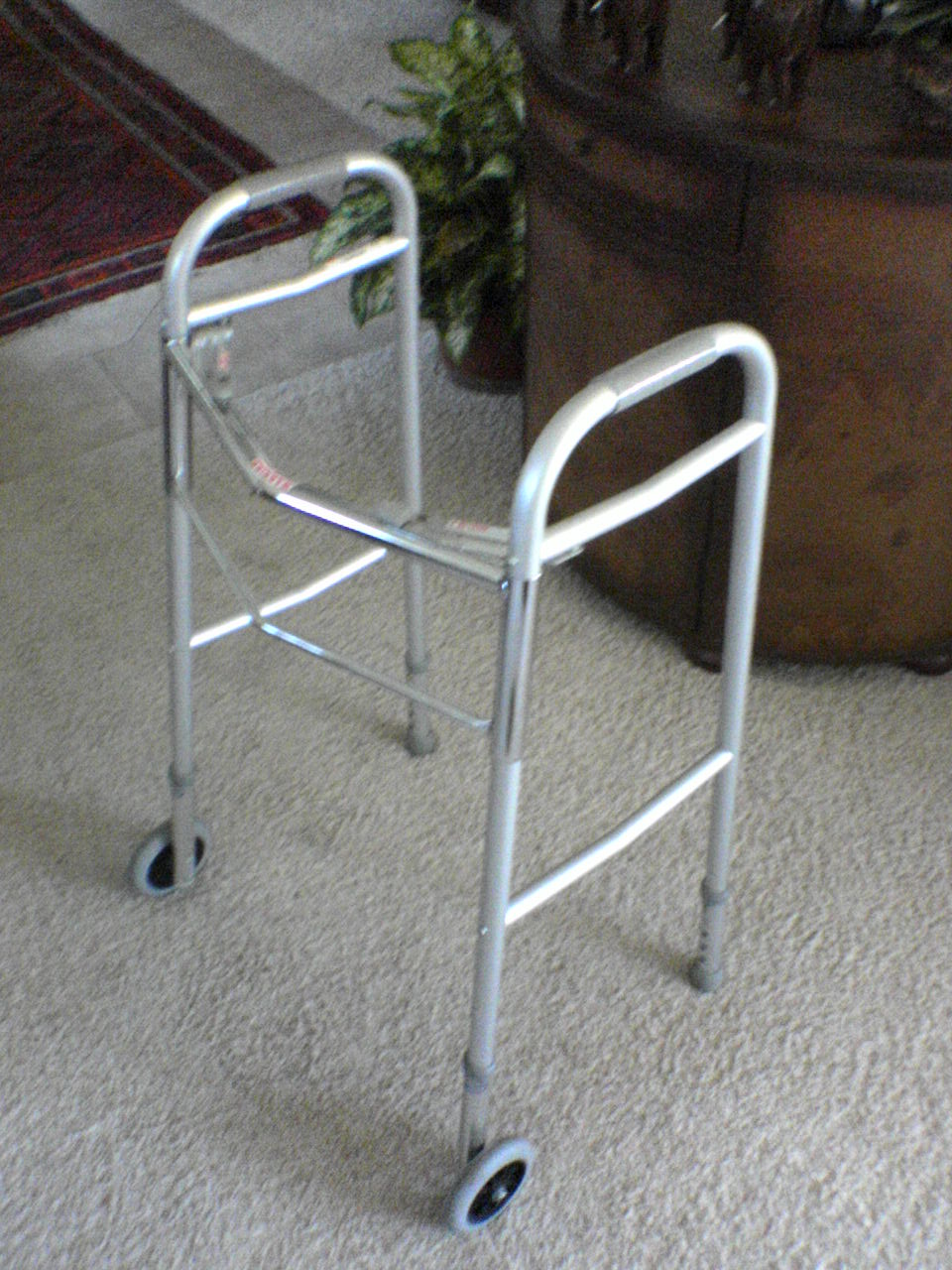
Physical therapy can be useful well before an older adult loses the ability to walk. A physical therapist evaluates how a person moves, identifies what is limiting a real-life task, and builds a plan to improve or maintain strength, balance, endurance, flexibility, and confidence. The right time to ask is often when movement has become less safe, more painful, or more effortful—not only after a serious injury.
This guide can help families recognize when an evaluation is worth arranging, when a medical assessment should happen first, and what to expect from therapy. It is general education, not a diagnosis or an individual treatment plan.
Signs It Is Time to Consider Physical Therapy
One isolated slow day is rarely enough to draw a conclusion. Look for a change, a pattern, or a task that the person can no longer do safely. A physical therapy evaluation may be reasonable when an older adult:
- has fallen, nearly fallen, or started grabbing furniture and walls for balance;
- worries about falling and has begun avoiding walks, stairs, shopping, or social activities;
- has trouble rising from a chair, getting into bed, stepping into a shower, or climbing stairs;
- walks more slowly, shuffles, catches a toe, or cannot keep up over familiar distances;
- feels weaker or less steady after an illness, hospital stay, surgery, or prolonged time in bed;
- has persistent joint, muscle, or back pain that changes the way they move;
- needs help learning to use a cane, walker, brace, or other mobility device safely;
- has a neurologic condition, such as stroke or Parkinson's disease, that affects movement; or
- is losing endurance and independence because ordinary activity has become exhausting.
A near-fall counts. So does a new habit of refusing an activity because it feels unsafe. Fear can create a cycle in which a person moves less, loses strength, and becomes even less confident. The National Institute on Aging advises telling a clinician about any fall, even one without obvious pain, because it may reveal a medical, medication, vision, or mobility problem that can be treated.
When Medical Care Should Come First
Physical therapy is not a substitute for evaluating a sudden or potentially serious medical problem. Call emergency services for sudden one-sided weakness or numbness, facial droop, difficulty speaking, chest pain, severe shortness of breath, fainting, or a suspected major fracture. After a fall, urgent assessment is also important for a head strike followed by worsening headache, repeated vomiting, unusual sleepiness, confusion, seizure, or new weakness—especially if the person takes a blood thinner.
Contact a clinician promptly for a sudden major change in walking or balance, new severe pain, a hot and swollen joint, unexplained dizziness, fever with weakness, or inability to bear weight. These signs need a cause identified before exercise is prescribed. A clinician should also review repeated falls because vision changes, infection, low blood pressure, foot problems, and medicines that cause dizziness or sleepiness can all contribute.
If symptoms are stable and gradual, start with the primary care clinician or a physical therapist. Rules about seeing a therapist without a referral vary by location, insurance plan, and treatment setting. Even where direct access is allowed, insurance may still require an order or certification for payment.
What a Physical Therapist Can Assess
The first visit should connect measurements to the activities that matter to the older adult. The therapist may ask about falls, pain, medical history, medications, the home layout, and personal goals. They may observe walking, turning, reaching, stair use, standing from a chair, and getting on or off a bed.
Common assessments examine leg strength, balance, walking speed, endurance, range of motion, and response to position changes. The therapist may also check whether a cane or walker is the right type and height. According to the CDC's STEADI clinical resources, clinicians can use structured tests of gait, strength, and balance as part of a broader fall-risk assessment. A single score is not a diagnosis; medical history and what happens during daily routines still matter.
Treatment should be individualized. It may include progressive strengthening, balance practice, gait and stair training, flexibility work, pacing, pain-management strategies, and a home exercise program. A therapist can also teach safer transfers and recovery strategies, recommend an appropriate mobility aid, and communicate concerns back to the medical team. The goal is not simply to complete clinic exercises. It is to make a specific activity—such as reaching the bathroom at night or walking to the mailbox—safer and more manageable.
Physical Therapy, Occupational Therapy, or Both?
The professions overlap, but the starting questions differ. Physical therapy usually focuses on movement capacity: strength, balance, walking, endurance, pain, and mobility technique. Occupational therapy focuses on performing daily activities safely, including bathing, dressing, meal preparation, hand function, routines, and adapting the home or task.
For example, a physical therapist may train leg strength and stair technique. An occupational therapist may assess the staircase in context, practice carrying necessary items safely, and recommend changes to support the person's routine. After a stroke, fracture, or complicated hospital stay, both may be appropriate. Ask the clinician which discipline best matches the immediate problem rather than assuming one must replace the other.
Choosing the Right Therapy Setting
The best setting depends on medical needs and how safely the person can leave home.
- **Outpatient therapy** works well when the person can travel safely and needs clinic equipment or focused progression.
- **Home health therapy** may fit someone who meets the insurer's eligibility rules, has substantial difficulty leaving home, or needs treatment in the environment where the problem occurs.
- **Inpatient rehabilitation or skilled nursing rehabilitation** may be considered after a serious illness, injury, or surgery when the person needs coordinated nursing and therapy before returning home. Eligibility and intensity differ between these settings.
Ask whether the therapist regularly works with older adults and with the main concern—falls, vestibular symptoms, neurologic disease, joint replacement, or chronic pain. Convenience matters too. A theoretically excellent plan will fail if transportation, appointment frequency, or caregiver availability makes attendance unrealistic.
How to Prepare for the First Visit
Bring a medication list, relevant diagnoses, recent discharge instructions, insurance information, and the mobility device the person actually uses. Wear the usual shoes and clothes that allow safe movement. A caregiver can help by describing changes without taking over the conversation.
Specific observations are more valuable than saying, “She seems weak.” Note when the difficulty began, any falls or near-falls, where they occurred, and what the person was doing. Record which tasks now require help and how far the person can walk before resting. Photos or measurements of a difficult staircase may help, but ask the therapist what is useful and protect the older adult's privacy.
Agree on one or two meaningful goals before the appointment. “Stand from the dining chair without pulling on the table” or “walk from the apartment to the elevator with the walker” gives the therapist a clearer target than “get stronger.”
Useful questions include:
- What do you think is limiting this task?
- Which exercises require supervision, and which are safe to do alone?
- How should pain or fatigue guide the home program?
- What change would show that treatment is working?
- When will you reassess the plan?
- Should another clinician, such as an occupational therapist, pharmacist, eye doctor, or neurologist, be involved?
What Progress Should Look Like
Progress is not always a dramatic increase in strength. It may be fewer stumbles, a smoother chair rise, less assistance on stairs, a longer safe walking distance, or enough confidence to resume a valued activity. For a progressive condition, maintaining function or slowing decline may be a meaningful result.
Ask the therapist to explain the baseline, goals, and expected review point. The home program should be understandable and feasible. If it is too painful, complicated, or time-consuming to follow, say so; the therapist needs that information to adjust it. Do not add ankle weights, unstable surfaces, or internet exercises without checking whether they are safe for this person.
The CDC recommends strength and balance activity as part of fall prevention, but the safest starting level varies. Someone with poor balance may need supervised training before beginning a general walking or fitness program. Therapy should eventually leave the person and family with a sustainable plan, which may include independent exercise or an appropriate community class.
Paying for Physical Therapy
Coverage depends on the plan and setting, so verify benefits before treatment. Ask about the deductible, copayment or coinsurance, visit authorization, network status, and whether a referral or prior authorization is required.
For people with Original Medicare, Medicare states that Part B covers medically necessary outpatient physical therapy when a doctor or another eligible healthcare provider certifies the need. After the Part B deductible, the patient generally pays 20% of the Medicare-approved amount, and Medicare does not impose an annual dollar limit on medically necessary outpatient therapy. Medicare Advantage plans can have different network and authorization rules, so contact the plan directly. Home health, skilled nursing, and inpatient rehabilitation have separate eligibility and coverage requirements.
If cost is a barrier, ask the therapist what visit frequency is clinically reasonable, what can safely be practiced at home, and whether a community fall-prevention program is appropriate after skilled treatment. Do not assume that fewer visits are automatically cheaper if the plan no longer provides enough instruction or monitoring to be safe.
A Practical Decision Rule
Consider arranging physical therapy when a movement problem is persistent, affects an important activity, or increases fall risk—and when the person is medically stable enough to participate. Seek medical evaluation first for sudden, severe, or unexplained changes. If you are unsure, describe the exact change to the primary care clinician and ask whether physical therapy, another evaluation, or both should come next.
Families do not need to wait for a major fall. An evaluation can clarify whether the problem is strength, balance, pain, technique, equipment, the environment, or a medical issue outside the therapist's scope. That clarity is often the most useful first step.