
scenario
Trouble Using Stairs
Trouble Using Stairs is a common turning point for families. This page should help readers size up the situation quickly and move to the right next step.
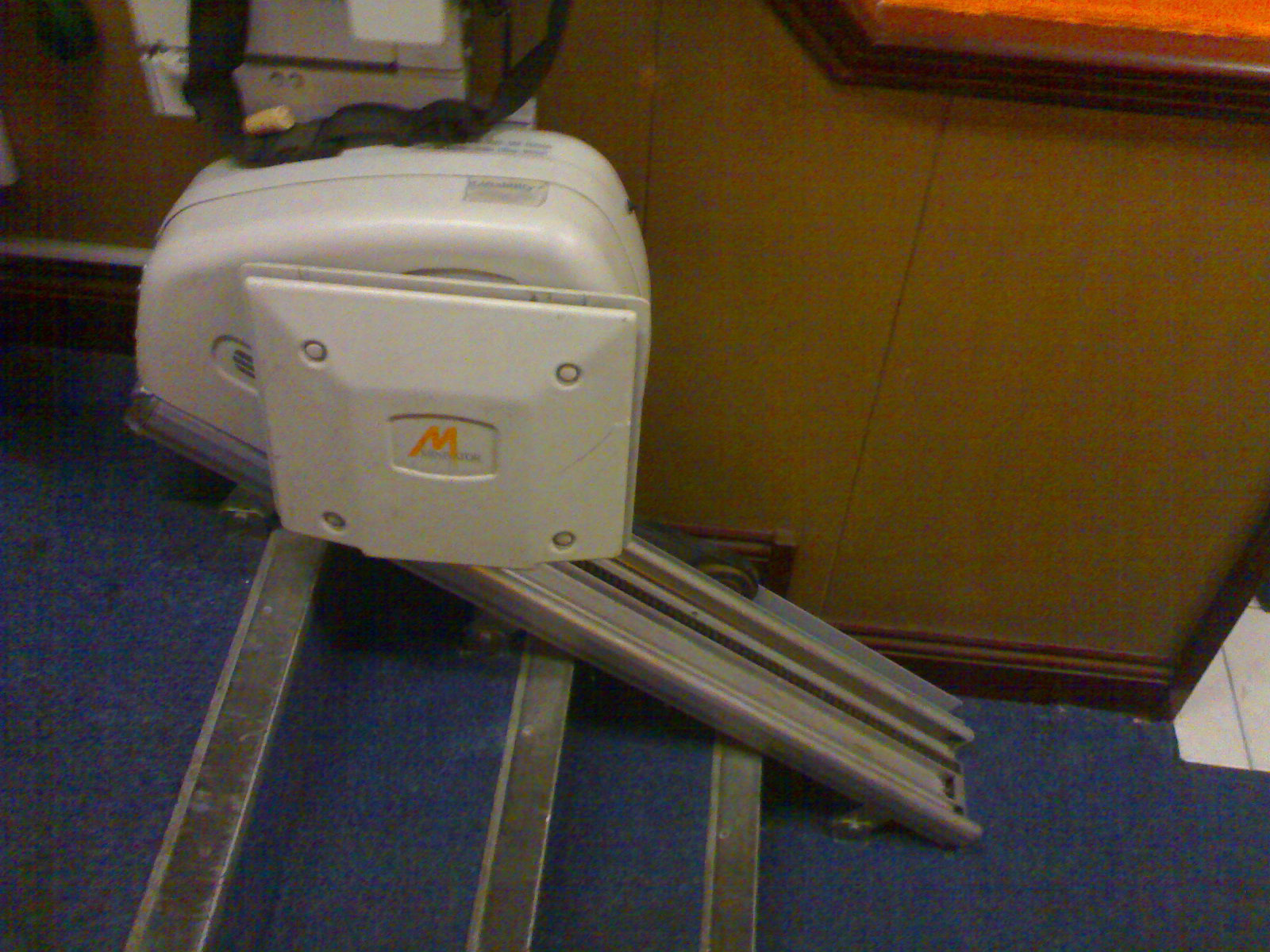
Trouble using stairs is one of the clearest signs that a home routine needs attention. Stairs combine balance, strength, vision, timing, footwear, hand support, and confidence in one small space. When any one of those changes, a staircase that felt ordinary for years can become the place everyone quietly worries about.
The right next step depends on what is happening. A parent who is slower and more cautious may need better lighting, two sturdy handrails, and a physical therapy referral. A parent who has fallen, freezes on the stairs, misses steps, or cannot carry laundry safely may need an immediate workaround while the family decides whether first-floor living, a stair lift, or outside help makes sense.
This guide helps families size up stair trouble without jumping straight to a remodel. The goal is to reduce risk this week, understand whether the problem is medical, environmental, or both, and choose the least disruptive change that still protects the person.
First, Name the Stair Problem
Watch the stair routine when everyone is calm, with the older adult's permission. Do not start by asking whether they are "safe." Ask what feels hard: going up, going down, turning on the landing, carrying items, seeing the step edge, using the railing, managing a cane, or getting tired halfway.
Going up often reveals strength and endurance issues. The person may pull hard on the rail, stop after a few steps, lead with the same leg every time, or avoid stairs after a tiring appointment. Going down often reveals balance, vision, depth perception, fear, and knee or hip pain. Many people are more nervous descending because a misstep feels harder to recover from.
Also notice timing. Stair trouble after dinner, during nighttime bathroom trips, or after medication changes may point to fatigue, dizziness, low lighting, or side effects. Trouble that appears suddenly deserves medical attention rather than only home fixes.
Act Quickly After Falls or Near Misses
Treat a stair fall, caught foot, slip, sudden grab, or "almost fell" comment as useful information. Families sometimes wait because the person was not injured. That is understandable, but stairs are less forgiving than many other parts of the home.
For the next few days, reduce stair trips while you assess. Move frequently used items to one level. Put clean clothes, medications, phone chargers, toiletries, and a comfortable chair where they do not require repeated climbing. If the only bathroom or bedroom is upstairs, consider a temporary sleeping setup on the safer level until the family has a clearer plan.
Do not ask the older adult to carry laundry baskets, groceries, trash, hot drinks, or bulky bedding on stairs while the concern is active. Keeping both hands available for the rail is one of the simplest immediate changes.
Check the Staircase Itself
A safer staircase usually has handrails on both sides, bright lighting, visible step edges, secure treads, and no clutter. Start there before buying major equipment.
Grip each handrail and pull firmly. It should not wobble, flex, end too early, or be interrupted at the landing. A railing that stops before the last step can be dangerous because the person loses support during the transition. If there is only one rail, adding a second rail can help people with one weaker side and can make descending feel less exposed.
Look at the step surface. Loose carpet, slick wood, curled stair runners, uneven tread depth, and small objects on the steps all raise risk. The edge of each step should be easy to see. Some families add contrast strips or stair nosing so aging eyes can distinguish one step from the next.
Then test the lighting. There should be easy switches at both the top and bottom of the stairs, enough light on every step, and no shadows that hide the landing. Motion lights can help, but they should turn on before the person starts climbing, not halfway through the staircase.
Watch the Person, Not Just the Stairs
A perfect staircase will not solve weak legs, dizziness, medication side effects, poor vision, neuropathy, arthritis, or fear after a fall. Trouble using stairs often has more than one cause.
Bring in the primary care team if stair difficulty appears after a fall, illness, hospitalization, new medication, dizziness, faintness, shortness of breath, chest pain, sudden weakness, new confusion, or a noticeable change in walking. Those are not just home-design problems.
Physical therapy can help with strength, balance, step practice, and safe use of a cane or walker near stairs. Occupational therapy can help match the stair routine to the home layout, handrails, lighting, energy conservation, and daily tasks such as laundry or bathing. A vision check may matter if the person misjudges step edges or hesitates in dim light.
Choose Immediate Fixes Before Big Decisions
The first changes should lower risk quickly. Add or repair handrails. Improve lighting. Clear every step. Remove loose rugs at the top or bottom landing. Put non-slip footwear near the stairs. Move heavy or frequent items to the level where they are used.
Make a "no carrying on stairs" rule for now. Use a small cross-body bag, apron pocket, stair basket handled by someone else, or a family delivery routine for laundry and supplies. Phones are important too: the person should not climb stairs without a way to call for help if they become stuck on a landing.
If the older adult uses a cane, walker, or rollator, ask a therapist how it should be handled around stairs. Many walkers are not meant to be lifted step by step without training. Families should not improvise with mobility equipment on stairs unless a clinician has shown the safest method.
When First-Floor Living Makes Sense
First-floor living can be the least disruptive solution when stairs are becoming unsafe but the person wants to stay home. This might mean moving the bedroom downstairs, creating a washing-up station near a half bath, storing clothes on the main level, or using a bedside commode temporarily.
Families sometimes resist this because it feels like giving up part of the home. It can help to frame it as an energy and safety decision: fewer stair trips for a month while strength improves, or a winter setup when fatigue and darkness make stairs harder.
First-floor living is especially worth considering after surgery, hospitalization, repeated falls, severe arthritis flares, dizziness, or a new walker. It can also be a bridge while the family prices a stair lift, bathroom change, or longer-term care plan.
When to Consider a Stair Lift
A stair lift may help when the person can transfer safely on and off the seat, follow directions, sit upright, and use the controls consistently. It can preserve access to an upstairs bedroom or bathroom when the staircase is the main barrier.
It is not the right solution for every stair problem. A stair lift does not help if the person cannot safely transfer, forgets how to use controls, is likely to stand while it moves, or needs hands-on help at the top and bottom anyway. It also does not solve unsafe stairs for visitors, caregivers carrying laundry, or a spouse who still uses the steps.
Before buying, compare the cost of the lift with first-floor living changes, bathroom relocation, in-home help, and the possibility that the person's needs may change again. Ask about stair shape, landing space, power backup, maintenance, warranty, rental options, and removal costs.
How to Talk About Stairs Without a Fight
Stair conversations can feel loaded because they touch independence, pride, and fear of moving. Try to make the first conversation about one risky moment, not the person's overall ability.
Instead of "You cannot use the stairs anymore," try "I noticed you had to grab the wall at the last step. Can we make that spot easier this week?" Instead of "You need a stair lift," try "Let's test whether fewer stair trips helps your knees and confidence before we make a bigger decision."
Ask what the older adult wants to protect. It may be sleeping in their own room, showering privately, doing laundry, reaching a craft room, or avoiding a move. Once the goal is clear, the family can compare options against that goal rather than arguing about whether stairs are "safe" in the abstract.
A Simple Stair Safety Checklist
- Are there sturdy handrails on both sides for the full length of the stairs?
- Can the person turn lights on from both the top and bottom?
- Are step edges easy to see in daytime and at night?
- Are carpets, runners, and treads secure?
- Are the top and bottom landings free of rugs, shoes, cords, and packages?
- Can the person use the stairs without carrying anything?
- Is there a phone or alert button available on both levels?
- Does the person become dizzy, breathless, weak, or confused on stairs?
- Has anyone watched the routine recently instead of relying on memory?
- Is there a backup plan if stairs are not safe today?
Use the checklist as a conversation starter, not a pass-fail test. One serious concern may be enough to change the routine temporarily.
When Stairs Are Not Safe Today
Stop or limit stair use immediately if the person has fallen on the stairs, is dizzy or faint, has sudden weakness, cannot see the steps clearly, cannot hold the railing, becomes confused midway, or freezes and cannot continue. Call for urgent medical help when symptoms suggest a medical emergency.
For non-emergency situations, create a same-day plan. Keep the person on one level, ask someone else to move essential items, and contact the primary care team, therapy provider, or a home safety professional. If the person must leave the house for care, plan how they will get down the stairs safely before the appointment time.
Do not rely on willpower. A parent who says "I'll be careful" may still face the same weak rail, dim light, painful knee, or dizzy spell at 2 a.m.
If the family cannot make the staircase safer that day, assign the risk to a person, not to memory. One family member should confirm where the parent will sleep, who will move items between floors, and when the next professional or installer call will happen.
What Success Looks Like
Success usually looks like fewer stair trips, steadier movement, and less tension in the household. The older adult can explain the plan, use the rail naturally, see each step, and avoid carrying risky items. Caregivers know when to help and when to call for a reassessment.
The plan should also have a review point. If better lighting, handrails, and reduced carrying do not make stairs feel safer within a few weeks, it is time to escalate. That may mean therapy, first-floor living, a stair lift quote, a bathroom change, or more daily support.
Stair trouble is not a failure. It is information. Used early, it can help families prevent a serious fall while preserving as much independence and normal routine as possible.