
best
Best Canes for Balance Support
Families comparing Canes for Balance Support need a tighter shortlist, simpler criteria, and buying guidance rooted in real home use.
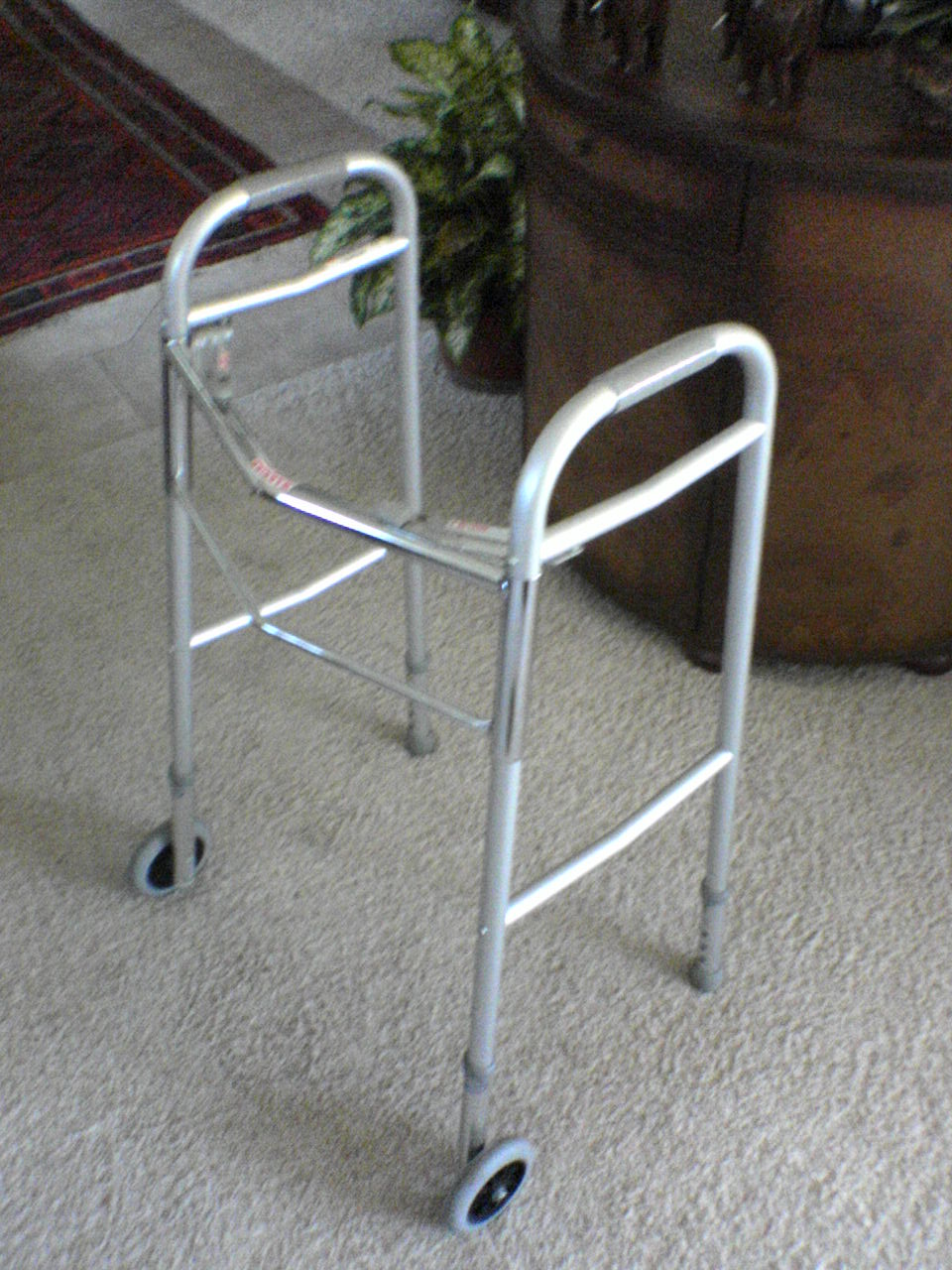
Finding the best canes for balance support for seniors starts with the amount of help the person needs, followed by fit, grip comfort, and the places they walk. A cane that looks substantial in a photograph can still be awkward beside a narrow doorway or uncomfortable in a painful hand.
Our shortlist covers three different buying situations: a straightforward offset cane to compare locally, a folding model for convenient transport, and a small-base quad cane to discuss when a therapist recommends that design. These are research-based options, not products we have tested with older adults. No model earns a universal recommendation for preventing falls.
First decide whether a cane is enough
A cane may suit someone who needs a little help with balance or has mild weakness or pain in one leg. Substantial weakness or balance difficulty deserves an assessment before shopping; a walker or another aid may be more appropriate. MedlinePlus: Using a cane.
The American Geriatrics Society's Health in Aging guidance distinguishes mild balance problems from more significant walking difficulty and emphasizes selecting, fitting, and learning to use the device with a healthcare professional. It also cautions that quad canes are not ideal for most people. More feet on the floor should therefore be a reason to ask about suitability, rather than an automatic upgrade. Health in Aging: Choosing the right cane or walker.
Before an appointment, write down the actual difficulty: reaching from furniture to furniture, struggling around a dining chair, feeling unsteady outside, or avoiding the walk to the bathroom. Describe where it happens and whether it is new. This gives the clinician more useful information than saying a parent needs a “stronger cane.”
Quick shortlist by buying situation
| Option | Why compare it | Main decision to resolve | Price information | | --- | --- | --- | --- | | Walgreens Offset Cane | A simple option to ask about and compare at a local pharmacy | Confirm the exact model's fit, grip, capacity, and local availability | The retailer's offset-cane listings showed $29.99 for several versions | | HurryCane Freedom Edition | Folding construction for storage and transport | Decide whether its pivoting base and folding routine suit the user | Manufacturer listed $39.99 | | Drive Medical Small Base Quad Cane | A four-point option when that design is specifically recommended | Confirm foot clearance, base placement, and the correct variant | Manufacturer page required sign-in for price; request a seller quote |
Prices are in US dollars and were checked September 30, 2026, before tax and shipping. They are snapshots, not guaranteed checkout totals. Specifications and price sources are linked within the individual descriptions below. Availability can differ by color, seller, and location.
Treat this table as a shortlist for a fitting conversation. Someone choosing their first mobility aid may need an assessment before any of these options belongs in a shopping cart. Someone replacing a well-fitting cane can instead begin with the current device's measurements and model label.
Walgreens Offset Cane: a practical local comparison option
Walgreens lists multiple offset-cane versions, including black, bronze, and patterned finishes. Several listings showed $29.99 when checked, with availability varying by delivery method and store. The reason to include this option is the opportunity to investigate a familiar retail category and ask about an in-person comparison. Local stock is not assured. Walgreens offset-cane listings.
Our buying judgment: this is worth comparing when the clinician has recommended a conventional cane and the family values a straightforward shopping process. Ask the store to identify the exact model before traveling. A listing that shares the same color or broad product name may still be a different version.
Bring the intended user's measurements and usual shoes. If a demonstration is permitted, focus on the hand contact and adjustment mechanism before the finish. Can the person comfortably wrap their fingers around the handle? Can they identify which part locks the height? Ask staff whether the display sample matches the packaged item being sold.
The main limitation is that a category listing cannot establish the specifications of every variant. Confirm the package's height range, user-weight limit, replacement-tip size, and instructions. Do not transfer a capacity claim from a bariatric version or another brand to the cane in your basket.
For a family buying remotely, request a photograph of the exact label from the person collecting it. That small step can avoid an exchange and creates a useful record when replacement parts are needed later.
HurryCane Freedom Edition: consider it for folding convenience
The manufacturer lists a height range of 30.5–37.5 inches, a 350-pound capacity, folding construction, and a pivoting base for the Freedom Edition. Its direct-store price was $39.99 when checked. The store also displayed a shipping-delay notice, so confirm delivery timing if the cane is needed for an upcoming appointment. HurryCane Freedom Edition specifications and price.
Our buying judgment: the useful question is whether folding solves a real transport problem. For example, a family may want a cane that packs more conveniently once the user is seated in a car. The person should still have their prescribed support available when getting in and out; packing convenience does not determine clinical suitability.
Ask the seller to demonstrate assembly and the checks required before use. Then have the intended user explain the sequence back. If a caregiver will always manage folding, include that caregiver in the demonstration. A feature has little practical value if using it creates confusion every time the family leaves home.
We would also ask for a supervised comparison of how the base feels during ordinary walking. Do not assume that a moving base will feel better simply because it is described as flexible. Personal preference matters after the basic fit and support requirements have been established.
The manufacturer markets self-standing behavior. We would treat that as a convenience feature, not evidence that the cane prevents falls or is suitable for someone who needs a walker. Decide where the cane will remain within reach when the person sits down, even if it does not stay upright in that location.
Drive Medical Small Base Quad Cane: a conditional choice
Drive's small-base quad-cane page lists a four-point base, offset handle, a 30–39-inch handle-height range, and a 300-pound capacity. Multiple grip variants appear on the page. Public pricing was not displayed without sign-in. Confirm the model number and grip material with the seller because the family of products includes different versions. Drive Medical small-base quad-cane specifications.
This belongs on a shortlist when a therapist has specifically recommended trying a quad cane. Ask the therapist to watch the user place the base, walk past it, and turn in a space similar to the home. Our purchasing criterion is whether the prescribed design works in that person's routine, rather than how solid it looks standing alone.
A useful demonstration includes a chair approach and a doorway. Bring approximate measurements or photographs of any cramped areas to the appointment. If the base appears to crowd the person's foot or furniture, describe that observation and ask whether the setup or device choice should change.
Before paying, request the complete delivered price and clarify whether the listing is for one cane. Medical-supply pages sometimes display packaging information that is easy for a household buyer to misread. Also ask which replacement feet match the exact version.
Do not choose this model solely to avoid a conversation about a walker. If a parent already needs substantial assistance, the important purchase decision may be a different category of aid. A broader cane base does not settle that question.
How to compare fit without guessing from body height
Start with the intended user's usual walking shoes. Clinical guidance places the handle around wrist level, with the arm relaxed at the side for measuring and a slight elbow bend while holding the cane. A person should not need to stoop to reach it. Ask for a fit check if the position feels wrong. Health in Aging fitting guidance.
Use that measurement to rule out products whose adjustment range does not include the needed height. A website's broad “fits most adults” description is less useful than the actual minimum and maximum handle positions. Very short or tall users should verify those limits before ordering.
Record the chosen setting once a professional has checked it. A photo of the adjustment hole and model label can help after transport, cleaning, or a caregiver change. Keep the instruction sheet with that record so nobody has to reconstruct the locking procedure from memory.
Capacity is a separate specification. Use the manufacturer's stated limit for the exact item, and do not interpret that number as permission to put the person's entire body weight through a cane. If the existing cane no longer seems adequate, request a reassessment rather than shopping by the largest capacity number alone.
Grip comfort deserves its own comparison
Choose a comfortable handle, as MedlinePlus advises, but make that a concrete shopping task. MedlinePlus cane selection. Ask the intended user to describe where the handle touches the palm and whether the shape feels natural. “Fine” after a quick touch is less informative than a specific account of pressure near the thumb or difficulty closing the fingers.
Our suggested comparison notes are simple: handle shape, surface feel, ease of gripping, and the user's preference. These notes are not a medical assessment. They help explain why two apparently similar products may lead to different buying decisions.
If the user has hand pain, limited finger movement, or an existing wrist problem, bring that issue to the clinician before settling on a model. Do not add homemade padding or change a handle assembly to rescue an unsuitable purchase. Ask about an appropriate alternative and confirm whether any accessory is approved for that device.
Appearance can still matter. Once the functional choices are narrowed, invite the parent to choose among acceptable colors or finishes. An adult who will carry the device every day deserves a say in how it looks and feels. Keep that discussion separate from promises that a particular design will make walking safe.
Compare the purchase, not just the sticker price
A useful cost comparison includes the cane, delivery, compatible replacement tips, and any return expense. Ask whether the quoted product is fully assembled and whether someone can demonstrate adjustment. A modest price difference may matter less than access to a fitting appointment or a seller who can identify the correct parts.
Before ordering, get answers to these questions:
- Is this exact model available, or will the seller substitute a similar version?
- Can an opened cane be returned after a permitted fit check?
- Is there a restocking charge or a return-shipping charge?
- Which replacement tip or feet are specified, and can the seller supply them?
- Who handles a damaged shipment or a problem with the adjustment mechanism?
- What arrival date can the seller reasonably confirm?
Keep the receipt, order confirmation, and model information together. For an online purchase, save the specifications shown at checkout. This helps resolve a mismatch between the product description and the item received without relying on a listing that may later change.
If insurance payment matters, ask the insurer and equipment supplier about the required process before buying. Do not assume that any retail purchase will be reimbursed. This guide does not quote coverage amounts or promise eligibility; the relevant plan and supplier need to confirm the arrangement for the individual order.
Plan the first use around familiar tasks
Once the aid has been selected and fitted, ask the clinician which ordinary activities to practice and whether someone should assist. The practical goal is to understand how the prescribed device fits the person's day. A store aisle alone may not reveal the questions that arise at a bedside or front door.
Prepare a short list of everyday situations: leaving the favorite chair, approaching the bathroom, passing through a narrow hall, reaching the dining table, and entering the family car. Do not turn this into an obstacle course or deliberately introduce a difficult surface. Share the list with the professional teaching cane use.
For each situation, record a question rather than attempting an improvised correction. Examples include, “Where should the cane be while opening this door?” and “How should we manage the bag for an appointment?” Those questions are easier to answer with the actual routine in mind.
For one-sided weakness or pain, common guidance places the cane in the opposite hand, advancing it with the weaker leg. Individual instructions may differ. All tips should contact the ground before weight is applied. Ask for separate instruction on stairs and curbs rather than learning those tasks from a product advertisement. MedlinePlus walking guidance.
Keep a small maintenance record
MedlinePlus recommends checking cane tips daily and replacing worn ones. MedlinePlus cane maintenance. Turn that into an easy household routine by choosing a consistent time, such as before the first outing. Keep the correct replacement-part information accessible so a worn tip does not lead to guessing at the pharmacy.
Follow the particular device's instructions for inspecting joints, height locks, and any folding components. If something is damaged or no longer secures as instructed, arrange a safe alternative with the care team while it is addressed. Do not experiment with tape, glue, or mismatched parts on a device the person relies on for support.
A simple record can contain the purchase date, model, fitted height, replacement-part number, and supplier contact. Add the date when a part is changed. This is especially useful when siblings alternate visits and might otherwise assume someone else checked the equipment.
Also record changes in the person's experience: a newly uncomfortable grip, reluctance to use the cane, or difficulty with a route that was previously manageable. Equipment wear and changing support needs are different questions, and both deserve attention.
Three family situations that change the shortlist
**A parent wants a cane for short errands.** Start by confirming that a cane is appropriate. If it is, compare a conventional model and a folding option based on fit and actual transport needs. Folding has little value if the cane is never packed away; it may be useful if storage is a recurring difficulty.
**A parent asks for four feet because a single tip feels insecure.** Arrange a discussion about that feeling before selecting a quad cane. Ask whether the concern comes from the device, unfamiliar technique, or a change in walking ability. Take the existing cane to the appointment so the clinician can examine the real setup.
**A family is replacing a lost cane.** Look for the previous model number, fitted height, and any clinical instructions. If the old cane worked well and needs have not changed, those details narrow the search. If the family cannot establish them, avoid choosing solely by visual resemblance to an old photograph.
These examples illustrate shopping decisions, not individualized prescriptions. They also show why the same product can be reasonable for one household and a poor choice for another.
Questions to settle before checkout
Is a self-standing cane safer?
Being able to stand unattended does not establish how well a cane supports a particular person's walking. We would use that feature to compare storage convenience only after suitability and fit have been established. Ask the fitter to evaluate the actual model rather than treating a marketing label as a clinical recommendation.
Should we buy a second cane for another floor?
First ask how the person should manage the stairs and move between devices. If the care team recommends a second cane, document its fitted setting and keep its maintenance information too. Buying two similar-looking products without a plan can leave uncertainty about which one is adjusted correctly.
What if my parent dislikes the recommended model?
Ask what specifically bothers them: grip, appearance, weight, noise, storage, or the feeling during walking. Bring those observations back to the fitter. A focused preference can help identify an acceptable alternative; simply abandoning the device leaves the original walking problem unresolved.
What is the best next step today?
Write down the support problem, confirm whether a cane is suitable, and measure with fitting guidance before narrowing the shortlist. Then compare one or two appropriate models, verify their exact specifications and return terms, and arrange instruction. The useful purchase is the cane that fits the person's assessed needs and daily routine.