
checklist
Dementia Home Safety Checklist
Families dealing with Dementia Home Safety usually need a clear checklist they can use in one sitting and return to later.
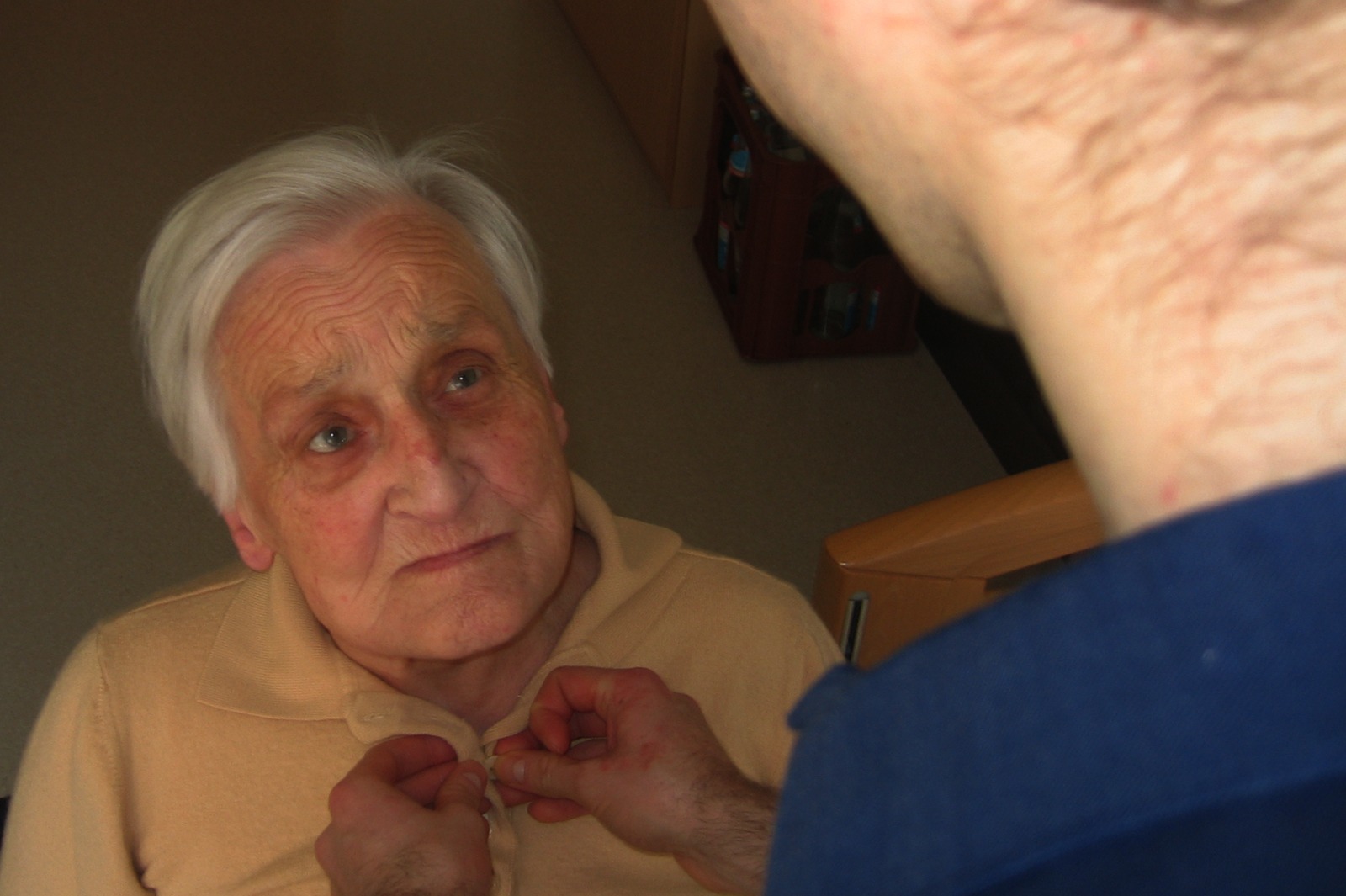
A dementia home safety checklist is most useful when it turns worry into specific observations: which room is risky, which routine is breaking down, and who will follow up after the first fix. The goal is not to make the home look clinical. The goal is to reduce confusion, prevent avoidable injuries, and help the person keep as much dignity and routine as possible.
Start with the risks that can cause harm quickly: wandering, stove use, medication mistakes, falls, weapons, unsafe driving, and missed emergency calls. Then come back to comfort, clutter, labeling, and longer-term care planning. A short, repeatable checklist usually works better than a long list no one has the energy to maintain.
Before You Start
Walk through the home at the times when problems usually happen. Morning routines, dusk, bedtime, and overnight bathroom trips can look very different from a calm midafternoon visit. Notice what the person actually does, not what everyone hopes they will remember to do.
Write down recent incidents in plain language. Examples might include "left the front door open at 9 p.m.," "put the kettle on and walked away," "took Tuesday morning pills twice," or "could not find the bathroom at night." Specific notes help family members, clinicians, and paid caregivers agree on the next step.
If confusion is sudden, much worse than usual, or paired with fever, pain, weakness, dehydration, a fall, fainting, or trouble breathing, contact medical help promptly. A safety checklist should not replace urgent medical evaluation when the change is new or severe.
Doors, Wandering, and Exits
Check every exterior door, garage entry, balcony, and gate. The safest setup helps caregivers notice exits without trapping the person inside during a fire or emergency.
- Add a door chime, contact sensor, or simple bell if leaving unnoticed is a concern.
- Keep a recent photo, clothing description, emergency contacts, and medical information easy to access.
- Consider ID jewelry, a wallet card, or a location device when the person may become lost.
- Tell trusted neighbors what to do if they see the person outside confused or underdressed.
- Keep shoes, coats, bags, and keys away from exit cues if they trigger repeated leaving.
Avoid complicated locks that could block emergency escape. If wandering risk is active, ask the clinician, dementia care specialist, or local aging agency about safe options for your situation.
Kitchen and Fire Safety
The kitchen often needs early attention because dementia can interrupt sequencing, judgment, and short-term memory. Look for burned pans, spoiled food, appliances left on, repeated snacks instead of meals, or confusion about how to use familiar equipment.
- Remove or unplug appliances that are no longer safe to use alone.
- Use stove knob covers, automatic shutoff devices, or supervised cooking if needed.
- Shift toward microwave-safe meals, prepared foods, or meals set up by a caregiver.
- Clear expired food and label safe, ready-to-eat options in the refrigerator.
- Keep knives, matches, lighters, alcohol, and cleaning chemicals secured when judgment is impaired.
- Make smoke and carbon monoxide alarms loud enough and check batteries on a schedule.
If the person insists on cooking, choose the narrowest safe version of the activity. Stirring a dish while someone else manages the stove may preserve participation without relying on memory for fire safety.
Medication and Health Routines
Medication errors are easy to miss until there is a fall, hospitalization, or sudden change in behavior. Check for loose pills, old bottles mixed with current prescriptions, missed refills, duplicate doses, and instructions the person can no longer explain.
- Move from loose bottles to pharmacy blister packs, caregiver-filled organizers, or a locked dispenser.
- Keep discontinued medications out of the home.
- Put the current medication list, allergies, doctors, and preferred pharmacy in one shared place.
- Decide who checks refills, missed doses, and side effects.
- Ask the pharmacist or prescriber whether any medicine could worsen dizziness, confusion, sleep, or falls.
Do not rely on reminders if the person no longer understands the routine. A reminder helps someone who can still act on it. It does not solve a medication plan that now requires supervision.
Bathroom and Fall Risks
Bathrooms combine water, hard surfaces, nighttime urgency, and privacy, so small changes can matter a lot. Watch how the person gets to the bathroom, turns on lights, transfers, bathes, and exits the tub or shower.
- Add bright night lights along the path from bed to bathroom.
- Remove loose rugs and clear cords, baskets, and low furniture from walking paths.
- Install grab bars at the toilet and shower; avoid towel bars as supports.
- Use a shower chair, handheld showerhead, and non-slip surface if bathing is unsteady.
- Keep frequently used items visible and within easy reach.
- Consider a bedside commode if overnight walking is unsafe.
If there has already been a fall, ask about a physical therapy or occupational therapy home safety visit. A therapist can often spot transfer problems and layout issues families miss.
Bedroom, Sleep, and Nighttime Confusion
Nighttime can bring disorientation even when daytime routines seem manageable. The person may wake from a dream, look for a bathroom in the wrong direction, or try to leave for an old work shift or childhood home.
- Use motion night lights, a visible clock, and a simple sign for the bathroom if signs still help.
- Keep the bed height safe for standing and sitting.
- Remove low benches, decorative objects, and extra furniture from the route to the bathroom.
- Place glasses, hearing aids, phone, walker, and slippers in the same location every night.
- Review evening caffeine, alcohol, fluids, and medications with a clinician if nights are worsening.
Track patterns before changing everything. Restlessness at 2 a.m. may call for a different response than confusion at sundown or repeated bathroom trips.
Money, Scams, and Paperwork
Home safety includes financial and legal safety. Dementia can make a person more vulnerable to scams, duplicate bills, unsafe purchases, and pressure from strangers.
- Watch for gift card purchases, unusual withdrawals, unpaid bills, stacks of unopened mail, or new "helpers" asking for money.
- Set up bill payment support with permission when possible.
- Reduce junk calls and consider call blocking for repeated scam attempts.
- Store insurance cards, powers of attorney, advance directives, and emergency contacts where trusted family can find them.
- Talk with an elder law attorney if decision-making capacity or authority is becoming unclear.
Frame money changes as backup and protection. The conversation usually goes better when it is tied to avoiding headaches rather than proving the person made mistakes.
Emergency Readiness
Ask whether the person can call for help, explain their address, unlock the door for responders, and describe basic medical needs. If the answer depends on having a good day, build a backup.
- Post emergency numbers in large print near the main phone.
- Program important contacts into the phone with clear names or photos.
- Keep a medication list, diagnoses, allergies, doctor names, and preferred hospital in an easy-to-find folder.
- Make sure smoke alarms, carbon monoxide alarms, flashlights, and backup phone charging are working.
- Decide who responds if the person misses a check-in or does not answer the door.
For someone who cannot reliably call for help, consider daily in-person checks, an alert system they will actually wear, or more supervised care.
When the Checklist Shows a Bigger Problem
A safer home can reduce risk, but it cannot replace supervision when needs become unpredictable. Repeated wandering, unsafe cooking, missed medication, falls without calling for help, aggressive behavior, severe caregiver exhaustion, or inability to manage basic routines may mean the home plan is no longer enough.
Use thresholds instead of waiting for a crisis. For example, the family might agree that one wandering event, two medication errors, or another stove incident triggers daily supervision, adult day program research, in-home care interviews, or memory care tours.
Common Questions
What should we fix first?
Fix the risk most likely to cause immediate harm. For many families, that means exits, stove use, medications, fall hazards, or emergency response before cosmetic organization.
Are cameras or trackers appropriate?
They can be, but only when they match a specific risk and the family has thought through privacy, consent, and who will respond to alerts. Door sensors, location tools, and cameras are not substitutes for a clear care plan.
How often should we repeat the checklist?
Repeat it after any fall, hospitalization, medication change, wandering event, or noticeable decline. Otherwise, review it monthly or whenever caregivers start relying on constant reminders to keep the day safe.
What if my parent refuses changes?
Start with the least embarrassing change tied to a goal they care about: easier nights, fewer phone calls, less clutter, or staying home longer. When risk is serious, involve the clinician or another trusted professional so the conversation is not only a family argument.