
scenario
Memory Problems at Home
Memory Problems at Home is a common turning point for families. This page should help readers size up the situation quickly and move to the right next step.
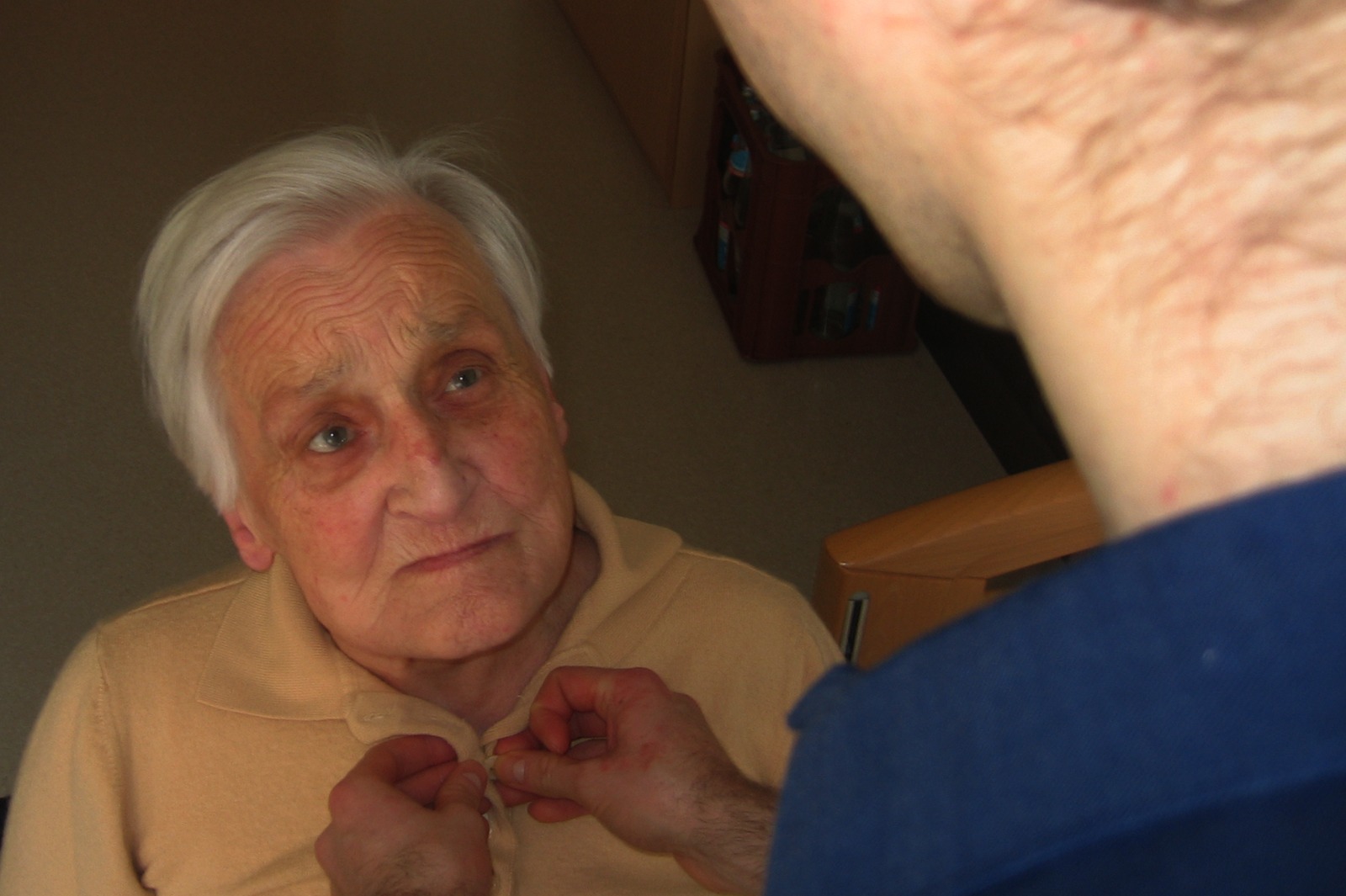
Memory problems at home can start quietly: missed bills, repeated questions, spoiled food, a confusing drive, or a parent insisting everything is fine when the house tells a different story. The goal is not to diagnose the cause yourself. The goal is to notice patterns, lower immediate risk, and get the right medical and practical support in motion.
Some memory changes are gradual. Others are sudden and may point to an urgent medical issue, medication side effect, infection, dehydration, sleep problem, depression, or another treatable cause. Treat a fast change in confusion as a reason to call the doctor promptly, and seek urgent care for severe confusion, weakness, chest pain, trouble breathing, a fall with injury, or symptoms that feel sudden or dangerous.
This guide helps families decide what to check today, what to change at home this week, and when memory problems mean the current living arrangement needs more support.
Start With What Changed
Write down what is different, when it started, and how often it happens. A vague worry like "Mom is getting forgetful" is harder to act on than "Mom missed two doses this week, called three times about the same appointment, and left a pan on the stove on Tuesday."
Look for patterns in five areas:
- Medication: missed doses, double doses, old bottles mixed with current ones, or confusion about instructions.
- Food and fluids: spoiled food, weight loss, skipped meals, unopened groceries, or not remembering whether they ate.
- Safety: stove left on, doors unlocked, falls, getting lost, unsafe driving, or unusual nighttime activity.
- Money and paperwork: unpaid bills, duplicate payments, scam calls, unopened mail, or sudden large purchases.
- Daily routine: missed appointments, poor hygiene, dirty laundry, neglected pets, or trouble following familiar steps.
A written pattern helps the primary care clinician, family members, and paid helpers understand the situation without relying on one emotional conversation.
Make the Home Safer First
Start with the highest-risk moments. If cooking is the concern, simplify the kitchen before buying a broad set of devices. Remove burned pans, unplug rarely used appliances, consider automatic shutoff options, and shift toward prepared meals, microwave-safe foods, or supervised cooking.
If wandering or leaving the house is a concern, check door locks, door chimes, neighbor awareness, ID jewelry, and whether the person can explain where they are going. Avoid creating a setup that traps someone inside during an emergency; when exit risk is real, ask a clinician or dementia care specialist for guidance.
If medication is the concern, move away from loose bottles and memory-based routines. Options include pharmacy blister packs, a locked or timed dispenser, caregiver setup, daily check-in calls, or direct medication administration by a qualified helper. The right level depends on whether the person forgets occasionally or can no longer understand the routine.
Know When to Call the Doctor
Memory problems deserve medical review when they are new, worsening, or interfering with safety. Bring the pattern notes, medication list, recent falls, sleep changes, alcohol use, mood changes, and examples from daily life. Ask whether any medications, infections, pain, dehydration, hearing loss, vision problems, depression, or sleep issues could be contributing.
Call quickly if confusion appears suddenly or is much worse than usual. Families sometimes assume all confusion is dementia, but sudden changes can come from medical problems that need prompt attention.
If the doctor suspects cognitive decline, ask what follow-up makes sense: cognitive screening, medication review, lab work, hearing or vision checks, occupational therapy, social work, neurology, geriatric care management, or community dementia support.
Decide How Much Supervision Is Needed
The key question is whether your parent is safe between visits. A person who forgets a word or repeats a story may still live independently. A person who cannot manage medication, meals, exits, money, or emergency calls may need daily supervision even if they can sound fine on the phone.
Use a simple supervision ladder:
- Low support: weekly check-ins, calendar help, safer home setup, and family review of bills or appointments.
- Moderate support: daily calls, prepared meals, medication packaging, transportation help, housekeeping, and scheduled in-home care.
- High support: someone checks in person most days, manages medication, limits unsafe cooking or driving, and watches for wandering or falls.
- Around-the-clock concern: the person may leave unsafely, needs help at unpredictable times, cannot call for help reliably, or has repeated emergencies.
If the need is moving toward high support, start comparing in-home care, adult day programs, assisted living, and memory care before a crisis makes the decision for you.
Reduce Confusion in Daily Routines
Memory support works best when the routine is visible, simple, and repeated. Put appointments on one large calendar. Keep keys, phone, glasses, hearing aids, and wallet in fixed locations. Use labels on cabinets only where they reduce confusion. Remove extra duplicate items that make choices harder.
For phone calls, create a short contact list with names and photos if possible. Block or screen suspicious calls when scams are a concern. If your parent answers the same question repeatedly, written notes near the phone or calendar may help, but only if they still read and trust the note.
Do not build a plan that depends on the person remembering a new rule. If memory is the problem, the environment and support system need to carry more of the load.
Handle Driving Early
Driving concerns are often one of the hardest parts of memory problems at home. Warning signs include getting lost on familiar routes, new dents, tickets, confusion at intersections, family members feeling afraid as passengers, or a doctor expressing concern.
Approach the issue as transportation planning, not punishment. Line up rides, delivery options, medical transportation, family driving schedules, or community programs before removing keys when possible. If the risk is immediate, involve the clinician, licensing authority, or another appropriate local resource rather than relying only on family persuasion.
The practical question is not whether your parent has always been a good driver. It is whether they can drive safely now, under stress, in traffic, at night, and when plans change.
Watch Money and Scam Risk
Memory problems can make an older adult more vulnerable to scams, duplicate bills, and financial mistakes. Look for unusual withdrawals, unpaid utilities, new "friends" asking for money, gift card purchases, or stacks of unopened mail.
Families can often reduce risk without taking over everything at once. Set up bill autopay where appropriate, monitor accounts with permission, simplify credit cards, freeze credit if needed, and create a rule that large purchases wait for a second conversation. If legal documents are outdated, ask an elder law attorney about powers of attorney and planning before capacity becomes a dispute.
Money conversations go better when they are framed around protection and backup, not blame.
Bring in Help Before the Breaking Point
In-home care can help with meals, errands, supervision, bathing reminders, and companionship, but it needs a clear job description. "Keep Dad safe" is too vague. "Arrive at 4 p.m., make dinner, check the medication dispenser, walk through the house for stove and door safety, and leave notes for the family" is more useful.
Adult day programs can add structure, meals, activity, and respite while keeping the person at home. They can be especially helpful when the person is lonely, restless, or sleeping during the day because there is too little routine.
Assisted living or memory care should be discussed when risk is unpredictable, family supervision is becoming constant, wandering is present, or the person needs help across the day and night. Touring early does not mean moving tomorrow. It gives the family options.
Build a Backup Plan
Memory problems become more stressful when every surprise turns into a scramble. Create a short backup plan that names who responds if your parent misses a call, has a fall, loses keys, seems confused, or does not answer the door. Put emergency contacts, medication lists, allergies, doctors, preferred hospital, and power-of-attorney information in one place that family members can reach.
Also decide what counts as a threshold for changing the plan. For example, two stove incidents, one wandering event, repeated missed medication, or a fall without being able to call for help may mean the family adds daily supervision or starts facility tours.
How to Talk With Your Parent
Lead with specific observations and shared goals. "You forgot again" usually creates defensiveness. "I noticed the stove was left on twice this month, and I want us to make dinner safer so you can stay comfortable here" is easier to hear.
Offer choices where choices are real. For example, "Would you rather try pharmacy packs or a timed dispenser?" is better than asking whether they want any help at all when medication safety is already a problem.
Expect repeated conversations. Memory problems can make insight inconsistent. A parent may agree in the morning and resist by evening. Keep the plan steady, kind, and practical.
What to Review Each Week
Pick a weekly review time with whoever is coordinating care. Look at incidents, missed routines, caregiver workload, and what changed. Keep the notes short enough that family members will actually maintain them.
Ask four questions:
- What happened this week that could have become unsafe?
- Which support worked well enough to keep?
- Which task still depends too much on memory?
- What would make the next seven days safer or calmer?
If the answers are getting more serious each week, the plan needs more support, not more reminders.
Common Questions
Is forgetfulness always dementia?
No. Memory problems can have many causes, including medication effects, sleep problems, depression, infection, dehydration, pain, hearing or vision changes, and dementia. New or worsening memory issues deserve medical review.
What is the first home change to make?
Choose the change tied to the highest-risk pattern. For many families, that means medication setup, stove safety, fall prevention, transportation changes, or a daily check-in routine.
Should we use cameras or tracking devices?
Technology can help, but it should match a specific risk and respect privacy as much as possible. Door alerts, location tools, medication dispensers, and cameras all have tradeoffs. Discuss sensitive monitoring openly when the person can participate, and use the least intrusive tool that addresses the real safety concern.
When is living alone no longer safe?
Living alone becomes concerning when the person cannot manage essential routines, cannot respond to emergencies, wanders, has repeated falls, misuses medication, or needs help at unpredictable times. The decision should be based on observed patterns, not one awkward conversation.
Bottom Line
Memory problems at home call for a practical plan, not panic. Track the pattern, reduce the most immediate risks, get medical input, and decide how much supervision is truly needed between visits.
If the home plan only works when family members constantly rescue it, the plan is too fragile. Add support early, and revisit whether aging in place, in-home care, assisted living, or memory care is the safest next step.