
best
Best Shower Chairs
Families comparing Shower Chairs need a tighter shortlist, simpler criteria, and buying guidance rooted in real home use.
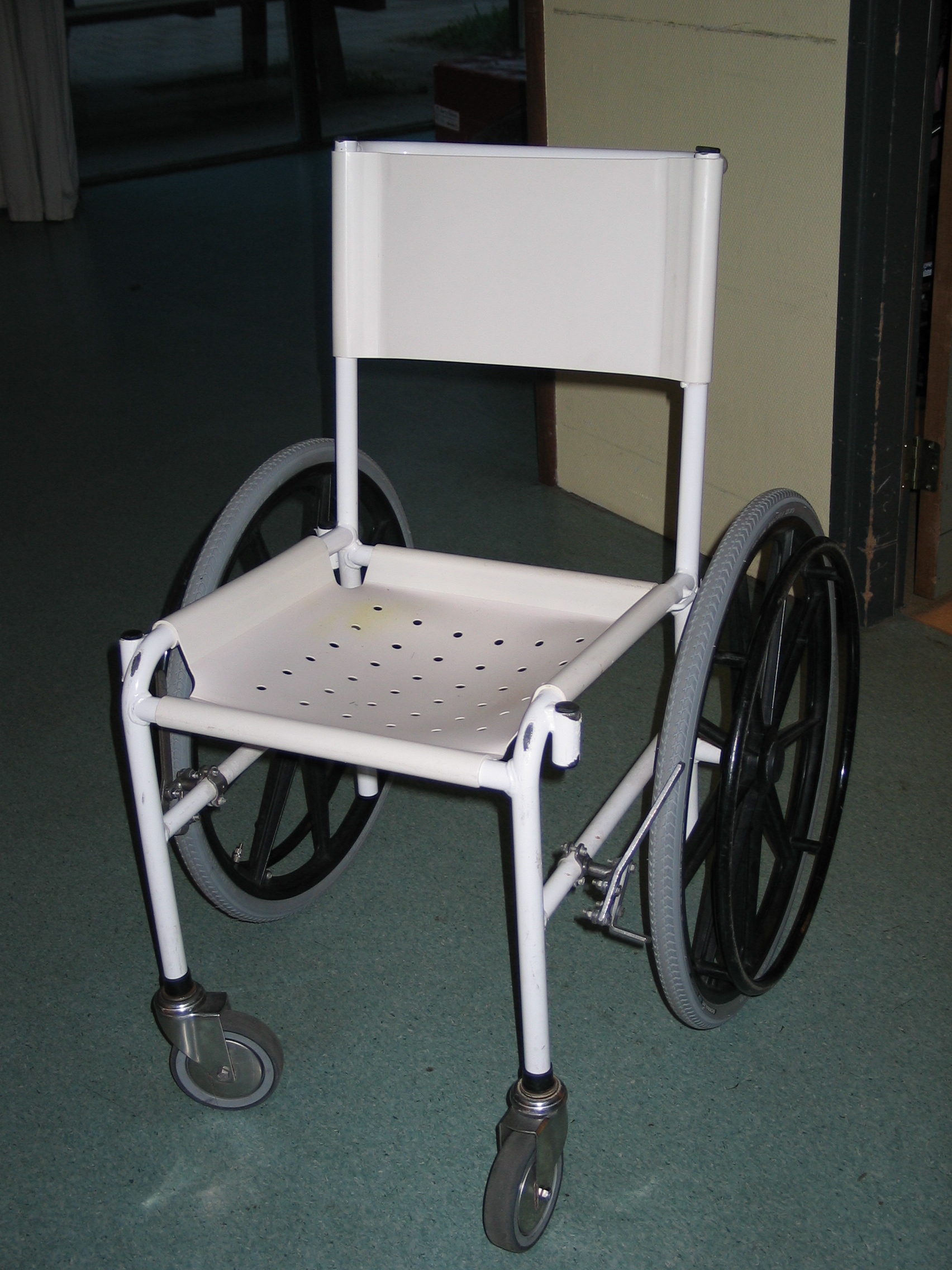
The best shower chair is not simply the one with the highest weight rating or the most handles. It must fit fully inside the bathing area, sit level on the floor, support the user’s body and transfer method, and leave enough room for feet and caregiver assistance. A stable chair that is too wide for the shower—or a compact stool used by someone who needs a back and arm support—can create a new problem instead of solving one.
Our best overall pick is the **Medline Shower Chair with Backrest and Padded Armrests** because its arms provide defined push points, its height adjusts from 16 to 21 inches, and its 350-pound capacity suits many users. The **Drive Deluxe Aluminum Bath Chair** is a simpler, lightweight value choice. The **Carex Compact Round Shower Stool** fits exceptionally tight stalls, while the **Drive Deluxe Bariatric Shower Chair** provides a reinforced 600-pound option. For a person who cannot safely step over a tub wall, the **Platinum Health Carousel** is the most capable choice here because its seat swivels and slides across the threshold.
We compared current manufacturer specifications, manuals, dimensions, capacities, adjustability, transfer design, and published prices. We did not conduct instrumented stability or long-term durability testing, so the rankings are based on documented fit and feature tradeoffs rather than a claim that every model was personally tested. Product details and prices were checked on August 26, 2026 and can change.
Quick Comparison
| Product | Best for | Seat or product dimensions | Published capacity | Price checked | Main compromise | | --- | --- | --- | --- | --- | --- | | Medline Shower Chair with Backrest and Padded Armrests | Most older adults who want arms and a back | 13.5-inch seat depth; 16–21-inch seat height | 350 lb | $60.45 on Medline at Home | Arms can obstruct a sideways transfer | | Drive Deluxe Aluminum Bath Chair RTL12202KDR | Lightweight, straightforward value | 19.25 × 11.5-inch seat; chair weighs 7 lb | 300 lb | Varies by retailer | No armrests; relatively shallow seat | | Carex Compact Round Shower Stool | Very small shower stalls and travel | 13 × 13-inch footprint | 250 lb | Varies by retailer | No back or arms; only for users with good seated control | | Drive Deluxe Bariatric Shower Chair 12029-2 | Higher-capacity support | 16.5 × 16.5-inch seat | 600 lb | Varies by medical supplier | Wider braced frame needs careful measurement | | Platinum Health Carousel Sliding Transfer Bench | Crossing a tub wall while seated | 20–22-inch frame depth; 19–23.5-inch seat height | 330 lb | $279 direct when checked | Expensive and consumes floor space outside the tub |
The listed capacity is only one limit. Check the chair’s actual outside-leg width, seat width and depth, height range, and instructions. Do not choose a chair whose rated capacity barely exceeds the user’s weight; clothing, movement, uneven loading, and caregiver pressure can all affect the setup. Never use a shower chair to carry or lift a seated person unless the manufacturer explicitly designed it for that purpose.
1. Medline Shower Chair With Back and Arms: Best Overall
Medline’s G2-100KHX1 combines the features many users need without turning the chair into a full transfer system. It has a backrest, padded armrests, a rust-resistant aluminum frame, tool-free assembly, and adjustable legs. The seat height ranges from 16 to 21 inches, the seat is 13.5 inches deep, and the published weight capacity is 350 pounds. When reviewed, Medline at Home listed it at $60.45, although the page showed it out of stock; pricing and availability may differ through medical suppliers.
The armrests are the deciding feature. They give a user a consistent place to reach when sitting or standing and can make the seat boundaries easier to perceive. Padding is more comfortable for forearms than bare plastic. A backrest also gives a fatigued user a place to rest between washing tasks. Review the current listing and specifications on Medline’s product page.
Arms are not automatically safer for every transfer. A person moving sideways from a wheelchair, tub bench, or bath lift may find a fixed arm blocks the path. The chair is also deeper and wider at the legs than the seat measurement alone suggests. Before buying, outline the expected leg positions with painter’s tape inside the dry shower and confirm the door can close without striking the chair.
**Choose it if:** the user can step into the shower or already has a level entry, benefits from two armrests and a back, and can sit and rise using the planned handholds.
**Skip it if:** the transfer must happen laterally across a tub wall, the stall cannot accommodate the legs, or the user needs more than 350 pounds of rated capacity.
2. Drive Deluxe Aluminum Bath Chair: Best Lightweight Value
Drive Medical’s RTL12202KDR is a familiar four-leg bath chair with a removable-style back, height-adjustable aluminum legs, and slip-reduction tips. Its seat measures 19.25 inches wide by 11.5 inches deep, the chair weighs 7 pounds, and the manufacturer rates it to 300 pounds. Assembly is tool-free, and the frame is aluminum rather than steel, helping keep it manageable for a caregiver who removes the chair between showers.
The wide, gently contoured seat works well when a user does not need arms and wants more lateral room. Its low weight is also useful in a shared bathroom. The chair can be moved after it dries rather than becoming a permanent obstacle for another household member. Drive publishes the full specifications and owner information on the Deluxe Aluminum Bath Chair page.
The 11.5-inch depth is relatively shallow, and there are no armrests. That makes this a better match for someone with adequate trunk control who can reach a properly installed grab bar—not a user who relies on pulling against the chair. The broad seat also does not mean the legs will fit a narrow or curved tub floor. Measure where all four rubber tips will land.
**Choose it if:** you want a simple, lightweight chair with a back; the user does not need arms; and a 300-pound limit provides adequate margin.
**Skip it if:** the person drops heavily into the seat, needs substantial push-off support, has poor seated balance, or cannot clear the tub wall safely.
3. Carex Compact Round Shower Stool: Best for Small Stalls
The Carex Compact Round Shower Stool occupies just 13 by 13 inches and is rated for 250 pounds. Its round seat and small base are designed for confined bathing areas where a standard chair blocks the door or leaves no room for feet. Tool-free assembly also makes it practical for travel when the destination shower dimensions are known.
Compactness is its strength and its limit. A backless stool allows the user to turn and lets a handheld shower reach from several angles. It can suit someone who stands independently but needs short seated rest periods. Carex provides the current size and capacity on its Compact Round Shower Stool page.
This is not the right product merely because the bathroom is small. A 13-inch seat offers less surface area, no side boundaries, no back support, and no armrests. The user must control their trunk, lower themselves accurately, and avoid reaching beyond the base. A caregiver also needs space to work without bumping the stool. If those conditions are not present, the solution may be a larger shower modification or transfer bench rather than forcing a minimal stool into the stall.
**Choose it if:** the user has good sitting balance, needs occasional rest rather than full bathing support, weighs comfortably below the limit, and the shower cannot accept a regular chair.
**Skip it if:** there is dizziness, poor trunk control, difficulty locating the seat, a need for arm push-off, or a history of sliding from a seat.
4. Drive Deluxe Bariatric Shower Chair: Best High-Capacity Option
Drive’s model 12029-2 uses width and depth cross braces attached with aircraft-style rivets. It has a 16.5-by-16.5-inch seat, a tool-free removable back, height adjustment in one-inch increments, drainage holes, and a published 600-pound capacity. The chair itself weighs 9 pounds. Those specifications make it the strongest conventional chair in this shortlist without moving into a wheeled institutional shower-commode design.
Capacity must be paired with fit. A user may need a wider seat for hip clearance even when well below 600 pounds, while another person may fit the seat but need arms to control a transfer. The cross-braced legs also require a broad, flat footprint. Check Drive’s manufacturer specification sheet and obtain the outside-leg dimensions from the supplier before ordering.
Do not assume “bariatric” resolves every high-support need. This model has no arms, wheels, commode opening, tilt, or caregiver brakes. If a person cannot maintain sitting, needs mechanical lifting, or must be rolled into a wet room, ask an occupational therapist or other qualified clinician to assess a specialized shower chair and the caregiver’s handling plan.
**Choose it if:** a 600-pound rating and reinforced frame are required, the seat dimensions fit the user, and the shower floor accommodates the entire braced base.
**Skip it if:** arm support is essential, the enclosure is narrow, or the person needs a rolling, tilting, or lift-compatible system.
5. Platinum Health Carousel: Best Sliding Transfer Bench
A standard shower chair assumes the user can enter the bathing area before sitting. The Carousel changes that sequence. Its seat swivels through 360 degrees, locks at 90-degree intervals, and slides along rails so a person can sit outside a tub, turn, lift their legs over the wall, and move across while seated. The seat, back, and armrests are padded. The standard model has a 330-pound capacity, a seat-height range of 19 to 23.5 inches, and a frame depth of 20 inches at the highest setting or 22 inches at the lowest.
This design can reduce the need to balance on one leg while crossing a tub wall. It may also reduce twisting for a caregiver compared with manually scooting a person across a fixed bench. The unit can be configured for entry from either side. Platinum Health listed the standard Carousel at $279 when checked, though sale pricing varied across its own pages. Confirm the cart price and specifications on the Carousel product page.
The bench requires much more planning than a chair. Two legs sit outside the tub, the rail crosses the tub wall, and the outer structure occupies bathroom floor space. A sliding glass door track, inward-opening door, vanity, toilet, baseboard, sloped tub floor, or unusually high wall can prevent correct placement. Water can also travel along the bench and curtain gap onto the floor; a split shower curtain or compatible splash solution may be necessary.
**Choose it if:** stepping over the tub wall is the principal hazard, the user can sit before entering, and measurements show the full frame can stand level with an unobstructed slide path.
**Skip it if:** the bathroom lacks exterior floor space, the tub geometry conflicts with the rails, or the user needs a mechanical lift or hands-on transfer plan beyond the product’s instructions.
How to Measure Before Buying
Product returns are inconvenient; bathroom equipment returns can also be restricted after use. Measure the dry space first and save the numbers.
1. **Measure the narrowest entrance.** Record the clear door opening, not the nominal shower-door size. Include handles, tracks, hinges, and a door that swings inward. 2. **Map the floor where the feet will land.** Measure the flat usable width and depth inside the shower or tub. Curved corners and a sloped tub wall do not support a rubber foot. 3. **Measure the user’s seated width and depth.** Use a firm chair and include normal bathing clothing or continence products. The seat should not pinch the hips or leave the thighs unsupported. 4. **Choose a functional seat height.** With feet flat, hips should generally be level with or slightly above the knees unless a clinician recommends otherwise. A higher seat can make standing easier but must not leave the feet dangling. 5. **Check knee and foot clearance.** The user needs space to place both feet under or slightly behind the knees before standing. A toilet or vanity directly in front can block the movement. 6. **Plan the shower stream and controls.** The person should reach the handheld shower and controls without leaning beyond the base. Hot-water controls must not press against the user’s skin. 7. **For a transfer bench, measure outside too.** Include tub-wall height and width, rail clearance, bathroom floor level, toilet location, and the space needed to rotate or slide.
If the bathroom is unusually shaped, photograph it and create a dimensioned sketch for the supplier or occupational therapist. Do not place a chair with one leg on a bath mat, drain edge, tub curve, or different floor level to make it “almost fit.”
Match the Chair to the Transfer
Step-in shower or level entry
A four-leg chair with a back and arms often works when the user can walk into the shower with appropriate support, turn, and sit. The chair should face the direction that requires the least twisting and leaves the controls reachable. A threshold still needs to be crossed deliberately; the chair does not help with that step.
Tub-shower combination
If lifting a foot over the tub wall is unsafe, placing a regular chair inside the tub does not solve the dangerous part. A fixed or sliding transfer bench lets the user sit outside first. Select the bench based on bathroom clearance, transfer direction, strength, and whether caregiver assistance is required.
Small shower stall
A stool can preserve space, but remove the back and arms only when the user’s balance and transfer ability support that choice. Sometimes a wall-mounted folding seat or a renovation to create a level entry is the more appropriate long-term answer. Installation of a wall-mounted seat must be into structure rated for the expected load, not just tile or drywall.
Wheelchair or hands-on transfer
Seat heights should be compatible, and any arm in the transfer path may need to swing away or be removed according to the manual. A caregiver should not improvise a lift by pulling on a loose shower chair. An occupational or physical therapist can observe the actual transfer, recommend equipment, and train both people before a fall or back injury occurs.
Setup and Safety Check
Assemble the chair exactly as the manufacturer directs. Make sure push buttons protrude fully through matching holes, legs are set to equal heights unless the manual specifically permits compensation, the back is oriented correctly, and rubber tips are intact. Hand-tightened parts should be checked without overtightening plastic components.
Place the chair on the bare bathing surface—not on a loose towel or movable bath mat. Press down on each corner before every use. The chair should not rock, twist, or slide. Run water over the setup and confirm that pooled water drains rather than making the seat or surrounding floor slick.
Do the first transfer while the area is dry and a capable helper is present. Practice approaching, turning, reaching for the intended support, sitting slowly, placing feet, and rising. A towel bar, shower-door frame, soap dish, faucet, and portable chair back are not substitutes for a properly installed grab bar. The person should not pull upward on the shower chair unless its instructions specifically support that use.
After bathing, rinse soap from the seat and tips, then let all surfaces dry. Inspect periodically for cracks, bent tubing, corrosion, loose fasteners, torn padding, missing push buttons, or hardened rubber feet. Replace damaged parts with manufacturer-compatible components. Stop using a chair that rocks or has a structural defect.
Arms, Back, Padding, and Cutouts
**Armrests** create a clear push surface and can support controlled sitting, but they narrow usable width and may block lateral transfers. Removable or swing-away arms offer flexibility only if their locks are simple and secure.
**Backrests** help with fatigue and limited trunk endurance. They also take space and can encourage leaning when the chair is not positioned for that load. A backless stool is easier to maneuver around but demands better seated balance.
**Padding** feels warmer and can reduce pressure on prominent bones, yet seams and textured surfaces require thorough drying and cleaning. Confirm the material is intended for repeated water exposure and inspect it for damage.
**Hygiene cutouts** can improve access for assisted washing but reduce seat surface and may create pressure at the opening. They are not universally more comfortable. A clinician can help select the right design for a user with fragile skin, impaired sensation, or significant positioning needs.
Common Buying Mistakes
- **Shopping by seat width alone.** The feet and cross braces are often wider than the seat.
- **Treating capacity as a quality score.** A 600-pound chair is not inherently better for a 150-pound user if it does not fit the stall or transfer.
- **Choosing a stool to save space despite poor balance.** Small dimensions cannot compensate for missing support.
- **Using a shower chair to solve a tub-wall problem.** The risky step occurs before the person reaches the chair.
- **Relying on suction feet as permanent anchors.** Tips reduce movement but do not attach the chair to the floor; soap, texture, wear, and uneven placement matter.
- **Setting the seat too low.** Deep knee and hip flexion can make standing much harder.
- **Assuming arms are always helpful.** Fixed arms can block a wheelchair or sideways transfer.
- **Skipping a trial transfer.** The first attempt should not happen on a wet surface when the person is tired and undressed.
Frequently Asked Questions
Does a shower chair prevent falls?
It can reduce the time a person stands on a wet surface, but it cannot prevent every fall. Entry, turning, reaching, sitting, standing, and leaving the shower still require a safe setup and appropriate assistance. Combine the chair with adequate lighting, a handheld shower, non-slip flooring, correctly placed grab bars, and a transfer plan matched to the person.
Is a shower chair or transfer bench better?
A shower chair is compact and works when the user can safely enter the shower or tub before sitting. A transfer bench extends outside a tub so the user can sit first and move across the wall while seated. The latter uses more room but addresses a different hazard. Choose around the transfer, not around which product looks less medical.
Should a shower chair have arms?
Arms help some users lower and push up in a controlled way. They can be harmful to fit or block a lateral transfer for others. Consider shoulder strength, seated width, the direction of transfer, and the location of a structural grab bar. Removable arms may help a changing situation, provided they lock securely.
Can the chair sit partly on a bath mat?
No. All feet should contact the same firm, level bathing surface as directed by the manual. A loose mat under one or more legs can shift or create uneven loading. If the floor itself is irregular or the chair rocks, stop and find a compatible design rather than shimming it.
When is professional help warranted?
Ask for an occupational or physical therapy assessment when there has been a recent fall, major weakness, dizziness, one-sided impairment, poor trunk control, a painful transfer, caregiver lifting, or uncertainty about tub access. Sudden loss of strength or balance also deserves medical evaluation rather than only a new chair.
Bottom Line
For a typical level-entry shower, the Medline chair’s back, padded arms, height range, and 350-pound rating offer the most broadly useful combination. Choose the lighter Drive chair when arms are unnecessary, the Carex stool only when space is tight and sitting balance is good, and the reinforced Drive bariatric model when verified capacity and dimensions require it. If the tub wall is the main obstacle, move to a transfer design such as the Carousel instead of asking a conventional chair to solve the wrong problem.
Measure first, test the transfer dry, and reassess after any change in strength, balance, pain, cognition, or caregiver support. The safest product is the one that fits the room and the person on an ordinary, tired day—not merely the one with the best-looking specification sheet.