
best
Best Medication Reminder Devices
Families comparing Medication Reminder Devices need a tighter shortlist, simpler criteria, and buying guidance rooted in real home use.
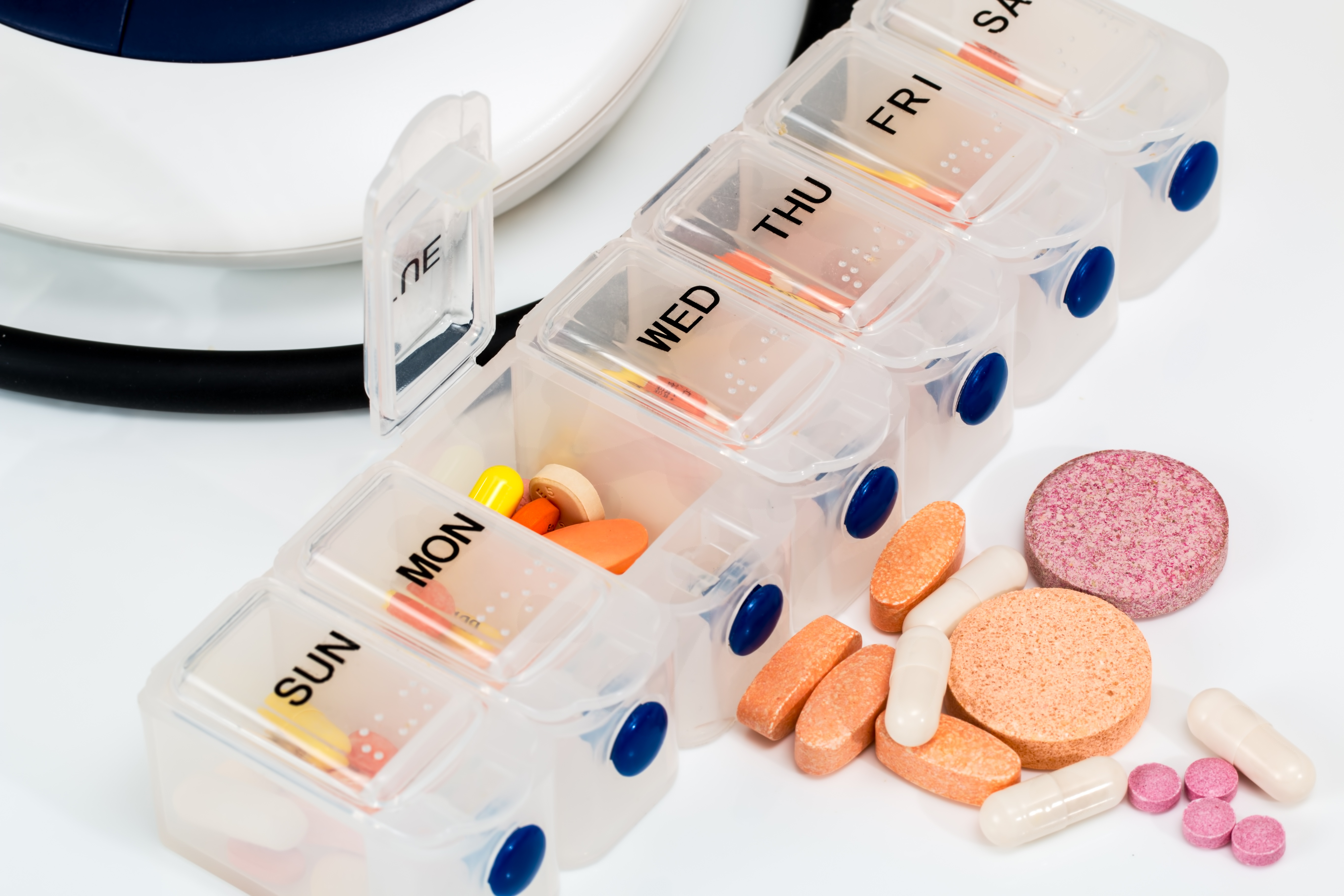
The best medication reminder device is the simplest one that solves the actual failure in a person's routine. Someone who fills a weekly pillbox correctly but loses track of lunchtime may need only a repeating alarm. Someone who opens tomorrow's compartment early may need a locked, rotating dispenser. A family managing ten prescriptions from another city may need automatic sorting and missed-dose alerts.
That distinction matters. A louder reminder cannot correct pills placed in the wrong compartment, and a $2,500 dispenser is unnecessary when a $20 timer and a well-filled organizer work reliably. This guide compares five useful levels of support, from a pocket alarm to connected bulk dispensers. It also explains what each device cannot do, because a product can record that a compartment opened without proving that the person swallowed the medication.
Prices and plan terms below were checked on August 23, 2026. They can change, so confirm the total cost, return policy, connectivity requirements, and replacement terms before ordering.
Our Shortlist at a Glance
| Device | Best for | What it does | Price when checked | Main limitation | | --- | --- | --- | --- | --- | | TabTime Timer | A reliable routine that needs a portable prompt | Sounds up to eight repeating daily alarms | £14.99 sale price | Does not hold, lock, or track pills | | MedReady 1700 | Preventing access to future doses without an app | Rotates one of 28 prefilled compartments into reach | $149 | A caregiver must sort and refill it; no remote alerts | | MedReady MR-357 | Families wanting a straightforward monitored carousel | Adds cellular missed-dose monitoring to a 28-dose tray | $297 plus monitoring | Limited to four dispensing times per day and compartment capacity | | Hero | Complex pill schedules with remote caregiver oversight | Bulk-stores, sorts, dispenses, and tracks up to 10 pills | $29.99–$59.99 per month depending on commitment | Subscription, Wi-Fi, compatible pills, and device return are required | | MedaCube 2.0 | High-complexity regimens and long-term ownership | Bulk-stores up to 16 medications and supports up to 20 schedule times | $2,499 sale price | Very high upfront cost and a large countertop footprint |
These devices are not interchangeable. The first question is not “Which one has the most features?” It is “Who verifies the medication list and fills the device, what mistake are we trying to prevent, and who responds when a dose is late?”
Best Simple Reminder: TabTime Timer
The TabTime Timer is a small standalone alarm rather than a pill organizer. It can store up to eight daily alarm times, repeats them each day, and sounds for one minute until a button is pressed. Its stand, clip, and hanging options make it easier to place where the routine happens rather than leaving a phone in another room.
This is the right starting point for a person who can identify and take the correct medicine independently but needs a consistent prompt. It is also useful when phone notifications are too easy to swipe away, a smartphone is not part of the person's routine, or the reminder must travel in a purse or pocket.
The limitation is equally clear: pressing the button acknowledges the alarm, not the dose. The timer cannot prevent double dosing, reveal whether a pillbox was filled correctly, notify a daughter across town, or restrict access to as-needed medication. Pair it with a pharmacist-reviewed pill organizer only when the person can still use that organizer safely.
**Best fit:** Independent users with a stable, already-organized regimen and no history of opening the wrong dose.
**Skip it when:** The person confuses days, takes pills early, cannot hear a one-minute alarm, or needs caregiver follow-up after a missed dose.
Best No-Subscription Locked Dispenser: MedReady 1700
The MedReady 1700 is a locked carousel with 28 dose compartments. At each programmed time, the internal tray rotates the correct compartment to the opening and an alarm sounds. It can dispense one to four times daily, and each compartment holds roughly nine pills the size of an M&M, according to MedReady. The package includes a locking lid, two keys, an AC adapter, rechargeable backup battery, and loading templates for three- or four-times-daily schedules.
This design solves a specific problem better than a standard weekly box: only the current compartment is presented. Future doses remain behind the locked cover. There is no app, account, Wi-Fi setup, or monthly fee on the base model. The $149 listed price makes it a practical step between a basic organizer and a connected service.
Its simplicity shifts work to the caregiver. Someone must place every dose into the correct slot, program the times, keep the key secure, and refill the tray as often as the schedule requires. At four doses per day, 28 compartments cover one week; at one dose per day, they cover four weeks. Bulky pills may exceed a compartment's capacity. The standard 1700 also cannot tell a remote caregiver that the alarm timed out.
Consider the 1700FL version if a flashing light would help someone with hearing loss, but do not assume a visual alert works if the device is outside the person's line of sight. Test the alarm from the rooms where the person normally spends dose time.
**Best fit:** A local caregiver can fill the tray accurately, while the user needs future doses locked away and can retrieve the presented cup.
**Skip it when:** The schedule exceeds four times daily, pills do not fit, nobody can refill consistently, or the family needs an alert when medication is not removed.
Best Straightforward Monitored Carousel: MedReady MR-357
The MedReady MR-357 uses the same general 28-dose carousel approach but adds cellular monitoring. MedReady listed it at $297, or $307 with a flashing-light alert, when we checked. The monitored model is intended to notify designated contacts when the dose is not removed during the alarm window.
For many families, this is the useful middle ground. It restricts access to later compartments and creates an escalation signal without asking the older adult to navigate a touchscreen or maintain a home Wi-Fi connection. It also avoids the large upfront cost of a bulk-sorting machine.
Before buying, confirm the current monitoring charge, cellular coverage at the exact home address, who can receive alerts, and how quickly an alert is sent. Decide what happens next: one missed-dose text might prompt a phone call, while repeated misses may require an in-person check or a clinician's review. Alerts without an agreed response plan tend to create anxiety rather than safety.
The MR-357 still depends on accurate manual filling, and the carousel's four-times-daily and per-compartment limits remain important. Cellular monitoring can show that a dose was not retrieved on time; it cannot prove why, assess symptoms, or safely decide whether a late dose should be taken.
**Best fit:** A caregiver can prefill the device, wants missed-dose notifications, and prefers a purpose-built cellular device over a Wi-Fi app ecosystem.
**Skip it when:** The person frequently changes locations, cellular service is weak, the regimen changes often, or manual sorting is the main source of errors.
Best Subscription System: Hero
The Hero smart dispenser bulk-loads as many as 10 compatible medications and automatically assembles scheduled doses. Hero says it can hold up to a 90-day supply, depending on pill quantity, and its app can track up to 10 additional items that remain outside the machine, such as liquids, injectables, gummies, and some split pills. At dose time, the unit uses sound, light, and an on-screen message; the user presses a button and removes the dispensed cup.
Caregiver features are the main reason to choose Hero over a non-connected carousel. The app can report late or missed doses, send low-pill alerts, change schedules, and apply passcodes or dispensing limits. This can reduce weekly compartment sorting for a family handling several prescriptions and can provide useful visibility between visits.
Hero is a service, not a device purchase. Its published self-pay plans were $29.99 per month prepaid annually, $44.99 per month with a one-year commitment billed monthly, or $59.99 month-to-month. The dispenser, app, support, and warranty coverage are tied to an active subscription, and the device must be returned after cancellation. Compare the full 12-, 24-, and 36-month cost rather than only the lowest advertised monthly number.
There are practical constraints. Hero requires power, a compatible smartphone for setup and management, and 2.4 GHz Wi-Fi. Pills must meet its compatibility requirements; items kept outside the machine receive tracking and reminders but are not physically dispensed. A caregiver or capable user must still load each medication into the correct cartridge, reconcile refills, and visually check the cup before taking it.
Hero is strongest when automatic sorting and remote information solve real problems every day. It is poor value if the person takes only two medications once each morning, dislikes connected devices, has unreliable internet, or will not press the dispense button.
**Best fit:** Multiple compatible pills, a stable countertop location and internet connection, and a remote caregiver who will actively use alerts and reports.
**Skip it when:** Monthly fees are unacceptable, Wi-Fi is unreliable, most medications are liquids or split pills, or the person cannot complete the retrieve-and-take step.
Best High-Capacity System Without a Monthly Fee: MedaCube 2.0
The MedaCube 2.0 is the premium ownership option in this group. Its individual bulk bins hold up to 16 medications and potentially a 90-day supply. The touchscreen can support up to 20 customizable daily schedule times, including controlled access to some as-needed medications. The machine locks stored pills, dispenses a scheduled combination into a drawer, and can send caregivers late- or missed-dose texts when it is online.
Unlike Hero, MedaCube is purchased outright and the manufacturer advertises no monthly software or support fee. That can make sense for a complex regimen used over several years. However, the sale price was $2,499 when checked, with a one-year limited warranty included and paid extended coverage offered separately. At roughly 10 inches in each dimension, it also needs a stable countertop position near power and a usable internet connection for remote notifications and updates.
Capacity is MedaCube's clearest advantage. Sixteen bins and flexible scheduling can accommodate regimens that exceed a four-times-daily carousel or Hero's ten internal medications. Its large touchscreen and custom voice reminders may also be easier for a person who responds better to an explicit on-device instruction.
Do not let capacity substitute for a fit assessment. The touchscreen interaction, noise, dispense drawer, loading process, remote portal, and backup-power behavior should all be demonstrated to the actual user. Ask what happens if the internet goes down, a pill jams, the power is out for an extended period, or a prescription changes the day after a 90-day refill. Confirm which pill forms are excluded and whether the return window gives enough time for a realistic home trial.
**Best fit:** A complex, stable pill regimen; a caregiver who wants bulk loading and alerts; and a household prepared for a major upfront purchase.
**Skip it when:** The needs may change soon, the user struggles with the touchscreen or drawer, counter space is tight, or the family cannot justify the ownership cost.
How to Choose the Right Level of Support
1. Identify the failure, not just the diagnosis
Observe two or three ordinary dose times. Is the problem remembering, sorting, opening packaging, reading labels, distinguishing morning from evening, or resisting extra doses? A person with arthritis may need easy access but no cognitive prompt. A person with memory loss may hear an alarm and still choose the wrong bottle. Those situations call for different devices.
Write the target in one sentence: “Dad needs a prompt at lunch,” “Mom must not reach tomorrow's pills,” or “I need to know when the evening dose remains in the machine.” If a feature does not address that sentence, it should carry little weight in the purchase.
2. Map every medication form
Make a complete list with the pharmacist or prescribing team: scheduled pills, half-tablets, blister packs, liquids, powders, refrigerated items, injections, and as-needed medicines. Note dose times and special instructions such as “with food.” Bulk dispensers do not accept every size or form, and a machine that manages eight tablets may still leave the hardest medication outside it.
Never combine pills in a new device based only on appearance or an old list. Ask the pharmacist whether each medication can be removed from its original packaging and stored in the selected organizer. Heat, humidity, light, and child-resistant packaging can matter.
3. Assign the human jobs
Every option needs a person to maintain it. Name who will reconcile the current list, fill or load the device, check remaining supply, respond to alerts, and arrange backups during travel or outages. For a manual carousel, filling accuracy is critical. For a connected bulk dispenser, cartridge loading and app changes are critical.
If nobody can perform those jobs reliably, ask the pharmacy about adherence packaging, synchronized refills, delivery, or other medication-management services. A sophisticated dispenser does not repair an unreliable supply chain.
4. Test hearing, vision, dexterity, and comprehension
An alarm advertised as loud may be inaudible from the bedroom. Flashing lights are ineffective behind the user. Small buttons, stiff cups, locks, and touchscreens can be barriers for tremor, low vision, neuropathy, or arthritis. Have the person perform the entire sequence: notice the cue, approach the device, release the dose, inspect it, take it, and record completion.
Avoid demonstrating only once while coaching every step. A useful trial includes a tired morning, an evening dose, and a time when the caregiver is not standing nearby.
5. Compare total cost and failure modes
For subscriptions, calculate the commitment-period cost and ask what must be returned. For purchased devices, include monitoring, cellular service, accessories, replacement trays, extended warranty, and expected life. Check whether an HSA/FSA card is accepted, but verify eligibility with the plan administrator. Coverage through Medicare, Medicaid, the VA, or a local aging program varies; do not assume reimbursement because a product is described as a medical device.
Then plan for failure. Keep an up-to-date medication list and pharmacy numbers accessible. Learn the manufacturer's power-outage and emergency-access procedure before locking pills inside. Do not improvise a missed dose or take two doses together unless a pharmacist or prescriber has given instructions for that specific medication.
What Medication Devices Cannot Safely Decide
A reminder or dispenser can make a routine more consistent, but it cannot determine whether a new symptom is a side effect, whether two prescriptions interact, or whether a late dose is safe to take. It may record that a compartment opened or a cup was removed without confirming ingestion. It also cannot recognize that the wrong pill was loaded into the correct bin.
Sudden confusion, unusual sleepiness, trouble breathing, chest pain, fainting, severe weakness, signs of an allergic reaction, or a suspected overdose need urgent professional help—not another device alert. In the United States, call 911 for an emergency and Poison Control at 1-800-222-1222 for suspected poisoning or dosing errors. For non-emergency missed-dose questions, contact the pharmacist or prescriber rather than guessing.
A Practical Buying Decision
Start with the least complicated option that closes the safety gap:
- Choose a **standalone timer** when the pills are already organized correctly and only the cue is missing.
- Choose a **locked, unmonitored carousel** when future doses need to stay inaccessible and a caregiver can refill locally.
- Choose a **monitored carousel** when the same locked schedule is appropriate but someone also needs missed-dose alerts.
- Choose **Hero** when several compatible pills need automatic sorting and the family values app-based oversight enough to support a subscription.
- Choose **MedaCube** when capacity, complex schedules, and long-term ownership justify a much larger upfront investment.
Whichever device you choose, keep the old routine available during setup, confirm the loaded schedule against the current pharmacy list, and review performance after one week. Count late or missed doses, false alarms, caregiver interventions, and refill time. A device is successful when it reduces errors and caregiver effort without creating a new routine the older adult cannot manage.