
scenario
Just Discharged from Hospital
Just Discharged from Hospital: check the discharge papers, medications, mobility plan, bathroom setup, follow-up appointments, and who to call if symptoms change.
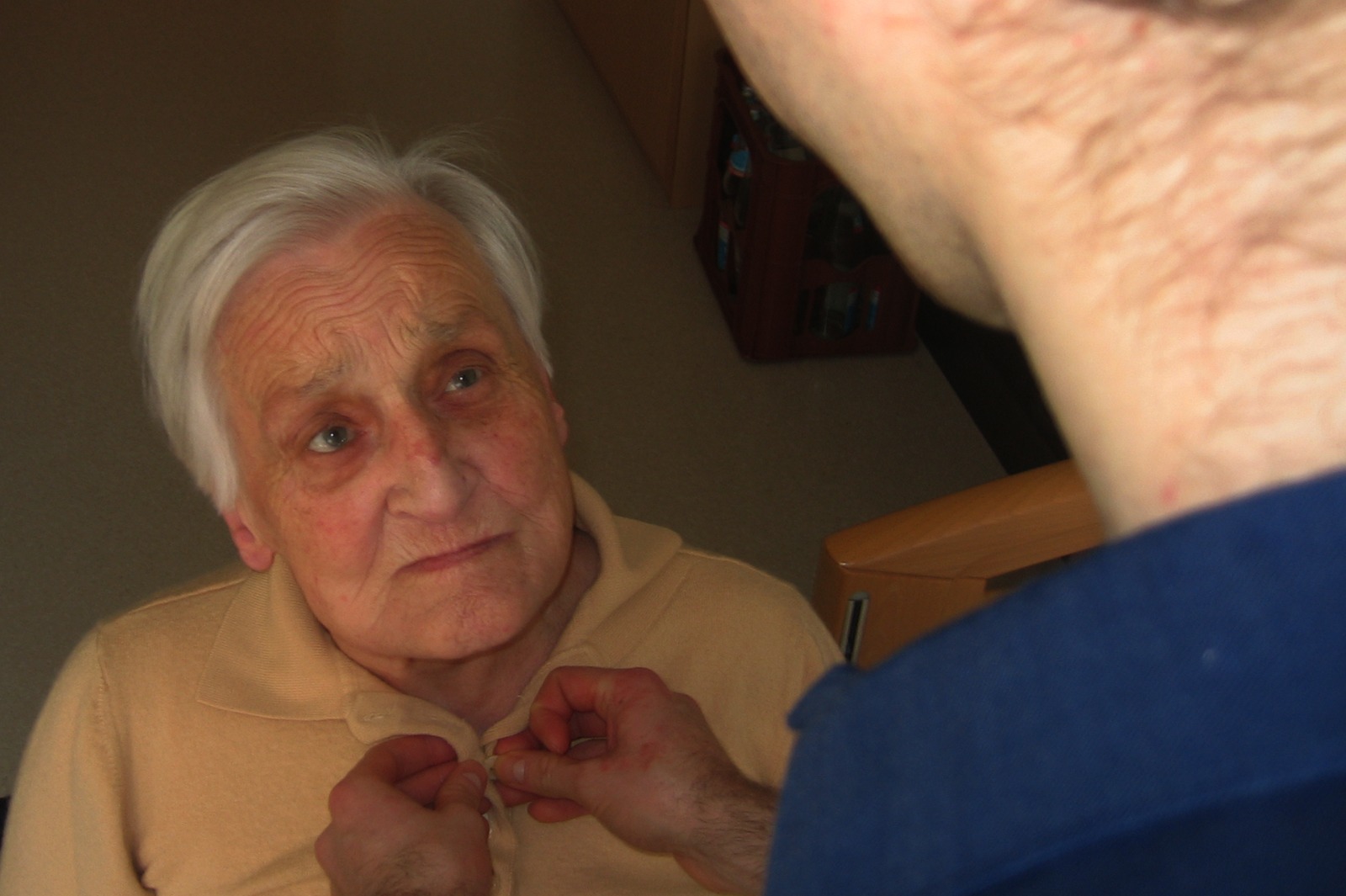
The first days after a hospital discharge can feel strangely busy and fragile. The older adult may be medically cleared to leave, but the family is suddenly managing new medications, follow-up appointments, weakness, wound care, diet changes, mobility limits, and the ordinary realities of getting to the bathroom at 2 a.m.
Use this guide to organize the first 72 hours at home. It is not a replacement for the discharge instructions. It is a caregiver-focused way to turn those instructions into a safer routine, with clear next steps and fewer missed details.
Why This Topic Matters
Hospital discharge is a transition, not a finish line. Many problems show up after the person is back in their own bed: dizziness when standing, confusion about pills, trouble showering, pain that changes, equipment that does not fit, or a follow-up visit no one scheduled.
Families are also tired by this point. The caregiver who asks good questions in the hospital may still get home and realize the walker is in the wrong room, the prescription was not filled, or the bathroom path is harder than expected.
The safest approach is to stabilize the basics first: medication accuracy, fall prevention, hydration and meals, toileting, symptom monitoring, and a reliable way to reach medical help.
Before You Leave the Hospital
If discharge is still in progress, slow the handoff down. Ask the nurse, discharge planner, or case manager to point to the specific paperwork that explains diagnosis, medication changes, activity limits, wound care, diet, equipment, home health, and follow-up appointments.
Before leaving, make sure you know:
- Which symptoms mean call 911, which mean call the doctor, and which can wait for the next appointment.
- Which medications are new, stopped, changed, or temporary.
- Whether prescriptions were sent to the correct pharmacy and when they should be started.
- Whether the person can climb steps, shower, drive, cook, drink alcohol, or be left alone.
- Who is arranging home health, therapy, oxygen, a walker, wound supplies, or other equipment.
- The date, time, location, and purpose of each follow-up appointment.
If anything is unclear, ask before walking out. It is easier to clarify instructions while the hospital team still has the chart open.
First-Hour Home Check
The first hour at home is for safety, not unpacking everything perfectly. Help the person get settled, then look at the routes they will use before bedtime: entryway to chair, chair to bathroom, bed to bathroom, and kitchen or medication area.
Clear the walking path, remove loose rugs, move cords, set up good lighting, and place the walker or cane where it will actually be used. If stairs are unavoidable, decide who will assist and whether the person should limit trips until a therapist reviews the setup.
Put essentials within reach: phone, charger, water, glasses, hearing aids, tissues, medication list, call bell or alert button, and the discharge packet. If the person might need help overnight, decide how they will call and who will answer.
Medication Reconciliation
Medication confusion is one of the biggest post-discharge risks. Do not simply add the hospital prescriptions to the old pill organizer.
Use the discharge medication list as the starting point. Compare it with every bottle at home, including vitamins, over-the-counter sleep aids, pain relievers, allergy medicines, and supplements. Set aside anything that was stopped until a clinician confirms what to do with it.
Call the pharmacy or prescribing office if two medicines look similar, if doses changed, if a prescription is missing, or if the person cannot afford or tolerate a medicine. Ask specifically about dizziness, sleepiness, bleeding risk, constipation, appetite changes, and when to take medicines that affect blood pressure or urination.
For the first week, keep a simple medication log. Write down what was taken, when it was taken, and any symptom that appeared afterward. This is especially useful if several family members are helping.
Mobility and Fall Prevention
Weakness after hospitalization is common. Even a short stay can make walking, bathing, and standing from a chair harder than they were before.
Watch the first few transfers closely. Can the person stand from the bed, toilet, and favorite chair without pulling on unstable furniture? Can they use the walker correctly in tight spaces? Are they dizzy when standing? Are they trying to carry items while using a cane or walker?
For the first days, prioritize bathroom safety, night lighting, footwear, clutter removal, and reachable support. If the person is unsteady, ask about physical therapy, occupational therapy, or home health rather than relying on reminders alone.
Equipment and Supplies
Discharge equipment often arrives in pieces. A walker may come home with the person, while a commode, shower chair, oxygen supplies, wound dressings, or hospital bed may depend on a separate delivery. Write down what was promised, who ordered it, and which phone number to call if it does not arrive.
Do not assume equipment is safe just because it is present. Adjust walkers to the right height, check rubber tips, make sure brakes work on rollators, and confirm that bedside commodes or toilet frames do not wobble. If oxygen is prescribed, ask the supplier to explain tubing length, backup tanks, cleaning, power outage planning, and fire safety rules.
For wound care, catheter care, injections, or monitoring supplies, create one clean storage area. Keep instructions, gloves, dressings, sharps containers, log sheets, and phone numbers together so the caregiver is not searching during a stressful moment.
Bathing, Toileting, and Dressing
Many families underestimate personal care after discharge. A person may be able to walk across the room but still be unsafe stepping into a tub, bending to dress, reaching behind their back, or managing clothing quickly enough before toileting.
For the first shower, consider waiting until instructions allow it, the person is rested, and another adult is nearby. Use a shower chair, hand-held shower, non-slip surface, and towels within reach when appropriate. If there are incisions, dressings, ports, or medical devices, follow the discharge instructions before getting anything wet.
Toileting deserves its own plan. Urgency, constipation, new diuretics, pain medicine, and weakness can all create risk. A raised toilet seat, toilet safety frame, bedside commode, urinal, or scheduled bathroom reminders may be temporary but useful while strength returns.
Food, Fluids, and Basic Care
Discharge instructions may include a special diet, fluid limit, swallowing precautions, blood sugar plan, bowel routine, or weight monitoring. Put those instructions where the person who prepares food can see them.
Pay attention to appetite, nausea, constipation, diarrhea, urination, swelling, and pain control. A person who is not eating or drinking normally can become weaker quickly, and constipation can worsen pain, confusion, appetite, and mobility.
If there is wound care, oxygen, drains, catheter care, injections, or blood pressure or glucose monitoring, ask one person to own the written schedule. Shared responsibility is fine, but the plan needs one place where missed steps are visible.
Follow-Up Appointments and Calls
Before the first night is over, confirm the follow-up plan. Many discharge papers say to schedule an appointment within a certain number of days, but the appointment may not actually be booked.
Call the primary care office or specialist if instructions are unclear, if symptoms are changing, or if the appointment timing seems unrealistic. Tell them the person was just discharged, the diagnosis, and the specific concern.
Keep a small discharge folder or envelope with the medication list, hospital summary, appointment list, home health contact, insurance cards, and questions. Bring it to every follow-up visit.
Preparing for the First Follow-Up Visit
The first follow-up visit is more useful when the family brings specifics. Before the appointment, write down medication questions, pain levels, falls or near falls, appetite, bowel changes, sleep, confusion, wound concerns, swelling, and any task the person cannot do safely at home.
Bring every medication list you have, or bring the bottles if the office requests it. Include over-the-counter medicines and supplements because they can interact with prescriptions or increase dizziness, bleeding, constipation, or sleepiness.
Ask what recovery should look like over the next week. Families often need concrete thresholds: how much walking is expected, what pain is acceptable, when appetite should improve, when therapy should start, and which symptom means the plan is not working.
Warning Signs After Discharge
Follow the hospital's specific instructions first. In general, seek urgent help for chest pain, trouble breathing, signs of stroke, severe weakness, fainting, uncontrolled bleeding, severe confusion, a fall with injury, or symptoms the discharge paperwork labels as emergency warning signs.
Call the clinician promptly for fever, worsening pain, vomiting, new or worsening swelling, wound redness or drainage, medication side effects, repeated dizziness, missed critical medication, inability to eat or drink, new confusion, or a decline in walking.
When in doubt, use the discharge phone number, nurse line, primary care office, or emergency services according to the seriousness of the symptom. The family should not have to guess alone.
A Practical 72-Hour Plan
Day one is for safe arrival, medication reconciliation, bathroom access, meals, hydration, and knowing who to call. Keep the plan simple and write down anything that does not work.
Day two is for follow-up calls, filling missing prescriptions, confirming home health or therapy, and adjusting the home setup based on what happened overnight.
Day three is for deciding whether the current help level is enough. If the person needs hands-on assistance every time they stand, cannot manage toileting safely, or is confused about medicines, the family may need more support than originally planned.
When More Help Is Needed
More help may mean a family schedule, home health, private-duty caregiving, therapy visits, meal support, transportation, medication packaging, or a temporary stay with someone who can supervise recovery.
Treat caregiver strain as part of the discharge plan. If one person is expected to manage medications, lifting, bathing, meals, transportation, and overnight calls, the setup may fail even if the medical instructions are correct.
Ask for help early if the person is unsafe alone, if the caregiver cannot sleep, if instructions are too complex to manage, or if family members disagree about the level of risk. A discharge planner, primary care office, home health agency, or care manager can help translate the situation into services.
Questions to Ask as a Family
- Who is the main contact for the medical team this week?
- Who fills and checks the medications?
- Who handles transportation to follow-up visits?
- Can the person get to the bathroom safely during the day and at night?
- What symptom or situation means we call for help immediately?
- Is someone checking in daily until the first follow-up appointment?
- What task is too hard for the current caregiver setup?
What to Track
For the first week, track medication doses, pain, appetite, fluid intake if relevant, bowel movements, sleep, falls or near falls, confusion, wound changes, swelling, weight if instructed, and questions for the next appointment.
This does not need to be complicated. A notebook page, shared note, or printed checklist is enough. The value is in noticing patterns early and giving clinicians specific information if something changes.
What Success Looks Like
Success after discharge does not mean everything feels normal right away. It means the person can rest, eat, take medicines correctly, move through essential routines with an acceptable level of help, and reach medical support if symptoms change.
The first plan may need adjustment. That is expected. Keep the parts that reduce risk, fix the parts people avoid, and ask for professional guidance when the home routine is more complex than the family can safely manage.