
how_to
How to Make a Kitchen Safer
Readers looking for How to Make a Kitchen Safer usually need straightforward actions, not vague advice.
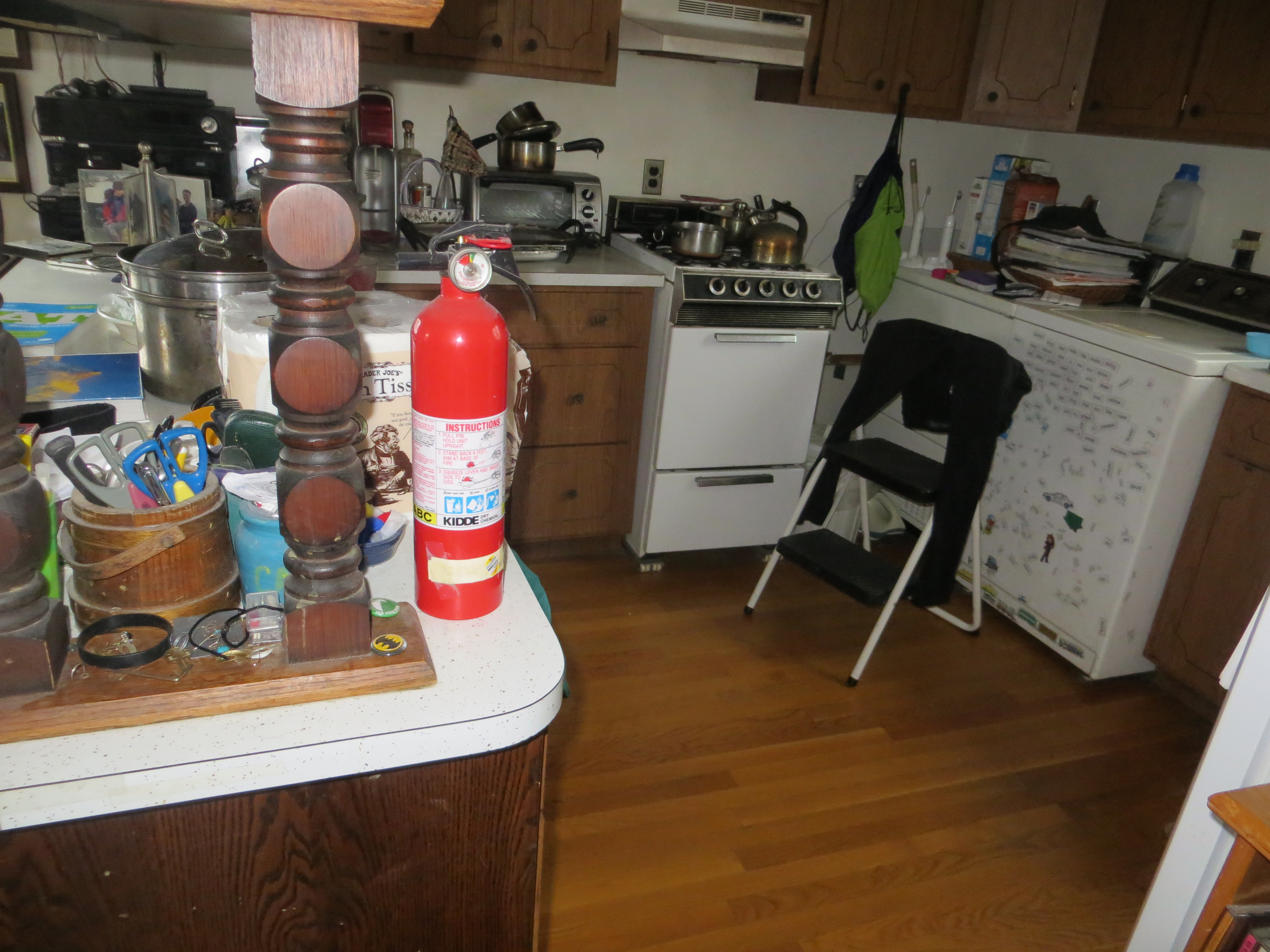
A safer kitchen does not have to mean taking away every familiar routine. The goal is to reduce the risks that are most likely to cause a fall, burn, cut, fire, or food-related illness while keeping the room usable for the person who lives there.
For many families, the kitchen is also emotionally loaded. It may be where a parent still makes coffee, warms soup, feeds a pet, or feels useful. A practical kitchen safety plan respects that independence while making the riskiest steps easier to manage.
Start With a Real Walkthrough
Before buying products, watch one ordinary kitchen routine from start to finish. Notice how the person enters the room, reaches for dishes, opens the refrigerator, carries hot food, turns appliances on and off, and cleans up afterward.
Look for small moments that make the routine unstable. A throw rug near the sink, a heavy pan stored overhead, dim light over the stove, a loose cabinet handle, or a trash can in the walking path can each create more risk than a family expects. Write down the three hazards that appear most often instead of trying to redesign the whole room in one afternoon.
If the person uses a cane, walker, oxygen tubing, or wheelchair, repeat the walkthrough with that equipment in place. A kitchen that looks clear to a visitor may still be too narrow when a mobility aid needs turning space.
Clear the Walking Paths
Falls in kitchens often happen because the floor is crowded, slick, or visually confusing. Remove loose rugs, curled mats, step stools, pet bowls, extension cords, and extra trash bins from the main path between the doorway, sink, refrigerator, stove, and table.
If a mat is needed at the sink for comfort, use a low-profile, non-slip mat with beveled edges and check it regularly. Avoid thick cushioned mats if the person shuffles, uses a walker, or has trouble lifting their feet.
Keep the floor dry and easy to inspect. A small leak under the sink, ice dropped near the freezer, or cooking oil mist near the stove can make the kitchen dangerous quickly. Put paper towels or a small cleaning cloth within easy reach so spills are handled immediately rather than after the meal.
Put Everyday Items at Safe Heights
One of the fastest ways to make a kitchen safer is to move frequently used items into the easiest reach zone. Store daily plates, bowls, mugs, coffee supplies, cereal, medications that are meant to be kept in the kitchen, and favorite pans between shoulder and knee height.
Avoid storing heavy items in high cabinets. A cast-iron pan, slow cooker, stand mixer, or large soup pot can cause injury if it slips during lifting. If upper storage is unavoidable, reserve it for lightweight items used rarely.
Reduce the need for step stools whenever possible. If a stool is truly necessary, choose one with a wide base, non-slip feet, and a handhold. Folding stools, chairs, and improvised reaching tools are poor substitutes, especially for someone with balance changes.
Make Cooking Controls Easier to Manage
Stoves and ovens deserve special attention because they combine heat, memory, vision, hearing, and timing. Make sure control labels are readable in normal kitchen light. If markings are worn or hard to see, add high-contrast, heat-safe labels or ask an appliance professional about replacement knobs.
For someone who forgets to turn burners off, consider appliance-specific safety devices such as stove knob covers, automatic shutoff products, induction cooktops, or a simpler countertop appliance for certain meals. The right choice depends on the person's cognition, cooking habits, and willingness to use the change.
Keep oven mitts, dry potholders, and trivets beside the cooking area so hot pans do not have to be carried across the room. Replace thin towels used as potholders; they can catch fire or fail to protect fragile skin.
Reduce Fire and Burn Risk
Keep flammable items away from burners, toaster ovens, and air fryers. That includes dish towels, paper towels, mail, plastic bags, food packaging, and loose sleeves. A clear zone around heat sources is easier to maintain when the counter is not being used for unrelated storage.
Make sure there is a working smoke alarm close enough to warn the household, but not placed where normal cooking causes constant nuisance alarms. Test alarms on a routine schedule and replace batteries or devices as needed.
Place a kitchen-rated fire extinguisher where it can be reached on the way out, not behind the stove or under a pile of supplies. Family members should know where it is and when to leave and call emergency services instead of trying to fight a fire.
Hot liquids are another common burn source. Encourage smaller, lighter containers for tea, coffee, and soup. An electric kettle with automatic shutoff, a mug with a stable base, or a ladle at the stove can reduce the need to lift heavy, sloshing pots.
Improve Lighting and Contrast
Kitchen safety depends heavily on seeing edges, spills, labels, and appliance settings. Replace dim bulbs, add task lighting under cabinets, and make sure the path from the bedroom or living room to the kitchen is lit for early morning or nighttime use.
Use contrast where it helps. A dark cutting board for light foods, a light cutting board for dark foods, high-contrast tape on a step edge, or easy-to-read labels on containers can reduce mistakes for someone with low vision.
Avoid glossy floor finishes that create glare. Glare can make a clean floor look wet or hide a real spill, both of which make walking less confident.
Organize Food and Cleaning Supplies
Food safety matters more when someone has reduced smell, vision, memory, or immune strength. Keep the refrigerator organized enough that older food is easy to spot. Use clear labels with large dates on leftovers, and place ready-to-eat foods where they are visible.
Separate cleaning products from food and cooking tools. If memory changes are present, avoid storing chemicals in containers that resemble drinks or food. Keep dish soap, dishwasher pods, bleach, and pest products in a consistent, clearly marked location.
Check that the refrigerator and freezer close fully and hold safe temperatures. A door that does not seal, an overpacked freezer, or food left on the counter after reheating can create problems that are easy to miss during a quick visit.
Make Meal Prep Less Risky
Cutting, peeling, opening jars, and carrying dishes can become harder before a person is ready to stop cooking. Safer meal prep often means simplifying the task rather than ending it completely.
Choose tools with large, non-slip handles. Use a stable cutting board with rubber feet or a damp towel underneath. Consider pre-cut vegetables, lighter cookware, jar openers, electric can openers, or prepared meal components when hand strength or fatigue is the main issue.
Create a seated prep area if standing for long periods increases pain, dizziness, or fall risk. A sturdy chair at a table may be safer than leaning against the counter while chopping or mixing.
Plan for Memory or Judgment Changes
If there are signs of memory loss, confusion, or unsafe decisions, kitchen safety needs a different level of planning. Warning signs include burned pans, spoiled food, repeated appliance mistakes, unexplained smoke alarm events, or leaving the stove on after meals.
In that situation, do not rely only on reminders. Written notes can help with mild forgetfulness, but they are not enough if the person cannot consistently follow them. Families may need automatic shutoff devices, simpler appliances, supervised cooking, delivered meals, or a medical evaluation to understand what has changed.
Frame the conversation around preserving favorite routines safely. For example, "Let's make breakfast easier and safer" is usually more acceptable than "You cannot cook anymore." The more specific the concern, the easier it is to choose a respectful boundary.
Prioritize the First Weekend
If you only have a few hours, focus on changes that reduce immediate risk:
- Remove loose rugs, clutter, cords, and unstable stools from walking paths.
- Move daily dishes, mugs, pans, and pantry items into easy reach.
- Improve lighting at the sink, stove, table, and doorway.
- Clear flammable items away from cooking appliances.
- Check smoke alarms, appliance shutoff habits, and the fire extinguisher location.
- Label leftovers and discard expired or questionable food.
- Replace worn potholders, slippery mats, and unstable cutting boards.
These steps are inexpensive, visible, and easy to review. They also reveal whether larger changes are needed.
When to Ask for Professional Help
Bring in outside help when kitchen risks are tied to falls, dizziness, burns, confusion, low vision, or major changes in strength. An occupational therapist can assess the room and the person's daily routine together. A primary care clinician can look for medication side effects, vision changes, neuropathy, or cognitive concerns that make cooking less safe.
Call an electrician, plumber, or appliance professional for flickering lights, faulty outlets, gas odors, leaking pipes, unstable appliances, or repeated breaker trips. Family fixes are not enough when the home system itself is unsafe.
If the person needs meals but cooking is no longer reliable, consider meal delivery, shared cooking days, frozen meal setup, adult day programs, or in-home help. The safest plan may be a mix of independence for low-risk tasks and support for heat, knives, or heavy lifting.
Review the Kitchen Monthly
A kitchen safety plan should be revisited because abilities, routines, and equipment change. Once a month, check the floor, lighting, appliance controls, refrigerator, smoke alarm, and storage layout. Ask what still feels awkward or tiring.
Pay attention to workarounds. If the person starts using a chair as a step stool, leaving pans on the stove, carrying hot food with one hand while holding a cane in the other, or storing groceries on the floor, the setup is no longer matching real life.
Success is not a perfect kitchen. It is a kitchen where the person can complete the safest parts of the routine with less fear, fewer near misses, and clearer backup when a task is no longer safe to do alone.