
checklist
Kitchen Safety Checklist
Families dealing with Kitchen Safety usually need a clear checklist they can use in one sitting and return to later.
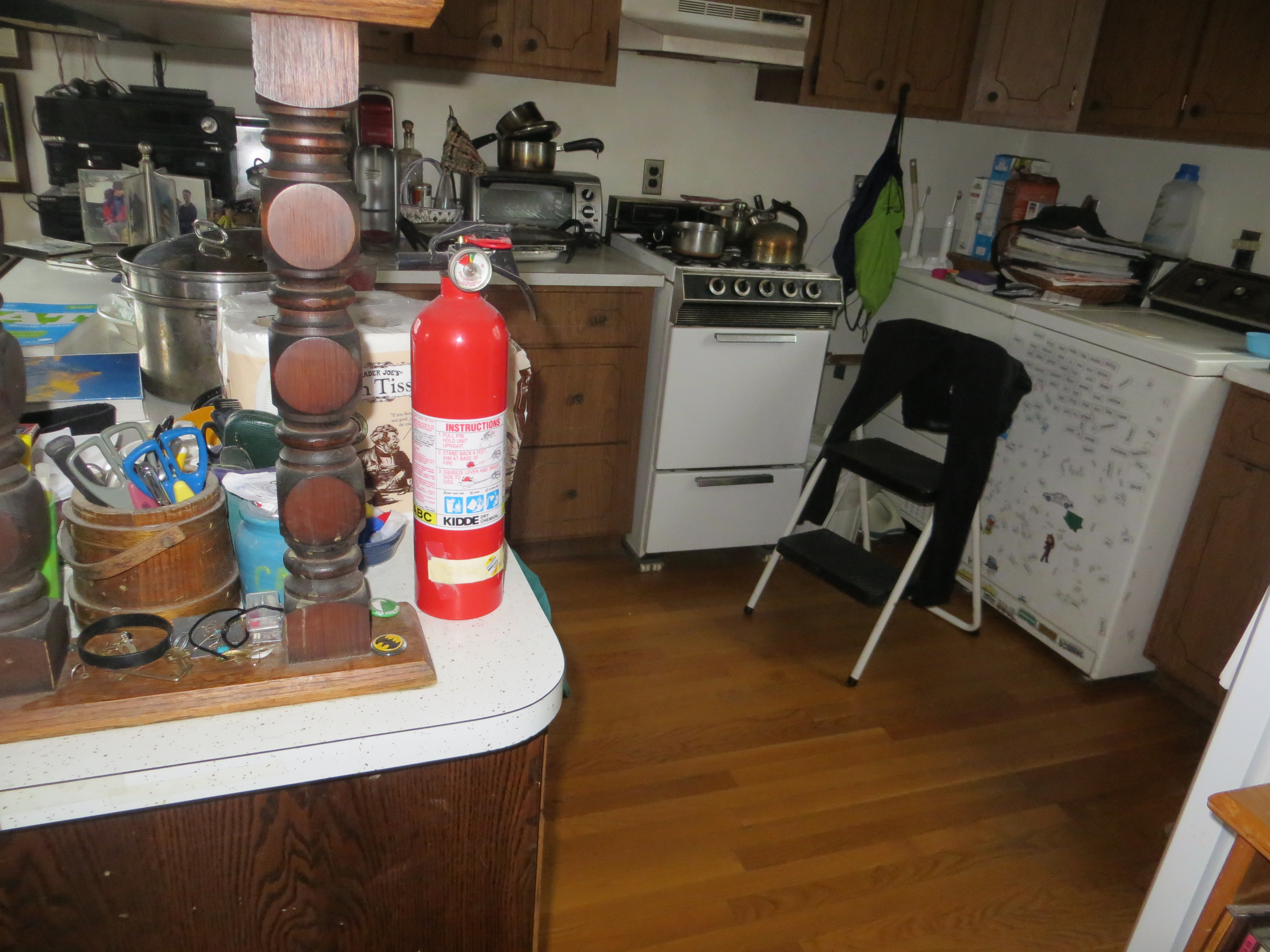
A kitchen safety checklist works best when it follows the way an older adult actually uses the room: entering, reaching, cooking, carrying, cleaning, storing food, and calling for help. The kitchen can support independence, but it is also where heat, water, sharp tools, glass, heavy cookware, and rushed movement all meet in a small space.
Use this checklist during a real walkthrough, not as a conversation from the couch. Open cabinets, turn on lights, look at appliance controls, check the floor, and watch whether the person can prepare a simple snack or drink without stretching, rushing, or improvising around hazards.
Why This Topic Matters
Kitchen accidents often happen during ordinary tasks. A person may be steady in the living room but lose balance while turning with a hot mug. They may read a medicine label but struggle to see an oven dial. They may insist cooking is fine because they remember how to cook, even though arthritis, neuropathy, tremor, low vision, hearing loss, or memory changes have made the task harder.
This is why the checklist should focus on evidence in the room. Look for scorched cookware, expired food, loose rugs, unstable chairs used as step stools, overloaded outlets, dim counter areas, and frequently used items stored out of reach. These clues are less loaded than asking someone to admit they are no longer safe.
The goal is not to make the kitchen look perfect. The goal is to reduce fire, burn, fall, cut, and food-safety risks while preserving the safest parts of the person's routine.
What to Review First
Begin at the entrance. Check whether the path into the kitchen is wide enough for a cane, walker, or careful two-handed carry. Remove cords, boxes, pet bowls, loose mats, and narrow turns that force the person to twist while holding food or dishes.
Next, review the main work triangle: refrigerator, sink, and cooking area. Everyday items should be reachable without climbing, bending deeply, or lifting heavy objects from awkward angles. If the person uses a mobility aid, check whether they can set it aside safely or keep it close without blocking their feet.
Then review appliances and heat sources. Make sure controls are readable, knobs are not easy to bump, automatic shutoff features are understood, and towels, paper, plastic, and mail are kept away from heat. Treat any history of smoke, burned pans, gas left on, or forgotten appliances as a high-priority concern.
Finish with food management and emergency access. A safer kitchen includes food the person can identify, prepare, and store correctly, plus a way to call for help if they fall or get burned.
A Checklist You Can Use Today
- Clear the walking path from the bedroom, bathroom, and main sitting area to the kitchen.
- Remove loose throw rugs or replace them with low-profile nonslip mats that do not curl at the edges.
- Add bright, even lighting over the stove, sink, counters, and entry path.
- Move daily dishes, glasses, cereal, coffee supplies, and cookware to shelves between waist and shoulder height.
- Put heavy pots, slow cookers, mixing bowls, and small appliances where they can be lifted with both hands.
- Keep a stable chair outside the main cooking path if the person needs to sit while preparing food.
- Confirm that stove knobs and oven controls are easy to read and not accidentally turned on by leaning or brushing past.
- Keep towels, paper towels, curtains, mail, plastic bags, cookbooks, and loose sleeves away from burners and toaster ovens.
- Use appliances with automatic shutoff when possible, especially kettles, coffee makers, irons, toaster ovens, and hot plates.
- Store knives in a block, sheath, magnetic strip, or drawer tray so sharp edges are not hidden loose in a drawer.
- Check that the refrigerator stays cold, leftovers are dated, and expired or spoiled food is removed weekly.
- Keep cleaning products separate from food and clearly labeled, especially if vision or memory is changing.
- Place emergency numbers in large print near the phone and make sure a phone, medical alert device, or voice assistant can be reached from the kitchen floor.
- Test smoke and carbon monoxide alarms, and confirm the older adult can hear or see the alert.
- Keep a fire extinguisher visible and make sure everyone understands that evacuation comes before fighting a large or spreading fire.
Common Mistakes and Tradeoffs
A common mistake is treating the kitchen as safe because it is familiar. Familiarity can hide risk. The person may have walked around the same loose rug for years, kept pans in the same high cabinet for decades, or used the same stove since before their eyesight changed.
Another mistake is making every change at once. If you remove rugs, rearrange cabinets, change appliances, and start meal delivery in the same weekend, the older adult may feel displaced in their own kitchen. Handle urgent hazards immediately, then make non-urgent changes in a way the person can learn and accept.
There are real tradeoffs. A stove shutoff device may protect against fire but frustrate someone who cooks slowly. A locked cabinet may be necessary when dementia creates poisoning risk, but it should be paired with clear access to safe snacks and drinks. Meal support may reduce danger but can feel like a loss unless the person still has meaningful choices.
What to Do If the Checklist Raises Concerns
If the checklist reveals repeated burned pans, spoiled food, unsafe knife handling, missed meals, confusion with appliances, or falls in the kitchen, treat those signs as more than housekeeping problems. They may reflect changes in cognition, vision, sensation, strength, balance, medication side effects, depression, or fatigue.
Ask the primary care clinician what should be evaluated, especially if the change is new or worsening. An occupational therapist can often make practical kitchen recommendations after observing reach, grip, balance, vision, and task sequencing. A pharmacist may help if dizziness, sleepiness, or confusion worsened after medication changes.
Urgent symptoms need urgent help. Sudden confusion, fainting, chest pain, severe weakness, trouble breathing, injury from a fall, suspected gas exposure, or carbon monoxide alarm activation should not be handled as a home-modification project.
Common Questions
What is the best first step for a kitchen safety checklist?
Watch one real kitchen task from start to finish. A cup of tea, a sandwich, or reheating leftovers can reveal lighting problems, reach problems, heat risks, balance issues, and memory gaps without turning the review into an argument.
How fast do we need to act?
Act immediately on fire, gas, fall, burn, and spoiled-food risks. Lower-risk changes, such as reorganizing shelves or adding labels, can happen over a few days, but do not let a long wish list delay the hazards most likely to cause harm.
Should we buy equipment right away?
Buy equipment only when it solves a specific problem. Better lighting, an automatic shutoff kettle, a nonslip mat, lighter cookware, or a stove safety device can help, but equipment will not fix fatigue, confusion, or a cooking routine that has become too complex.
When should we involve outside help?
Bring in outside help when the same risks keep returning, when the person cannot prepare safe meals, or when family members disagree about whether cooking is still safe. Outside input can make the conversation less personal and more practical.
How to Prioritize Changes
Prioritize changes by consequence and frequency. A burner left on once may matter more than an awkward drawer used once a month. A dim path used every morning may matter more than a decorative item on a high shelf. Ask what could cause the next fire, fall, burn, cut, or missed meal.
A useful first round might include removing a rug, moving daily dishes lower, improving stove lighting, dating leftovers, and confirming alarms. A second round might include appliance changes, meal support, cabinet locks, occupational therapy, or a more formal cooking plan.
How to Talk About the Change
Lead with the person's goals. If they want to keep making breakfast, focus on making breakfast easier and safer. If they love baking with grandchildren, talk about what setup would make that possible without risky lifting, reaching, or heat exposure.
Use concrete observations instead of global judgments. "The kettle was left on twice" is easier to discuss than "you are unsafe." "The plates are too high to reach with both feet flat" is clearer than "you need help." Specific language leaves room for problem-solving.
A Simple Review Routine
Review the kitchen again after one week. Check whether the person can find relocated items, whether mats stayed flat, whether lighting is actually being used, and whether new labels or containers make sense. Watch for workarounds, because workarounds often reveal that the first solution was too inconvenient.
Repeat the review after a hospitalization, new diagnosis, medication change, vision change, fall, or report of burned food. Kitchen safety changes should evolve with the person's abilities rather than waiting for a crisis.
Questions to Revisit With Family
Ask whether the current kitchen plan works on tired days, not just good days. Can the person get a drink at night? Can they reheat food safely when hungry? Can they recognize spoiled leftovers? Can they leave the kitchen quickly if smoke or a spill occurs?
Decide who owns follow-up. One family member may check food dates weekly. Another may test alarms monthly. A caregiver may report burned pans, spills, or new confusion. Clear ownership keeps the checklist from becoming a one-time burst of concern.
How to Keep the Plan Manageable
Keep the plan short enough to use. Write down the top hazards, the fixes already made, and the signs that mean the plan needs review. A kitchen can have many possible improvements, but families usually follow through better when the next step is obvious.
A practical kitchen plan might say: no loose rugs, daily items on lower shelves, stove use only when alert, leftovers dated every time, and any smoke alarm or burned pan triggers a family review. That kind of plain agreement protects both safety and independence.