
how_to
How to Set up Emergency Contacts
Readers looking for How to Set up Emergency Contacts usually need straightforward actions, not vague advice.
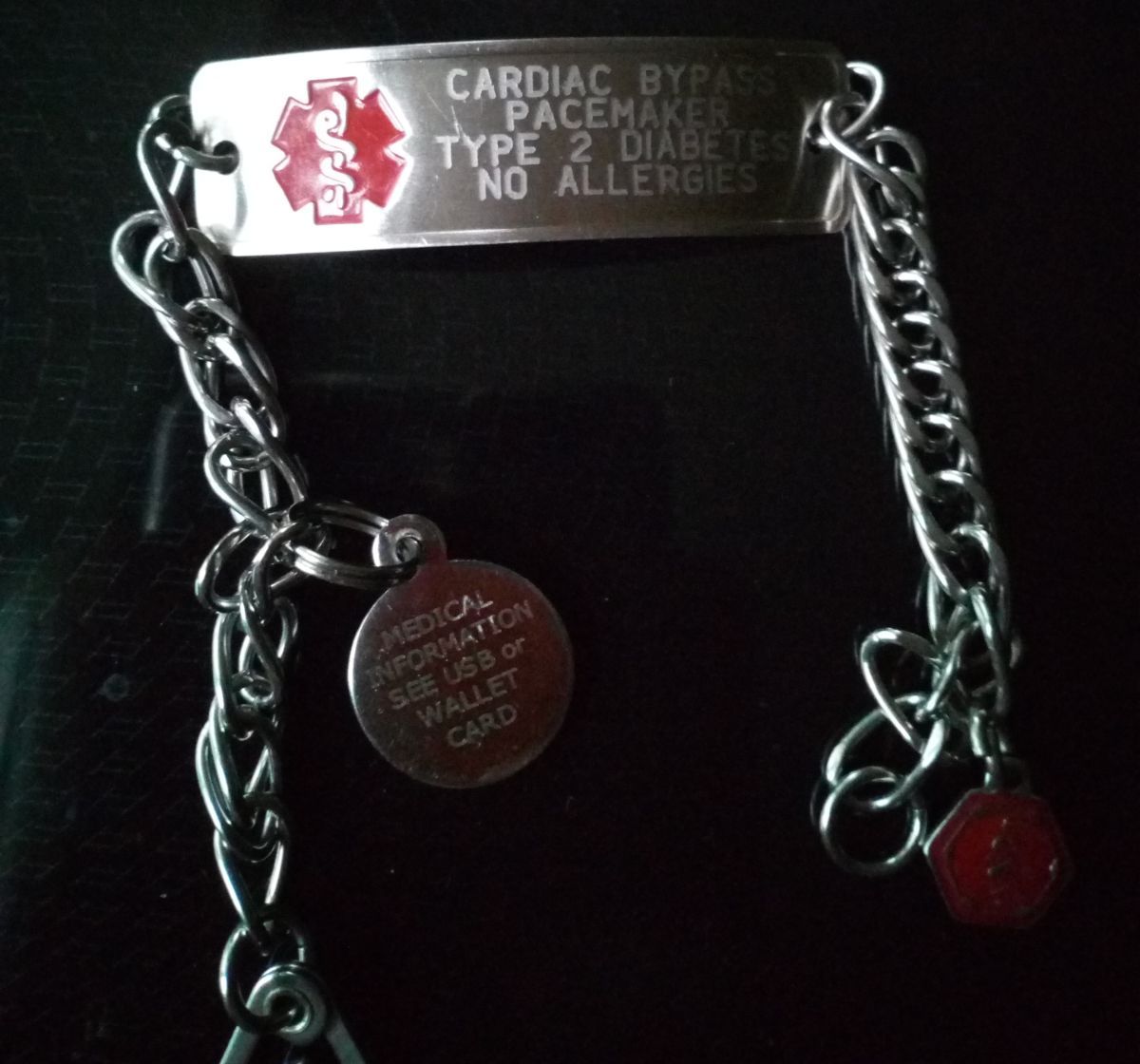
A reliable emergency contact setup helps an older adult get the right help quickly when something goes wrong. The goal is not just to collect phone numbers. It is to make sure family, neighbors, clinicians, and emergency responders can find the right person, understand the situation, and avoid delays when stress is high.
This guide is written for adult children, spouses, family caregivers, and older adults who want a clear emergency contact plan that works at home, on a phone, in a wallet, and during medical visits. A good system should be simple enough to use on an ordinary day and visible enough to help when no one has time to search.
Why This Topic Matters
Emergency contact problems usually show up at the worst possible moment. A neighbor finds someone after a fall but does not know which adult child to call. A hospital has an old phone number on file. A caregiver knows the medication list but is not listed as a contact. A phone has a locked screen and no visible emergency information.
Those gaps can slow decisions, create duplicate calls, or leave the person who knows the most out of the loop. They can also create family conflict if several relatives assume someone else has been notified.
The best emergency contact plan balances access and privacy. Not everyone needs every detail, but the right people need enough information to act. The plan should name who gets called first, who is the backup, what each person can do, and where the current information is stored.
How to Do It Step by Step
Start with the places where emergency information is most likely to be needed: the older adult's mobile phone, wallet, refrigerator or entry area, medical portals, pharmacy records, senior housing office, and any medical alert device account. The same two or three primary contacts should appear consistently across those places.
Choose contacts by availability and usefulness, not just family order. The first contact should usually be someone who answers the phone reliably, understands the person's medical and home situation, and can make practical calls quickly. A nearby neighbor may be useful for a home check, while an adult child across the country may be better for medical decisions and family coordination.
For each contact, record the full name, relationship, mobile number, backup number, email, and time zone if relevant. Add a short note about what that person can do, such as "has house key," "knows medication list," "health care proxy," "lives ten minutes away," or "call only after primary contact." These notes help responders and family members use the list instead of guessing.
Then decide where the list will live. A phone entry is useful, but it should not be the only copy. Keep a printed version in the wallet and another in a predictable home location. If the person has paid caregivers, assisted living staff, home health workers, or a medical alert service, make sure their records match the same list.
A Simple Step-by-Step Approach
- Pick one primary emergency contact and one backup contact.
- Add both contacts to the older adult's phone using clear labels, such as "ICE - Maria daughter" or "Emergency - Sam neighbor."
- Set up the phone's built-in emergency information so contacts can be reached from the lock screen when possible.
- Put a printed contact card in the wallet, purse, mobility bag, and glove compartment if the person still rides in or drives a car.
- Place a larger copy at home in one visible, agreed location, such as the refrigerator, command center, or inside the front entry cabinet.
- Update records with the primary care office, specialists, pharmacy, medical alert company, senior housing desk, and home care agency.
- Confirm which contact has keys, medication information, legal documents, and transportation ability.
- Review the list every three to six months and after any move, hospitalization, new diagnosis, phone change, or caregiver change.
What to Include on the Contact List
The contact list should be short enough to scan quickly. Include the older adult's full name, preferred name, date of birth, address, primary language, and any major communication needs, such as hearing loss, aphasia, or dementia-related confusion. Add the names and phone numbers for the primary contact, backup contact, local helper, primary care office, preferred pharmacy, and medical alert provider if there is one.
Avoid putting a full medical history on every visible copy. A wallet card or refrigerator sheet can include high-impact details such as major allergies, blood thinner use, implanted devices, diabetes, seizure history, or a dementia diagnosis. Keep detailed medication lists and legal documents in a more controlled location, then note who can access them.
If there is a health care proxy, durable power of attorney, guardian, or other decision-maker, identify that person clearly. Emergency responders may still transport or treat based on the situation, but hospitals and clinicians need to know who can answer questions and receive updates.
Set Up Emergency Contacts on a Phone
Most smartphones allow emergency contacts and basic medical information to be shown from the lock screen. The exact steps vary by device, so check the phone's settings for terms such as Emergency SOS, Medical ID, Safety and Emergency, or Emergency Information. Add the primary and backup contacts, then test whether another person can find the information without unlocking the phone.
Keep the regular contacts list clean too. Use labels that make sense to strangers and caregivers, not only to family. "Jenny" may be obvious to a parent, but "Jenny Carter - daughter - emergency contact" is more useful during a crisis.
If the older adult uses a smartwatch, medical alert pendant, fall detection service, or car safety service, update those systems separately. Many services keep their own emergency contact order and will not automatically pull from the phone.
Make the Home Copy Easy to Find
A home contact sheet should be visible without forcing responders or neighbors to search through drawers. Many families use the refrigerator because emergency personnel often look there for medical information. Others choose a labeled folder near the main entrance if that is where the person naturally keeps calendars, keys, and appointment papers.
Use large print and plain headings. A stressed neighbor or substitute caregiver should be able to find "Call first," "Call second," "Doctor," and "Pharmacy" within seconds. If the older adult is uncomfortable displaying private information, use a sealed envelope labeled "Emergency contacts and medical information" and tell the likely helpers where it is.
For people who live alone, consider whether a trusted neighbor, building manager, or nearby family member should have a copy of the contact plan. That person does not need unlimited medical details, but they should know whom to call and whether they are allowed to enter the home during an urgent welfare check.
Common Mistakes and Tradeoffs
A common mistake is listing the closest relative first even if that person rarely answers unknown numbers. In an emergency, responsiveness matters. If one adult child is the legal decision-maker but another family member answers faster, list both and explain the order.
Another mistake is updating one system and forgetting the others. A new phone number in the family group chat does not update the pharmacy, doctor's office, medical alert account, hospital portal, or senior housing file. Assign one person to update each place and confirm when it is done.
Privacy is a real tradeoff. A visible home sheet may feel exposing, especially when aides, visitors, or maintenance workers come through. The practical compromise is to keep urgent contact information easy to find while limiting sensitive details to the people who truly need them.
When More Help May Be Needed
Emergency contacts are only one part of a safety plan. If the older adult has repeated falls, wandering, medication mistakes, sudden confusion, fainting, or trouble calling for help, update the contact list but also involve the primary care team. The underlying risk may need a medication review, therapy referral, home safety evaluation, hearing support, or more daily supervision.
If there are concerns about capacity, decision-making, or family disagreement, ask a clinician, social worker, elder law attorney, or care manager what documents and permissions should be in place. Emergency contacts can help people reach the family, but they do not automatically give someone legal authority to make health or financial decisions.
Call emergency services right away for chest pain, trouble breathing, stroke symptoms, severe injury, sudden severe confusion, loss of consciousness, or any situation that feels immediately dangerous. The contact plan should support urgent care, not replace it.
Common Questions
Who should be the first emergency contact?
The first contact should be the person most likely to answer quickly and coordinate calmly. That may be a spouse, adult child, sibling, neighbor, or trusted friend. If the legal decision-maker is not the fastest responder, list that person clearly as well.
How many emergency contacts should we list?
Two or three is usually enough for the main list. Too many names can slow people down. Use a primary contact, a backup contact, and a local helper if the primary contacts do not live nearby.
Should emergency contacts be able to unlock the home?
At least one trusted person nearby should have a reliable way to enter during an urgent situation. That might be a key, lockbox code, building access instruction, or front desk permission. Review this carefully so safety does not create a new privacy or security problem.
How often should we update the list?
Review the list at least twice a year. Update it immediately after a phone number change, move, hospital stay, new diagnosis, change in caregivers, or change in who can respond locally.
How to Prioritize Changes
If the whole project feels like too much, fix the highest-risk gaps first. Make sure the phone has emergency contacts, the wallet has a printed card, and the primary medical office has current information. Those three steps cover many common crisis points.
Next, update paid services and community helpers. Medical alert companies, home care agencies, senior housing offices, pharmacies, transportation programs, and adult day programs may each have a separate contact record. A quick call now can prevent confusion later.
How to Talk About the Change
Many older adults are open to emergency contacts when the conversation is framed around control rather than surveillance. Try: "If something happens, I want people to call the right person and not make guesses." That is less threatening than presenting the list as proof that the person can no longer manage alone.
Ask permission before sharing sensitive information. Some people are comfortable listing a diagnosis; others prefer to list only the contact who can explain medical details. The plan works best when the older adult understands what is written down and agrees with who can see it.
A Simple Review Routine
Set a calendar reminder to review the list every January and July, or connect it to another routine such as medication cleanup, insurance review, or an annual wellness visit. During the review, call or text each listed contact to confirm the number still works and the person still agrees to be listed.
Also test the practical pieces. Can someone find the phone's emergency information from the lock screen? Is the wallet card still readable? Does the neighbor still have the right key? Does the doctor's office show the same primary contact as the medical alert account?
Questions to Revisit With Family
Before considering the setup finished, ask who should be called first for a fall, a hospital visit, a medication problem, a missed check-in, a power outage, or a concern from a neighbor. The order may not be identical in every situation.
Decide who is responsible for updates. Without clear ownership, emergency contacts become stale quickly. One person should maintain the master version and tell the rest of the family when something changes.
How to Keep the Plan Manageable
Use one master contact list and copy from it. This avoids slightly different versions in the phone, wallet, refrigerator, and medical portal. Keep the master list in a place the primary caregiver can edit, then print or share updated copies as needed.
Keep the design plain. Large text, clear labels, and a short list are more valuable than a beautiful document no one can read quickly. If the person has vision changes, use high contrast and avoid tiny wallet-card print for the home copy.
What Success Usually Looks Like
A successful emergency contact setup is quiet most of the time. Family members know the order of calls, helpers can find the right numbers, and records match across the places that matter. No one has to dig through old texts or guess which sibling has the current doctor information.
It also respects the older adult's dignity. The plan gives others enough information to help while keeping private details limited and intentional. That combination, easy access plus thoughtful boundaries, is what makes emergency contacts useful in real life.