
checklist
Emergency Preparedness Checklist
Families dealing with Emergency Preparedness usually need a clear checklist they can use in one sitting and return to later.
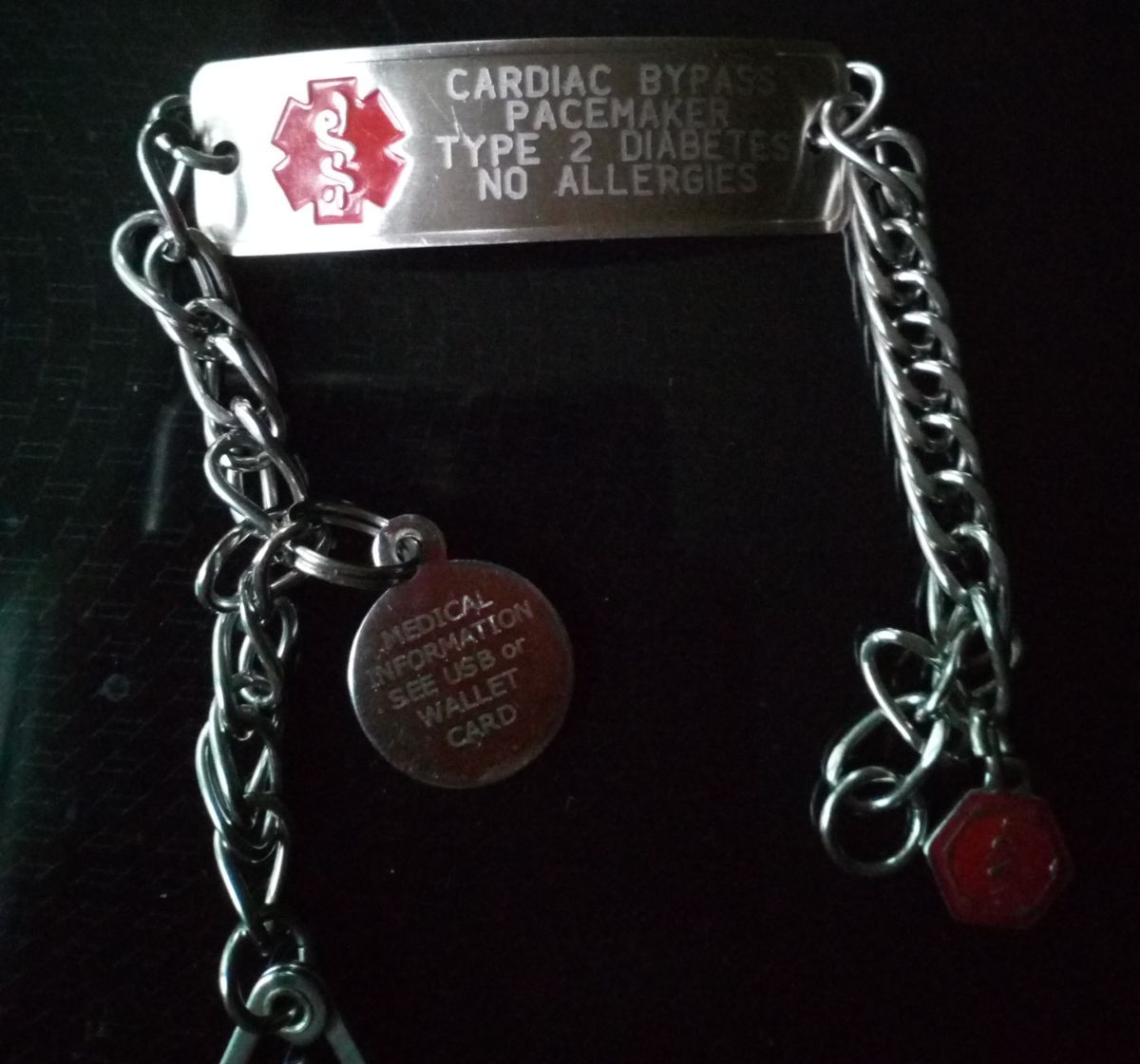
An emergency preparedness checklist for an older adult should answer one plain question: if something goes wrong tonight, who knows what to do? The plan does not need to be elaborate. It needs to be visible, current, and simple enough to use during a power outage, fall, medication problem, severe weather event, fire alarm, or sudden medical change.
Use this checklist as a caregiver walkthrough. Start with the emergencies most likely for the person and home: falls, missed medications, confusion, storms, heat, cold, loss of power, blocked exits, or inability to call for help. Then build a plan that helpers can actually follow when everyone is stressed.
Start With the Emergency Profile
Create a one-page emergency profile and place it where responders or family members can find it quickly. Good locations include the refrigerator, inside a clearly labeled folder near the main door, or beside the medication list. If the older adult has a medical alert service, make sure the same information is in that provider's profile.
Include full name, date of birth, address, phone number, emergency contacts, primary care clinician, preferred hospital if relevant, major diagnoses, allergies, current medications, mobility limits, hearing or vision needs, communication needs, and whether there are pets in the home. Add the code for a lockbox only if the family has agreed where that information should be kept.
Review the page after every hospital stay, medication change, new diagnosis, move, or change in caregiver schedule. An outdated emergency sheet can create false confidence.
Contact and Backup Communication
Decide who gets called first, second, and third. Put those names in the older adult's phone, on the emergency profile, and in any medical alert account. Avoid relying on one person who may be in a meeting, asleep, traveling, or out of cell range.
Check that the older adult can actually call for help from the places where emergencies are likely: bed, bathroom, favorite chair, kitchen, porch, garage, and yard. A phone on the counter is not enough if a fall happens in the shower or beside the bed.
For many homes, the communication plan includes a charged cell phone, a backup charger, a landline if available, a wearable medical alert button, and written numbers in large print. If hearing loss is part of the picture, test whether the person can hear the phone, doorbell, smoke alarm, and medical alert operator.
Medications and Medical Supplies
Keep an updated medication list with dose, schedule, prescribing clinician, pharmacy, and the reason each medicine is taken if known. Store it with the emergency profile and give copies to the main caregiver and backup caregiver.
Build a small buffer of essential supplies when possible: several days of prescription medications, incontinence products, wound supplies, hearing aid batteries, glucose-testing supplies, oxygen supplies, catheter supplies, or other items the person cannot safely go without. The right buffer depends on insurance rules, prescription timing, and storage requirements, so ask the pharmacy what is realistic.
If any medication requires refrigeration, write down what to do during a power outage. Some families use a small cooler, ice packs, and a backup plan with a neighbor, relative, or pharmacy. Do not guess about temperature-sensitive medications; ask the pharmacist for specific instructions.
Power, Heat, and Cooling
Power outages are more serious when someone depends on oxygen equipment, an adjustable bed, a lift chair, a stair lift, a powered wheelchair, refrigerated medication, or a charged medical alert device. List every device that needs power and how long its backup battery lasts.
Keep flashlights in predictable places, not just in a junk drawer. Add night lights with battery backup or plug-in lights that turn on when power fails if the person gets up overnight. Avoid candles when there is fall risk, oxygen use, memory impairment, or a pet that could knock them over.
Plan for temperature extremes. During heat, older adults may become dehydrated or confused faster than family expects. During cold, a home can become unsafe if the furnace fails or a person cannot manage blankets, space heaters, or fireplace use safely. Write down where the person can go if the home becomes too hot or too cold: a relative's home, community cooling center, hotel, or assisted-living respite option.
Fire, Smoke, and Carbon Monoxide
Test smoke alarms and carbon monoxide alarms on a regular schedule. Replace batteries or units according to the manufacturer's instructions. If hearing loss is present, consider alarms with bed shakers, strobe lights, or connected alerts that notify a caregiver.
Make sure exits are clear. Check the path from the bedroom to the door, the route from favorite sitting areas, and any secondary exit. Remove boxes, rugs, cords, furniture, or stored items that could slow evacuation. If the person uses a walker or wheelchair, test whether the route works with that device.
Talk through what to do if an alarm sounds. Some older adults freeze, try to gather belongings, look for a pet, or call family before leaving. The safer script is short: leave first if able, call emergency services from outside, and let responders handle property concerns.
Falls and Medical Alerts
Because falls are one of the most common home emergencies, plan for the exact moment after a fall. Can the person reach a phone or button from the floor? Can they hear the operator? Do they know not to pull on unstable furniture to get up? Does anyone check in if they do not answer a usual call?
If the person has a medical alert system, test it from the bedroom, bathroom, kitchen, porch, and yard. Confirm that emergency contacts are current, the lockbox code is correct, and the response center knows about pets, hearing loss, mobility limits, or dementia concerns.
Fall detection can be helpful, but it is not perfect. Treat it as backup, not the whole plan. The person still needs to wear the device consistently and understand how to press the button.
Severe Weather and Evacuation
Write a short plan for the weather risks that actually apply where the older adult lives: hurricanes, tornadoes, flooding, wildfire smoke, winter storms, extreme heat, or long power outages. A coastal apartment, rural farmhouse, and city condo need different plans.
Pack a small go bag with copies of identification, insurance cards, medication list, emergency profile, spare glasses, hearing supplies, phone charger, incontinence supplies, basic toiletries, a change of clothing, and any essential comfort item. Keep it light enough for the older adult or caregiver to move.
Decide when evacuation begins. Waiting until a road is flooded, elevator power is out, or the person is exhausted can turn a manageable move into a crisis. If the person uses oxygen, a wheelchair, dialysis, home health services, or memory care support, start planning earlier than the general public guidance may imply.
Pets, Keys, and Home Access
Pets can complicate emergencies in predictable ways. Write down the pet's name, feeding routine, veterinarian, carrier location, leash location, medication needs, and who can take the pet if the older adult must leave home. If a pet may block responders or hide, note that too.
Make sure trusted helpers can enter the home. Options include a lockbox, smart lock, trusted neighbor, building manager, or nearby family member. Test the plan before an emergency. A key hidden years ago may no longer work, and a lockbox code may have changed.
If the older adult lives in an apartment or senior building, confirm how emergency access works after hours. Know whether elevators have backup power and how staff are notified if someone cannot evacuate independently.
Quick Checklist
- Update the emergency profile and place it where helpers can find it.
- Save emergency contacts in the phone and write them in large print.
- Confirm that help can be called from the bed, bathroom, and floor.
- Keep a current medication list with the pharmacy and prescriber names.
- Build a realistic supply buffer for medications and essential care items.
- List every medical or mobility device that depends on electricity.
- Test smoke alarms, carbon monoxide alarms, and medical alert devices.
- Clear exit paths for the person's actual walker, cane, or wheelchair.
- Prepare a light go bag with documents, chargers, glasses, and daily supplies.
- Confirm home access for family, responders, neighbors, or building staff.
- Write down the pet plan if animals live in the home.
- Review the plan after hospital stays, falls, storms, medication changes, or new symptoms.
When to Ask for More Help
Ask the primary care team, home health nurse, pharmacist, occupational therapist, or local aging services office for guidance if the plan depends on medical equipment, complex medications, oxygen, dialysis, dementia care, or caregiver coverage that is already strained.
Emergency preparedness is also a warning sign when it reveals bigger gaps. If the older adult cannot remember how to call for help, cannot leave the home safely, repeatedly forgets essential medication, or would be alone for long stretches during a predictable emergency, the family may need more than a checklist. Increased check-ins, in-home care, adult day support, respite care, or a different living setup may need to be part of the safety plan.
Common Questions
What should be on the refrigerator?
Place the emergency profile, medication list, allergies, emergency contacts, clinician and pharmacy information, and any key access instructions the family has agreed to share. Keep it short enough that responders can scan it quickly.
How often should we review the plan?
Review it at least twice a year and after any major change: fall, hospitalization, new diagnosis, medication change, move, new caregiver, new medical equipment, or severe-weather season.
Is a medical alert system enough?
Usually no. A medical alert system helps someone call for help, but it does not replace smoke alarms, medication planning, backup power, home access, evacuation planning, or regular caregiver check-ins.
What if my parent does not want an emergency plan?
Start with convenience and control instead of fear. A simple emergency page can be framed as a way to prevent confusion, protect privacy, and avoid family members guessing under pressure. Keep the first version small, then revisit it after the person sees how practical it is.