
checklist
Bathroom Safety Checklist
Families dealing with Bathroom Safety usually need a clear checklist they can use in one sitting and return to later.
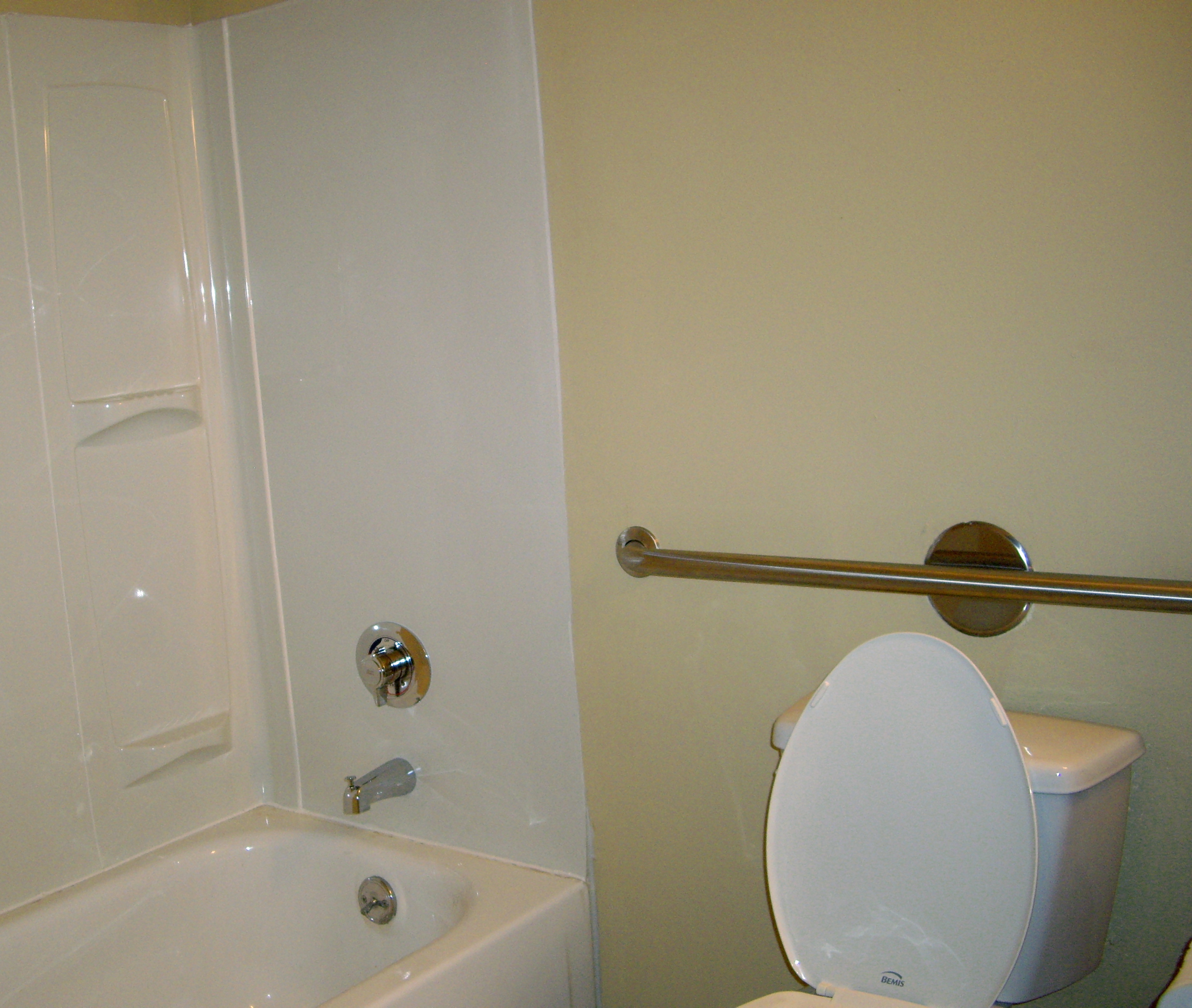
A bathroom safety checklist works best when it follows the way someone actually bathes, toilets, dresses, and moves through the room at night. The point is not to make the bathroom look clinical. The point is to remove the moments where a wet surface, an awkward reach, poor lighting, or a rushed transfer can turn a normal routine into a fall.
Use this checklist as a room-by-room walkthrough with one older adult in mind. A bathroom that is safe for a steady walker may still be risky for someone who uses a cane, becomes dizzy after standing, needs help stepping over a tub wall, or wakes several times overnight.
Start With the Riskiest Moments
Before buying equipment, watch or talk through the routine in sequence. Ask where the person pauses, grabs the towel bar for balance, shuffles on a bathmat, twists to reach soap, or avoids bathing because the setup feels too hard. Those clues point to fixes that will be used every day.
The highest-risk bathroom moments are usually transfers, wet-floor steps, toilet use at night, and reaching outside a stable stance. Give those issues priority over cosmetic changes or storage improvements. A safer bathroom is often built from several modest changes that work together.
Entry and Pathway
Check the path from the bedroom or main living area to the bathroom, especially the route used after dark. Remove loose rugs, cords, scales, laundry baskets, and decorative items from the walking line. If the door threshold is raised, mark it clearly or consider a low-profile transition strip.
Make sure the bathroom door can be opened from the outside in an emergency. If the door swings inward and the room is tight, a fall can block access. Families sometimes replace the lock with an emergency-release privacy lock or change hardware so helpers can enter quickly without removing the door.
Lighting
Install bright, even lighting that reaches the shower, toilet, sink, and doorway. Shadows matter because older adults may misjudge the tub edge, floor color changes, or the distance to a grab bar.
Add motion-sensing night lights along the route and inside the bathroom. Choose lights that turn on gently rather than startlingly bright. If the person gets up often, place switches where they can be reached before stepping fully into the room.
Floors and Mats
Bathroom floors should be dry, clear, and easy to grip. Replace thick bath rugs, curled mats, or decorative runners with non-slip options that have secure backing. If a mat still slides when pushed with a foot, it is not doing its job.
Look for flooring that becomes slick after steam, lotion, powder, or cleaning products. Families often miss this because the floor seems fine when dry. Test the common path after a shower, not just during a daytime walkthrough.
Tub and Shower Safety
A tub wall is one of the most common trouble spots. If stepping over it requires a high knee lift, twisting, or holding the towel bar, add a properly installed grab bar and consider a shower chair or tub transfer bench.
Inside the bathing area, use non-slip strips or a non-slip mat that drains well and stays flat. Keep shampoo, soap, razors, and washcloths within easy reach from a seated or stable standing position. Bending to the floor for dropped soap is a predictable risk, so use a pump dispenser, soap tray, or wall caddy.
If the person becomes tired while bathing, a shower chair can reduce strain even if they can still stand. Choose a chair with rubber feet, enough width for the user, and a height that lets both feet rest flat. Recheck the chair after cleaning because movement can loosen legs or suction feet.
Grab Bars
Grab bars should be mounted into wall studs or with hardware rated for the wall type. Towel bars, shower doors, and sink edges are not safe substitutes because they are not designed to hold body weight.
Place bars where the person naturally reaches during the routine: near the toilet, at the shower entry, and inside the bathing area. The right placement depends on height, dominant hand, transfer direction, and whether the person uses a cane, walker, or caregiver support. When unsure, an occupational therapist can assess placement before holes are drilled.
Toilet Area
Check whether the toilet height allows the person to sit and stand without dropping down or pushing hard on unstable surfaces. A raised toilet seat, toilet safety frame, or wall-mounted grab bar may help, but the safest option depends on balance and bathroom layout.
Keep toilet paper, wipes, incontinence supplies, and a covered trash container within reach without twisting. If nighttime urgency is part of the problem, improve lighting and clear the path before focusing only on the toilet fixture.
Sink, Storage, and Daily Items
Move frequently used items between waist and shoulder height. Heavy bottles, medicine organizers, hair dryers, and grooming tools should not require climbing, deep bending, or reaching over a wet counter.
Check electrical safety around the sink. Unplug grooming tools after use, keep cords away from water, and use outlets with ground-fault circuit interrupter protection where appropriate. If the person uses an electric razor, hearing aid dryer, or medical device in the bathroom, create a dry charging spot outside splash zones.
Water Temperature
Set the water heater to a safer maximum temperature if scalding is a concern, and test how quickly hot water arrives at the sink and shower. Older adults with reduced sensation, neuropathy, or slower reaction time may not pull away quickly from water that is too hot.
Use faucet labels or anti-scald devices if the controls are confusing. Marking hot and cold clearly can help when vision is limited or when a guest caregiver assists with bathing.
Emergency Access
Place a phone, wearable alert button, or waterproof call device where it can be reached from the floor or shower area. A device left on the vanity may not help after a fall in the tub.
Make sure family members know how to enter the home and bathroom if help is needed. Keep emergency contacts current, and write down medical conditions, medications, allergies, and preferred hospital in an easy-to-find place.
Caregiver Help and Privacy
If a caregiver helps with bathing, agree on the exact parts of the routine where help is welcome. Privacy concerns can lead older adults to refuse help even when the physical risk is real. A robe, towel placement, shower chair, handheld showerhead, or same-gender aide may make the support feel less intrusive.
Use respectful language when introducing changes. Instead of saying, "You cannot shower alone anymore," try, "Let's make the shower easier so you do not have to work so hard to stay steady." The goal is cooperation, not a power struggle.
Quick Bathroom Walkthrough
- Clear the path from bedroom to bathroom and remove anything that can catch a foot.
- Add night lighting before the first step into the bathroom.
- Replace sliding rugs with secure non-slip mats or remove them entirely.
- Install real grab bars where the person reaches during toilet and shower transfers.
- Put soap, shampoo, towels, and clothing where they can be reached without bending.
- Check whether a shower chair, transfer bench, handheld showerhead, or raised toilet support would reduce strain.
- Confirm that hot water cannot easily scald the person.
- Make sure help can be called from the shower, toilet, or floor.
- Recheck the setup after illness, a medication change, or any near fall.
When to Ask for Professional Input
Ask for a clinical review if there has been a fall, new dizziness, sudden weakness, fainting, worsening confusion, or a major change in walking. Bathroom changes can lower risk, but they do not replace medical evaluation when symptoms change quickly.
An occupational therapist can be especially helpful when the family is unsure which equipment fits the person and the room. They can assess transfers, recommend grab bar placement, and suggest techniques that preserve as much independence as possible.
Common Questions
Are suction grab bars safe?
Suction bars may help some people with light hand placement cues, but they should not be treated as weight-bearing fall protection. For balance support, use grab bars that are permanently installed according to the manufacturer's instructions.
Is a shower chair only for someone who is frail?
No. A shower chair can help someone who is recovering from surgery, gets tired while bathing, has poor endurance, or feels unsteady when washing hair or feet. Using a chair early can prevent rushed, unstable movements.
Should we remodel the bathroom right away?
Not always. Start with the risks that show up during the actual routine. Lighting, clutter removal, grab bars, non-slip surfaces, and bathing equipment may solve the immediate problem. A remodel makes more sense when the layout itself blocks safe transfers or long-term access.
How often should we repeat the checklist?
Repeat it after any fall or near fall, after a hospital stay, when medications change, and whenever the person starts avoiding bathing or toileting. For stable situations, a seasonal review is a reasonable rhythm.