
guide
Signs Hearing Loss is Affecting Safety
Signs Hearing Loss is Affecting Safety should explain the issue clearly, reduce uncertainty, and point readers toward practical next steps.
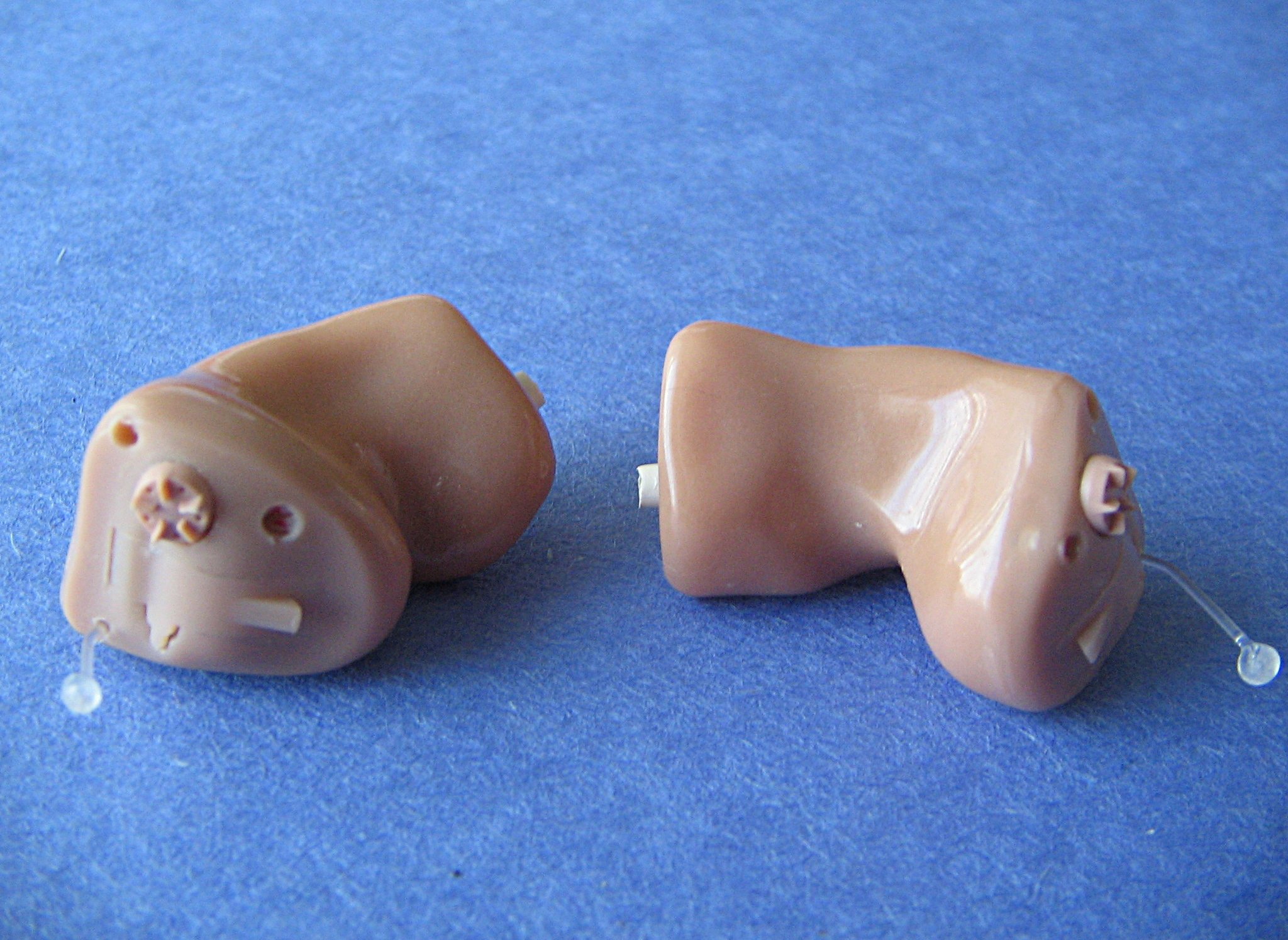
Hearing loss can look like a communication nuisance at first: missed words, louder television, or a parent saying "never mind" more often. It becomes a safety concern when those missed sounds start affecting alarms, medication routines, driving, phone calls, medical instructions, doorbells, or the ability to respond when someone needs help.
This guide is for adult children, spouses, family caregivers, and older adults who want a practical way to tell when hearing changes are creating real risk. The goal is not to panic or take over. The goal is to notice patterns early, make the home easier to navigate, and decide when an audiologist, primary care clinician, or other professional should be involved.
Why This Topic Matters
Hearing helps people track what is happening around them. A kettle whistling, smoke alarm chirping, oven timer, phone call, medication reminder, car horn, running water, or shouted warning can all carry safety information. When those signals are missed, the older adult may seem forgetful, distracted, stubborn, or withdrawn, even when the underlying problem is that the message never reached them clearly.
The tricky part is that hearing loss rarely affects every situation equally. A parent may follow a one-on-one conversation in a quiet room but miss instructions at a pharmacy counter. They may hear a landline but not a mobile phone in another room. They may understand familiar voices but struggle with masks, accents, background noise, or group settings. Safety planning works best when the family focuses on the settings where communication breaks down most often.
Families are often balancing privacy, independence, pride, cost, and caregiver worry at the same time. A calm plan gives everyone something concrete to test: improve audibility where risk is highest, reduce avoidable confusion, and make sure important information is not delivered only by sound.
Core Guidance
Start by naming the exact safety problem, not just the diagnosis. "Mom has hearing loss" is too broad to guide a plan. More useful observations sound like: "She does not hear the smoke alarm from the bedroom," "He misses the medication reminder unless he is beside the phone," or "She nods during appointments but cannot repeat the instructions afterward."
Then look at the environment. Background noise, distance, poor lighting, fast speech, turned backs, and multiple speakers can all make hearing harder. So can fatigue and stress. Before assuming the older adult is refusing help, watch whether the setup is making clear communication nearly impossible.
A practical plan separates urgent risks from longer-term improvements. Anything tied to fire safety, medication instructions, emergency calls, driving, falls, medical appointments, or inability to call for help deserves quick attention. Comfort upgrades and convenience tools matter too, but they should not crowd out the risks most likely to cause harm.
Finally, choose changes the older adult can realistically live with. The best tool is the one that is charged, worn, maintained, and accepted. A hearing aid in a drawer, an alert system no one understands, or a phone setting that resets every week will not protect anyone for long.
Practical Steps
- Walk through the home and list important sounds: smoke alarm, carbon monoxide alarm, doorbell, phone, oven timer, running water, appliance alerts, emergency calls, and caregiver check-ins.
- Test whether those sounds are heard from the bedroom, bathroom, kitchen, favorite chair, and outdoor areas where the person spends time.
- Add visual or vibrating alerts for high-risk signals, especially smoke alarms, doorbells, phone calls, and medication reminders.
- Ask medical offices, pharmacies, and service providers to give written instructions, not only spoken directions.
- Reduce background noise during important conversations by turning off the television, moving away from appliances, and facing the person directly.
- Confirm understanding with a respectful teach-back: "I want to make sure I explained that clearly. What did you hear the next step is?"
- Schedule a hearing evaluation if hearing has not been checked recently or if communication problems are increasing.
- Review hearing aids or assistive devices for fit, batteries, charging, wax buildup, cleaning, and whether the person actually feels comfortable using them.
Common Mistakes and Tradeoffs
A common mistake is treating louder volume as the only solution. More volume may help in some settings, but clarity, direction, background noise, and visual cues matter too. A television can be loud enough to bother everyone else while still sounding muddy to the person with hearing loss.
Another mistake is assuming agreement means understanding. Many older adults nod because they caught part of the message, feel embarrassed, or do not want to slow the conversation down. If the topic involves medication, appointments, money, driving, or emergency planning, confirm the details in writing.
Families can also buy too many devices at once. Amplified phones, alerting systems, hearing aids, television listeners, captioning apps, and smart speakers can all help, but each one adds setup and maintenance. Start with the risk that matters most, then add tools only when someone is responsible for keeping them working.
There are real emotional tradeoffs. A parent may resist hearing aids because they feel aging, expensive, uncomfortable, or public. A caregiver may push hard because missed communication has become exhausting. It often helps to connect the change to a goal the person already cares about, such as hearing a grandchild, catching the doorbell, understanding the doctor, or feeling safer when home alone.
When More Help May Be Needed
Bring in professional help when hearing problems are changing safety decisions, not just conversations. Examples include missed medication instructions, repeated appointment confusion, inability to hear alarms, new driving concerns, withdrawal from essential errands, or frequent misunderstandings with clinicians and caregivers.
Sudden hearing loss, ear pain, drainage, dizziness, severe ringing, facial weakness, sudden confusion, fainting, chest pain, trouble breathing, or a major change in walking should be treated promptly. Those symptoms may point beyond ordinary age-related hearing change and need medical guidance.
For non-emergency concerns, an audiologist can evaluate hearing, discuss hearing aids or assistive listening devices, and check whether existing devices are working well. A primary care clinician can look for wax buildup, medication issues, infection, or other treatable contributors. An occupational therapist may help match home alert systems to the person's routine.
Common Questions
What is the best first step?
Write down three recent moments when hearing created risk or confusion. Include where it happened, what sound or message was missed, what the consequence was, and what would have made the information easier to receive. That gives the family a practical starting point instead of a vague worry.
How fast do we need to act?
Act quickly when missed sounds affect alarms, medication, emergency calls, driving, falls, or medical instructions. Even when the situation is not an emergency, make one concrete change this week, such as written appointment notes, visual phone alerts, or testing whether alarms can be heard from the bedroom.
Should we buy hearing aids right away?
Hearing aids may be appropriate, but a hearing evaluation should guide that decision. If the person already has hearing aids, first check fit, charging, cleaning, batteries, comfort, and whether the devices are being worn in the situations where safety problems happen.
When should we involve outside help?
Involve outside help when hearing problems are causing repeated confusion, caregiver conflict, missed instructions, isolation, or inability to respond to important sounds. A professional review can also help when the family is unsure whether the problem is hearing, cognition, medication side effects, fatigue, or the environment.
How to Prioritize Changes
Sort possible changes into three groups. First are immediate safety items: alarms, emergency calls, medication instructions, and urgent medical communication. Second are daily friction points: phone calls, doorbells, television volume, meal timers, family conversations, and appointment reminders. Third are quality-of-life improvements that matter but can wait until the highest-risk gaps are covered.
This sorting keeps the conversation more respectful. Instead of arguing over whether a parent "needs hearing aids," the family can agree that the smoke alarm must be noticeable, the doctor must provide written instructions, and the phone needs a stronger alert. Those are safety supports, not judgments about character or independence.
How to Talk About the Change
Many older adults resist hearing-related changes when the conversation starts with blame: "You never listen," "You ignore us," or "You cannot live alone like this." A better opening is specific and practical: "I noticed you did not hear the timer twice this week, and I want to make the kitchen easier to manage."
Use the person's own goals whenever possible. For one person, the motivation may be hearing grandchildren. For another, it may be staying confident at church, handling appointments independently, answering the door, or not missing calls from a spouse. Safety changes are easier to accept when they protect something meaningful.
A Simple Review Routine
After making a change, review it within one or two weeks. Ask what is easier, what is still frustrating, and whether the person is using the tool without reminders. Check batteries, chargers, phone settings, captioning, written instruction habits, and whether alerts can still be noticed from the rooms that matter.
Keep the review short and concrete. If the alert works but is annoying, adjust it. If the hearing aids help but are uncomfortable after lunch, ask for a fit check. If written instructions prevent medication confusion, make that the standard for every appointment. Small refinements are usually easier to sustain than a dramatic overhaul.
Questions to Revisit With Family
Revisit whether the plan still works on tired days, rushed mornings, bad-weather days, and after medical appointments. Hearing challenges often become more obvious when people are stressed, in a hurry, or dealing with background noise. A plan that only works during calm one-on-one conversations may not be protective enough.
It also helps to name who will notice if the setup stops working. A daughter who calls nightly may notice missed calls. A spouse may notice appliance timers. A neighbor may notice unanswered doorbells. A clinician may notice appointment confusion. Clear ownership makes it easier to respond before small problems become emergencies.
How to Keep the Plan Manageable
The best hearing-safety plan is simple enough for an ordinary day. If it depends on constant reminders, complicated charging routines, or one family member who understands every device, simplify it. Make the most important alerts visible or vibrating, keep written instructions in one predictable place, and choose tools the older adult is willing to use.
Document one short routine, one backup plan, and one sign that means the plan needs review. For example: "Phone calls vibrate on the watch and flash on the lamp. If two family calls are missed in one day, we check the charger and phone settings." That level of detail prevents safety from depending on memory alone.
What Success Usually Looks Like
A workable plan feels calmer before it feels perfect. The older adult hears or sees the most important alerts, appointments are less confusing, family conversations involve less repeating, and caregivers spend less time wondering whether a missed response means danger.
Success also means the plan keeps working after the first week. If everyone knows which sounds matter, which alerts support them, and who checks when something fails, hearing loss becomes a manageable safety factor instead of a daily source of uncertainty.