
guide
How to Help a Parent Accept Hearing Support
How to Help a Parent Accept Hearing Support should explain the issue clearly, reduce uncertainty, and point readers toward practical next steps.
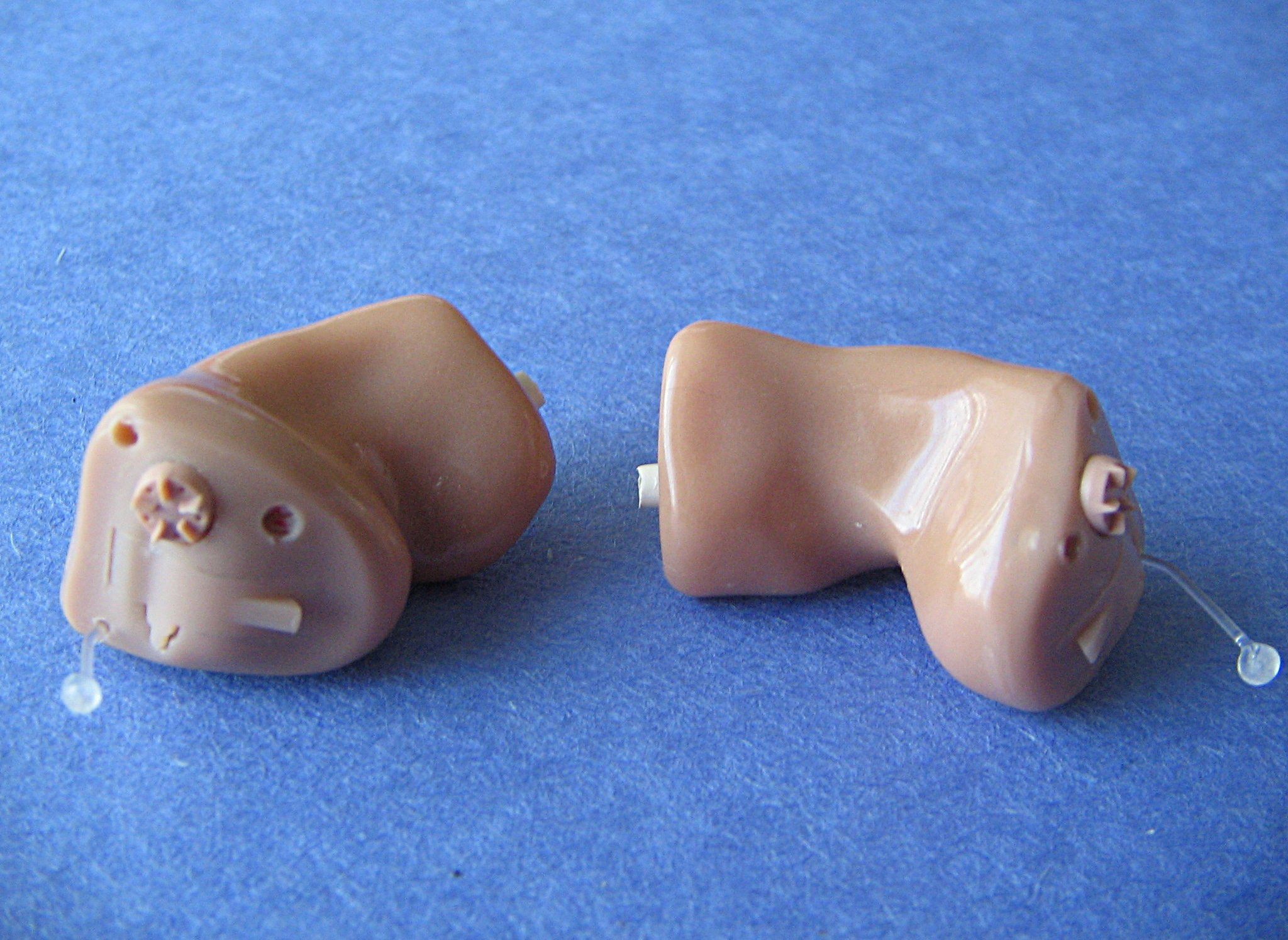
Hearing support can be a sensitive subject because it touches pride, privacy, money, and the fear of looking older. Many parents do not reject help because they are stubborn. They may be embarrassed, overwhelmed by choices, worried about cost, or unconvinced that hearing loss is changing daily life as much as family members say it is.
The goal is not to win an argument about hearing aids. The goal is to help your parent notice what hearing support could protect: easier conversations, less fatigue, safer medication instructions, better phone calls, and more confidence in noisy places. A calm, specific approach usually works better than repeated reminders that they "need hearing aids."
Why This Topic Matters
Untreated hearing loss can affect more than conversation. It can make family visits feel tense, increase social withdrawal, and make it harder to follow medical instructions, hear alarms, or understand someone calling from another room. It can also create a loop where a parent seems inattentive or irritable when the real issue is that listening has become exhausting.
For adult children, the frustration is real. You may repeat every sentence, watch your parent nod when they did not understand, or see them avoid restaurants and group gatherings they once enjoyed. Still, pushing harder often makes the conversation worse because your parent may hear criticism instead of concern.
Acceptance usually grows in stages. Your parent may first agree that some situations are difficult, then agree to a hearing check, then consider a low-pressure trial or assistive device. Treat each step as progress.
Start With What They Care About
Begin with a goal your parent already values. That might be hearing a grandchild on the phone, following church services, understanding a doctor without guessing, watching television at a comfortable volume, or feeling less left out at dinner. A goal-based conversation feels less like a diagnosis and more like practical problem-solving.
Use specific observations instead of labels. "You missed three things Dr. Patel said today, and I do not want either of us guessing about medication changes" is usually easier to hear than "Your hearing is bad." Specific examples reduce shame and make the next step clearer.
Avoid making hearing support a referendum on independence. Many older adults fear that accepting help means admitting decline. You can reframe it as a tool for staying independent longer: hearing the pharmacist, managing appointments, following conversations, and participating without relying on a family member to translate.
Understand the Common Objections
If your parent says hearing aids make people look old, acknowledge the feeling before offering facts. Many modern devices are small, but embarrassment is not solved by product specifications alone. Ask what would feel unacceptable: visibility, maintenance, background noise, cost, or being treated differently.
If cost is the barrier, separate the hearing evaluation from the purchase decision. A hearing test does not obligate anyone to buy a premium device. Depending on the type and severity of hearing loss, options may include prescription hearing aids, over-the-counter hearing aids, personal sound amplification for specific situations, captioned phones, TV listening devices, or changes to the home communication setup.
If they tried hearing aids years ago and hated them, take that history seriously. Devices, fitting methods, and adjustment support have changed, but the earlier experience still matters. Ask what failed last time. Was the sound too sharp? Did batteries feel fiddly? Was background noise unbearable? Did no one help with follow-up? Those answers shape a better trial.
If your parent insists everyone mumbles, do not argue about whose fault it is. Try a practical test: face them, reduce background noise, speak clearly, and see whether misunderstandings continue. You can also suggest a baseline hearing check the same way you would suggest an eye exam.
Choose a Low-Pressure First Step
A good first step is often a hearing evaluation with an audiologist, hearing instrument specialist, or appropriate clinic. The purpose is to learn what kind of hearing loss is present, whether earwax or a medical issue might be involved, and which support options are realistic. If hearing loss is sudden, one-sided, accompanied by dizziness, pain, drainage, or rapid change, contact a medical professional promptly rather than treating it as a routine device-shopping issue.
You can make the appointment easier by offering practical help without taking over. Ask whether your parent wants you to schedule it, drive, sit in, or simply help compare options afterward. Some parents want privacy during testing; others want another set of ears in the room. Respecting that choice helps preserve dignity.
Before the visit, write down three real situations where hearing is causing problems. Examples might include phone calls, television, restaurants, medical visits, alarms, or conversations from another room. This gives the clinician useful context and keeps the appointment focused on daily life rather than abstract test results.
Compare Options Without Overwhelming Them
Hearing support is not one product category. Prescription hearing aids are fitted and adjusted for an individual's hearing profile and often include follow-up support. Over-the-counter hearing aids may be appropriate for some adults with perceived mild to moderate hearing loss, but they still require setup, realistic expectations, and enough dexterity to manage them. Assistive listening devices may help with one problem, such as TV volume or phone calls, even if your parent is not ready for daily hearing aids.
Keep the comparison simple. Instead of presenting a long list of brands, compare options by the questions your parent will actually live with: How visible is it? How does it charge? What happens if it whistles or feels uncomfortable? Who adjusts it? Can it be returned? What is the trial period? What is covered if it breaks?
Discuss money early and plainly. Ask for a written estimate that separates device cost, fitting, follow-up visits, accessories, warranties, and return policies. If insurance, Medicare Advantage, Medicaid, veterans benefits, or local hearing assistance programs may apply, verify the details before assuming the family must pay the full retail price.
Make the Trial Period Easier
The first days with hearing aids can be tiring. Sounds that have been missing may feel too loud or strange. Encourage a gradual plan: wear them at home for a few hours, then during a quiet visit, then in a slightly busier setting. Jumping straight into a noisy restaurant can make the devices seem like a failure when the real issue is adjustment.
Create a small troubleshooting routine. Keep the charger or batteries in one consistent place. Write down how to clean the devices, how to tell left from right, and who to call for adjustments. If your parent has arthritis, tremor, low vision, or memory changes, choose equipment and storage that match those limits.
Track results in everyday terms. Can they follow a phone call more easily? Is the television volume lower? Are medical appointments less confusing? Are they less tired after family visits? These benefits are more persuasive than telling someone their hearing test improved.
Schedule follow-up adjustments instead of assuming the first fitting is final. Many people need several changes before hearing support feels natural. If your parent complains about sharp sounds, background noise, soreness, or difficulty inserting the device, treat it as information to bring back to the provider, not as proof that the whole idea failed.
Improve Communication While You Wait
Family habits matter even when devices are part of the plan. Face your parent before speaking. Get their attention first. Lower background noise when possible. Speak clearly at a normal pace instead of shouting. Rephrase rather than repeating the same words louder. In groups, make sure only one person speaks at a time.
These changes are not a substitute for hearing care, but they reduce frustration and show respect. They also help your parent notice the difference between a difficult listening environment and a personal failure.
For medical visits, use extra support. Ask for written instructions, patient portal summaries, or permission to record instructions if the clinic allows it. Sit where your parent can see the clinician's face. Repeat back medication changes before leaving. Hearing difficulty can quietly turn into safety risk when instructions are missed.
What Not to Do
Do not shame your parent in front of others. Public correction may get a short-term reaction, but it often makes the person more defensive. If a family gathering made the problem obvious, discuss it later in private.
Do not make a major purchase during a high-pressure sales visit without understanding the return policy. A reputable provider should be willing to explain trial periods, follow-up care, warranties, and total cost in writing.
Do not assume the smallest device is always best. A tiny device may be discreet, but it may also be harder to handle, clean, charge, or insert. For some older adults, ease of use matters more than invisibility.
Do not treat refusal as the end of the conversation. If your parent says no today, ask what would make the next step feel less uncomfortable. Then pause. Returning later with one smaller option often works better than continuing the same argument.
When to Involve More Help
Involve a clinician promptly if hearing changes suddenly, is much worse on one side, comes with dizziness, ear pain, drainage, ringing that changes quickly, or new confusion. These signs may need medical evaluation before any hearing-aid decision.
Also consider outside help when hearing problems are straining caregiving. An audiologist, primary care clinician, geriatric care manager, occupational therapist, or social worker may help match support to your parent's health, dexterity, cognition, budget, and home routines.
If memory changes are part of the picture, keep expectations realistic. A parent with cognitive impairment may need caregiver help with charging, cleaning, placement, and daily checks. The right question is not only "Will they wear this?" but "Can the household support the routine this device requires?"
A Practical Conversation Script
Try a short, non-accusing opening:
"I know this is annoying to talk about. I am not trying to push you into anything today. I noticed the last two doctor visits were hard to follow, and I worry we could miss something important. Would you be willing to get a hearing check so we know what we are dealing with?"
If they resist, ask:
"What part bothers you most: the cost, how it looks, the appointment, or the idea of wearing something?"
Then listen. The answer tells you which barrier to solve first.
What Success Usually Looks Like
Success may begin with a hearing test, not a device. It may look like your parent agreeing to try a TV listening system, wearing hearing aids for part of the day, or letting you come to one appointment. Small steps count when they move the family from denial and frustration toward information and choice.
Over time, the right support should make life feel less effortful. Conversations need fewer repeats. Medical visits are clearer. Social events feel possible again. Your parent has more control, not less, because they are spending less energy guessing what everyone else is saying.