
how_to
How to Choose OTC Hearing Aids
Readers looking for How to Choose OTC Hearing Aids usually need straightforward actions, not vague advice.
Over-the-counter hearing aids can be a useful first step when an adult has mild to moderate hearing trouble and wants help without starting with a clinic visit. They are not the right answer for every hearing problem, though. The best choice depends on the person's hearing pattern, dexterity, comfort with phone apps, budget, and willingness to keep adjusting the device after purchase.
For family caregivers, the goal is not to buy the most advertised pair. The goal is to choose a device the person will actually wear during conversations, phone calls, TV time, medical appointments, and errands. A less expensive model with a clear return policy and easy controls may be better than a complicated device that stays in a drawer.
Start With the Right Candidate
OTC hearing aids are intended for adults age 18 and older who believe they have mild to moderate hearing loss. A good candidate may hear reasonably well in quiet one-on-one conversation but struggle when people are across the room, when there is background noise, when watching TV, or when talking on the phone. They may ask others to repeat themselves, miss parts of group conversations, or turn up the television beyond a comfortable level for everyone else.
OTC hearing aids are not designed for children, sudden hearing changes, one-sided hearing loss, severe hearing loss, ear pain, drainage, dizziness with hearing symptoms, or a feeling that something is stuck in the ear. Those situations should be checked by a physician or hearing health professional before shopping. The same is true when the person cannot hear loud sounds, has trouble following conversation even in quiet settings, or has hearing that changes quickly.
If you are unsure, a hearing screening from an audiologist, primary care office, community health program, or reputable hearing test app can help you decide whether OTC is a reasonable first step. The screening does not force you into prescription hearing aids; it simply gives the family better information before spending money.
Know What OTC Hearing Aids Are, and Are Not
OTC hearing aids are regulated medical devices for adults with perceived mild to moderate hearing loss. They are different from personal sound amplification products, often called PSAPs, which are meant for people with normal hearing who want to make certain sounds louder for activities like birdwatching or listening at a distance. A PSAP may amplify sound, but it is not a hearing aid for treating hearing loss.
Prescription hearing aids are still the better route when hearing loss is more complex, severe, asymmetric, or tied to medical symptoms. They also come with professional testing, fitting, counseling, and follow-up. OTC devices shift more of that work to the buyer. That can lower barriers and cost, but it means the family must pay close attention to setup, fit, returns, maintenance, and support.
The practical question is this: can the older adult safely self-fit the device, or can a family member help without turning it into a daily struggle? If the answer is no, professional support may be worth the extra cost.
Choose the Style Around Daily Use
Most OTC options fall into a few broad styles. Behind-the-ear and receiver-in-canal designs place part of the device behind the ear with a small piece in the ear canal. These can be easier to handle, may offer better battery life, and often work well for people who want rechargeable devices or smartphone controls.
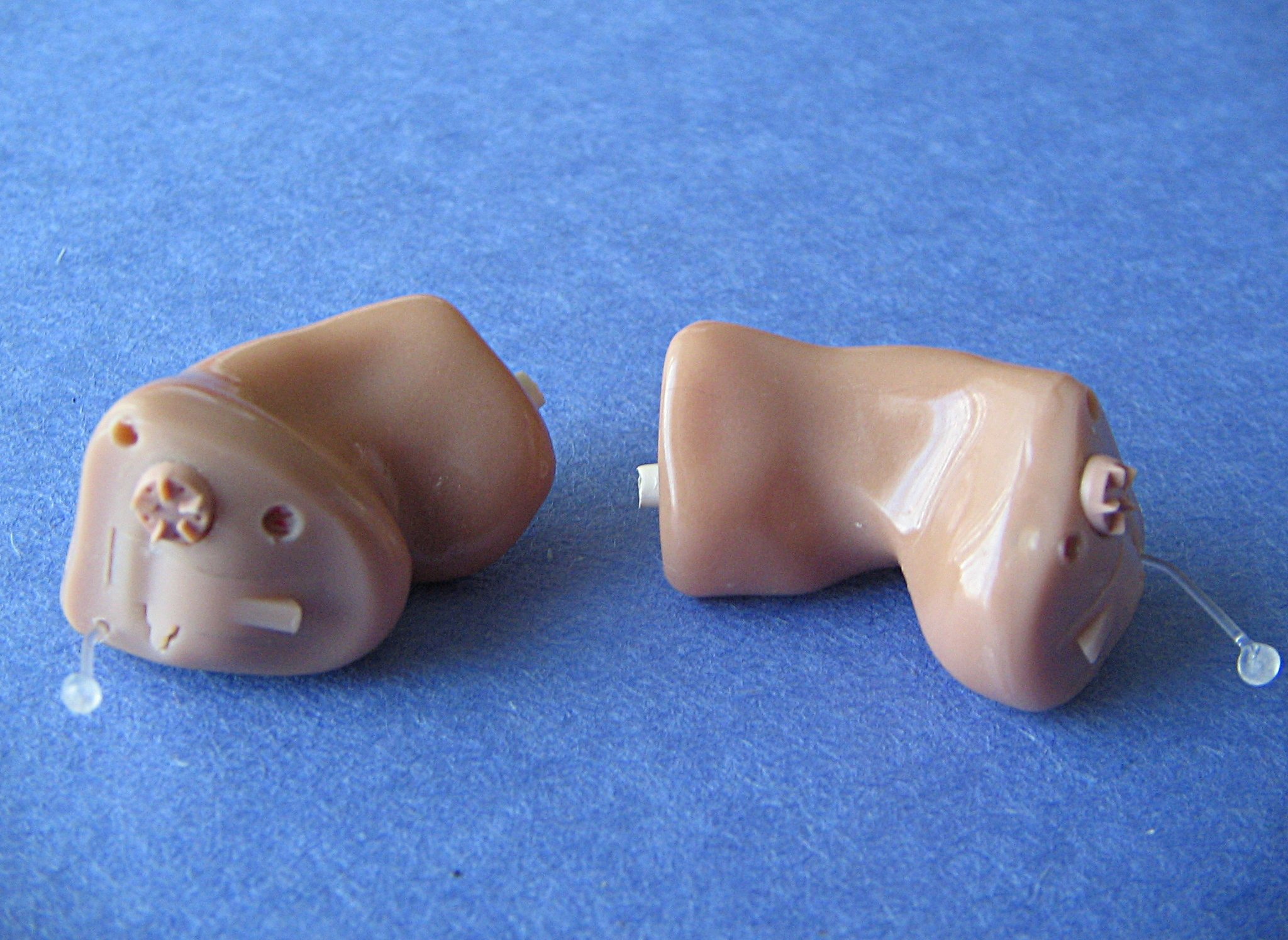
In-the-ear and earbud-style devices sit more fully in the ear. Some people like them because they look familiar or discreet. Others find them harder to insert, easier to misplace, or less comfortable after several hours. If the person has arthritis, tremor, neuropathy, low vision, or memory changes, do not underestimate the importance of size and handling.
Before buying, ask the person to practice with similar small objects: opening a tiny charging case, lining up right and left pieces, cleaning a small tip, and reading small markings. A device that requires fine finger control may be a poor match even if the sound quality is good.
Compare Features That Matter at Home
Good OTC hearing aid shopping starts with ordinary listening situations, not a feature list. Write down the three situations that matter most: hearing a spouse at breakfast, following conversation in a restaurant, hearing the doorbell, talking to grandchildren on video calls, or understanding instructions at medical visits.
Then compare features against those situations:
- Directional microphones can help focus on speech in front of the listener.
- Noise reduction may make busy rooms less exhausting, though it will not make background noise disappear.
- Feedback control helps reduce whistling.
- Rechargeable batteries reduce tiny battery handling, but require a consistent charging routine.
- Replaceable batteries may be useful during travel or power outages, but can be difficult for stiff hands.
- Smartphone app controls allow more adjustment, but may frustrate people who do not use apps comfortably.
- Bluetooth streaming can help with calls, TV, or music, but setup and pairing need to be manageable.
Look carefully at whether the device is self-fitting. Some devices guide the user through a hearing check and create settings from the results. Others offer simpler volume or preset controls. A self-fitting model can be helpful for a tech-comfortable adult; a simpler preset model may be better for someone who wants fewer choices.
Check the Return Policy Before the Price
Hearing aids often feel strange during the first week. The person's own voice may sound different, dishes may seem too sharp, and background noise may feel louder than expected. That adjustment period is normal, but it also means a return window matters.
Before buying, confirm the trial length, restocking fees, warranty, customer support hours, repair process, and whether support is available by phone instead of only chat or email. Save the box, charger, domes, receipts, and order number until the family is sure the device will stay.
For many caregivers, the safest buying plan is to choose a reputable retailer or manufacturer with a clear return process, even if another seller is slightly cheaper. A low price is less helpful if the device cannot be returned after it fails in the exact situation you bought it for.
Set a Realistic Budget
OTC hearing aids can cost far less than many prescription pairs, but prices still vary widely. Budget for the complete first year, not only the device. Include replacement tips or domes, cleaning tools, batteries if needed, shipping, extended warranty decisions, and possible professional help if setup does not go well.
Avoid buying based only on the highest discount or the longest list of features. Families often do better with a device that has clear instructions, accessible support, a comfortable fit, and a return policy long enough to test real life. If money is tight, prioritize reliability, returnability, and ease of use over advanced streaming or app features.
Also check whether a Medicare Advantage plan, retiree plan, union benefit, HSA, FSA, Veterans Affairs benefit, or local hearing-assistance program can help with costs. Traditional Medicare usually does not cover routine hearing aids, but individual coverage situations vary.
Plan the First Two Weeks
The first two weeks determine whether the hearing aids become part of daily life. Pick a quiet day for setup. Charge the devices fully, read the quick-start guide, install any app, label the charger location, and take a photo of the final settings in case they are changed accidentally.
Start with short, predictable listening sessions. A good first day might include breakfast conversation, a phone call, and one television program at a normal volume. Avoid judging the device for the first time in a loud restaurant or large family gathering. Those environments are difficult even for many prescription hearing aids.
Keep a simple listening log with three columns: where the person used the hearing aids, what improved, and what was still hard. This helps the family decide whether to adjust the fit, change domes, try another setting, call support, or return the device.
Watch for Fit and Maintenance Problems
Many failures are fit problems, not hearing-aid failures. If the device whistles, slips out, feels plugged, causes soreness, or makes speech unclear, check the dome size, insertion depth, wax guard, microphone openings, and app settings. Small changes can make a big difference.
Build maintenance into an existing routine. The hearing aids need a consistent place to charge or store, regular cleaning, dry hands during handling, and a backup plan for travel. If the person has memory changes, use a visible charging station and a short checklist near the nightstand rather than relying on reminders.
Pain, drainage, bleeding, new dizziness, or sudden changes in hearing are not adjustment issues. Stop using the device and seek medical advice.
Decide When to Switch to Professional Help
An OTC trial is useful even when it does not work, because it reveals what kind of help is needed. Consider an audiologist or hearing professional if the person cannot get a comfortable fit, still misses quiet conversation after careful adjustment, hears much better in one ear than the other, cannot manage the controls, or avoids wearing the devices because sound is overwhelming.
Professional help is also wise when hearing problems are affecting safety. Missed smoke alarms, doorbells, phone calls, medication instructions, or caregiver directions can raise the stakes. In those cases, hearing aids may need to be paired with visual alert systems, captioned phones, TV listening devices, or home safety changes.
Questions to Ask Before Buying
Use these questions before choosing a specific model:
- Is this labeled as an OTC hearing aid for adults with mild to moderate hearing loss?
- What is the full return window, and are there fees?
- Can the person insert, remove, charge, clean, and adjust it without daily frustration?
- Does support happen by phone, app, video, email, or in person?
- Are replacement tips, wax guards, chargers, and batteries easy to buy?
- Can the device handle the person's top three listening situations?
- What happens if the hearing aid is lost or damaged?
- Is there a written warranty, and what does it exclude?
If the answers are vague, keep shopping. Hearing aids require follow-through, and vague support before purchase usually does not improve after purchase.
A Caregiver-Friendly Bottom Line
The best OTC hearing aid is the one that matches the person's hearing needs, hands, habits, patience, and budget. Start by confirming that OTC is appropriate, choose a style the person can manage, protect yourself with a clear return policy, and test the device in ordinary routines before the trial window closes.
If the hearing aids help, build them into daily life with charging, cleaning, and review habits. If they do not help, do not treat that as failure. It may mean the hearing loss needs professional testing, a different style, stronger fitting support, or additional alerting devices at home. The win is getting to a clearer next step instead of leaving hearing problems to quietly shrink the person's world.