
guide
Hearing Loss at Home
Hearing Loss at Home should explain the issue clearly, reduce uncertainty, and point readers toward practical next steps.
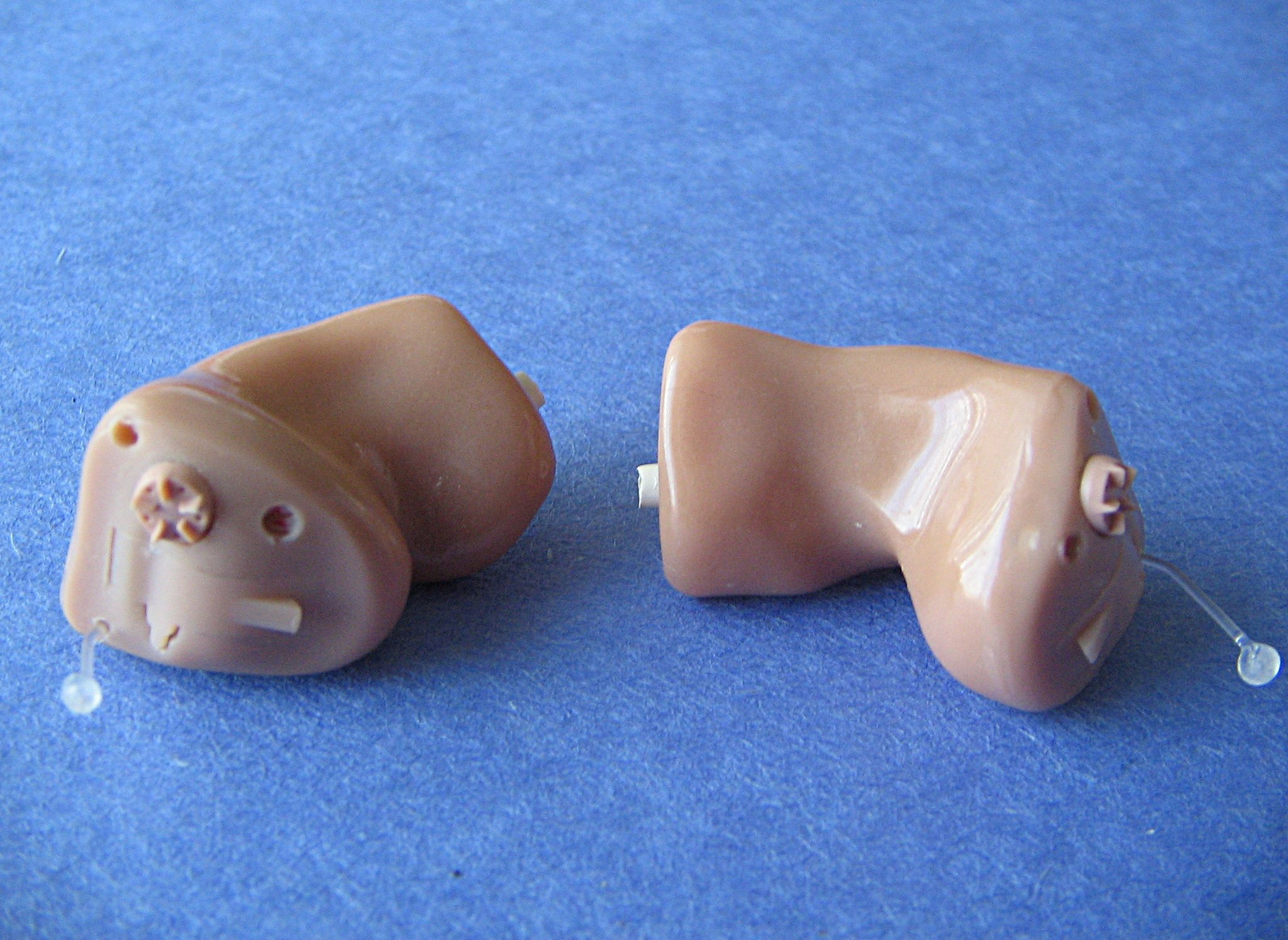
Hearing loss at home can look like stubbornness, distraction, or memory trouble when the real problem is that speech, alarms, phone calls, and background sounds are no longer clear. A quieter, more predictable home setup can reduce conflict and help an older adult stay connected without making every conversation feel like a test.
This guide is for families who are noticing missed words, repeated questions, loud television volume, or trouble hearing visitors, phones, doorbells, smoke alarms, and medication reminders. The goal is not to diagnose hearing loss at the kitchen table. It is to make the home easier to hear in, decide when professional evaluation is needed, and choose changes the person will actually use.
Why Hearing Loss Changes Home Life
Hearing loss rarely affects only conversation. At home it can change how safely someone responds to the oven timer, a delivery at the door, a water leak alarm, a phone call from a clinician, or a spouse calling from another room. It can also make family visits exhausting because the older adult has to work hard to follow fast speech.
Families often notice the emotional side first. The person may withdraw from dinners, seem irritated, answer the wrong question, or insist people are mumbling. Caregivers may start raising their voices, repeating themselves impatiently, or avoiding important conversations because they know they will be hard.
Treat those moments as clues, not character flaws. A good home plan makes communication easier before frustration takes over.
Start With the Everyday Problem
Before buying anything, identify where hearing loss causes the most trouble. The best fix for missed phone calls may be different from the best fix for hearing grandchildren, understanding television dialogue, or waking to an alarm.
Walk through one ordinary day and write down where sound matters. Include morning medication reminders, doorbells, microwave beeps, phone calls, television, medical instructions, conversations from another room, and nighttime emergency alerts. Mark each one as low risk, annoying, or safety related.
Prioritize safety-related sounds first. Smoke and carbon monoxide alarms, emergency calls, stove timers, and calls for help deserve attention before comfort upgrades. After that, focus on the communication problem that causes the most daily stress.
Make Conversations Easier
Most families can improve communication with a few changes that do not require equipment. Face the person before speaking, say their name first, and keep your mouth visible. Move closer instead of calling from another room. Turn off running water, television, fans, or music before starting an important conversation.
Speak clearly at a normal pace. Shouting often distorts speech and can feel disrespectful. If the person misses a sentence, rephrase it instead of repeating the exact same words louder. For example, change "The therapist moved your appointment to Thursday" to "Your therapy visit is now Thursday afternoon."
For decisions, use a written backup. A small notebook, whiteboard, printed calendar, or text message can prevent misunderstandings about medication changes, appointments, bills, and caregiving schedules. Written notes are not a substitute for conversation, but they lower the stakes when hearing is unreliable.
Check the Home Sound Environment
Some rooms are much harder to hear in than others. Kitchens, tiled bathrooms, open-plan living rooms, and rooms with televisions or appliances can blur speech. Soft furnishings, rugs with secure backing, curtains, and quieter seating arrangements can help by reducing echo and background noise.
Set up conversation zones. Choose one well-lit seat where the older adult can see faces clearly and sit close enough to hear. Avoid seating them with their back to a bright window, because glare makes lip and facial cues harder to read.
Television is another common pressure point. Try captions first, then adjust the TV's speech or dialogue setting if available. Wireless TV headphones or a TV listening system may help one person hear without raising the volume for everyone else.
Do Not Ignore Safety Alerts
If an older adult may not hear a smoke alarm, carbon monoxide alarm, doorbell, phone, or weather alert, treat that as a safety issue. Look for devices that add flashing lights, bed shakers, vibration, or connected phone notifications. Many homes need more than one signal because a person may be awake in the living room during the day and asleep behind a closed bedroom door at night.
Test alerts in real conditions. Can the person notice the alarm while the TV is on? From the bathroom? While sleeping? If the answer is no, the alert system needs adjustment.
For people who live alone, pair alert changes with a check-in plan. Make sure at least one trusted person knows how to reach them, what to do if calls go unanswered, and whether there is a backup key or entry plan for emergencies.
When to Arrange a Hearing Evaluation
A hearing evaluation is worth considering when hearing trouble affects safety, medical instructions, family conflict, social withdrawal, or daily confidence. It is also important if hearing changes suddenly, if one ear changes much more than the other, or if hearing loss comes with dizziness, ear pain, drainage, or new ringing. Sudden hearing changes should be treated as urgent medical concerns.
An audiologist or hearing professional can measure the type and pattern of hearing loss, explain whether hearing aids may help, and recommend assistive listening devices. A primary care clinician can also check for issues such as earwax, infection, medication effects, or other medical causes.
Bring specific examples to the appointment. "She cannot hear the doorbell from the bedroom" or "He misses half of phone conversations with the pharmacy" is more useful than "hearing is getting worse."
Choosing Hearing Aids or Assistive Devices
Hearing aids can be helpful, but they are not magic switches. They require fitting, practice, cleaning, battery or charging routines, and follow-up adjustments. If the person has dexterity, memory, vision, or comfort issues, those practical details matter as much as the device features.
Ask how the device will work in the person's real home. Can they manage charging? Can they change programs or volume? Will the hearing aid connect to their phone? What happens in restaurants, cars, or rooms with background noise? What is the trial period, return policy, warranty, and follow-up schedule?
Assistive listening devices may solve narrower problems. Amplified phones, captioned phones, TV listening systems, remote microphones, vibrating alarm clocks, and visual doorbell alerts can be useful even when someone is not ready for hearing aids or needs extra help in one setting.
Practical Checklist
- Identify the top three hearing trouble spots at home.
- Fix safety alerts before comfort issues.
- Add captions for television and video calls.
- Set one quiet, well-lit conversation spot.
- Write down medication, appointment, and care instructions.
- Stop calling from another room for important information.
- Test doorbells, alarms, and phone alerts in real conditions.
- Schedule a hearing evaluation if daily life, safety, or relationships are being affected.
- Review any new hearing device after one week, one month, and after follow-up adjustments.
Common Mistakes
One mistake is assuming hearing loss is mainly a volume problem. Many people can hear that someone is talking but cannot understand the words clearly, especially with background noise. That is why simply speaking louder may not solve the problem.
Another mistake is buying devices without planning the routine. A hearing aid that stays in a drawer, a captioned phone no one knows how to answer, or an alarm system that is never tested will not protect anyone. Choose fewer tools and make sure the person can use them on an ordinary tired day.
Families can also turn hearing loss into a blame cycle. The older adult may feel criticized, while relatives feel ignored. A better script is specific and practical: "I want us to make phone calls and alarms easier to catch," not "You never listen."
How to Review the Plan
After making changes, ask what improved and what still feels hard. The person may hear the television better but still miss phone calls. They may like captions but dislike wearing headphones. They may hear well in the living room and struggle at family dinners.
Use those details to adjust the plan. Move a chair, add a visual alert, try a remote microphone, or schedule a hearing-aid follow-up. Hearing support is often a series of small refinements, not a single purchase.
Also watch for changes over time. Illness, medication changes, earwax, cognitive changes, or worsening hearing can make a once-workable setup less reliable. A simple review every few months can keep the home safer and conversations less strained.
What to Tell Other Helpers
Anyone who regularly visits the home should know the communication basics. Paid caregivers, relatives, neighbors, and meal delivery contacts may need to know which doorbell signal works, whether phone calls are hard to understand, and where written reminders belong.
Keep the guidance short. A note such as "face Dad before speaking, use the kitchen whiteboard for appointment changes, and call my cell if he does not answer twice" is easier to follow than a long explanation.
Common Questions
What is the best first step for hearing loss at home?
Start by identifying the specific moments that are causing trouble: conversations, television, phone calls, alarms, medical instructions, or visitors at the door. Then fix the highest-risk sound first.
Should we buy hearing aids right away?
Not necessarily. A hearing evaluation is the better first step when hearing loss is affecting daily life. Hearing aids may be part of the answer, but captions, visual alerts, amplified phones, and communication changes can also help.
How can we talk about hearing loss without starting an argument?
Connect the change to a shared goal: easier conversations, fewer missed calls, safer alerts, or less fatigue. Avoid turning every missed word into proof that something is wrong.
What if hearing aids were tried before and rejected?
Ask why they did not work. The problem may have been comfort, cost, background noise, maintenance, poor fit, or unrealistic expectations. A follow-up appointment or a more focused assistive device may be more acceptable than repeating the same approach.