
compare
Hearing Aids vs TV Headphones
Readers comparing Hearing Aids vs TV Headphones need clearer tradeoffs, not generic feature lists.
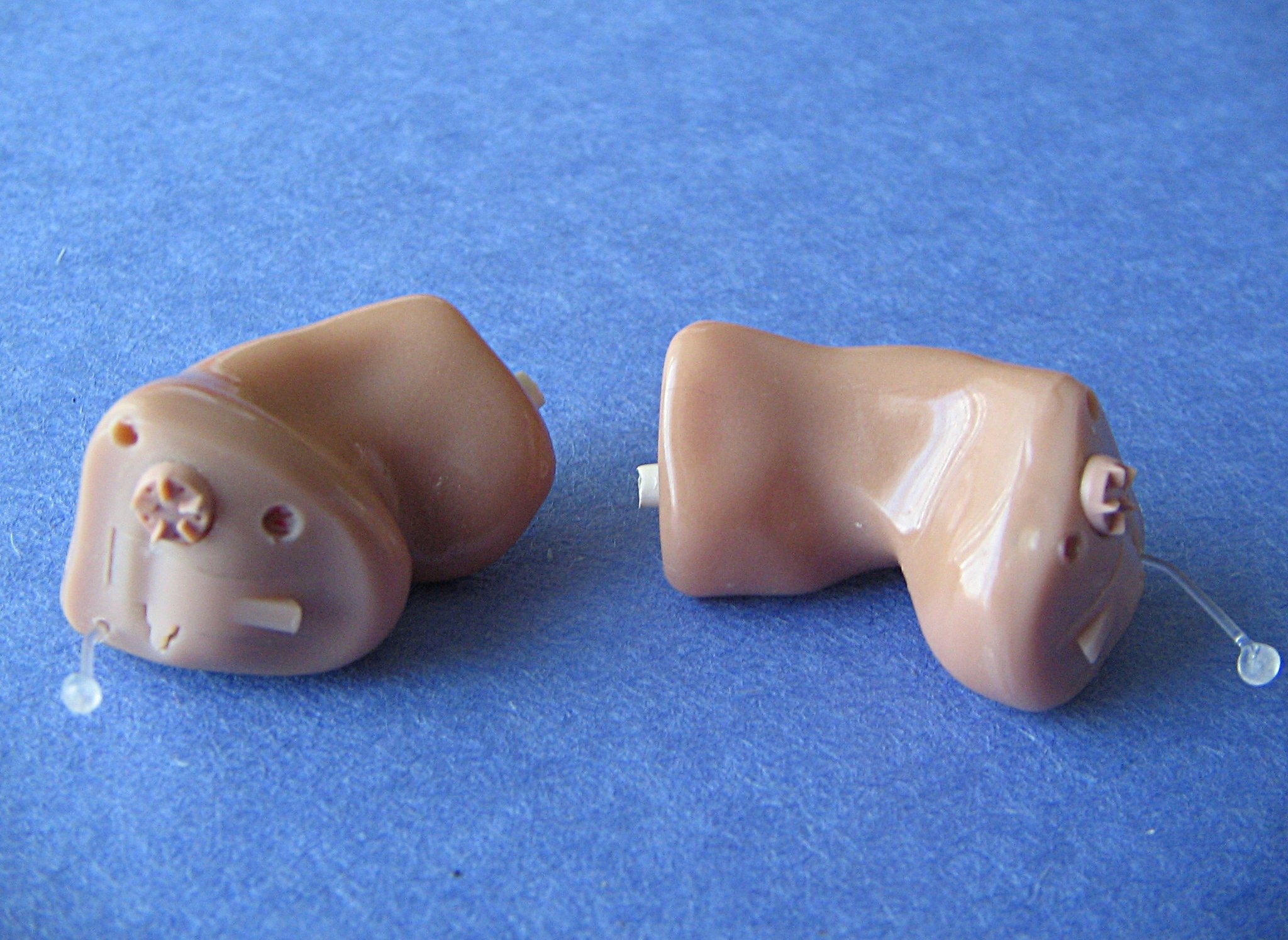
If a parent keeps turning up the television, start by asking where else listening is difficult. Hearing aids address hearing loss across daily activities. TV headphones deliver television audio to one listener and can let that person choose a separate volume. A quieter living room is useful, but it does not tell you whether conversations, telephone calls, or other sounds are becoming harder to hear.
For families comparing hearing aids vs TV headphones, the choice often involves two decisions: how to support everyday hearing, and how to make television comfortable. Someone may need hearing aids and still prefer a dedicated TV connection. Another person may want headphones for late-night viewing without needing a hearing aid. This guide compares the routines each option supports and gives you a practical way to try them at home.
Compare the job each device does
| Question | Hearing aids | TV headphones | | --- | --- | --- | | Main purpose | Support hearing for someone with hearing loss | Deliver TV audio directly to the wearer | | Away from the television | Can support everyday listening | Usually offer no help with ordinary conversation | | TV connection | May use room sound or a compatible streaming accessory | May connect by cable, a transmitter, or supported wireless audio | | Individual volume | Depends on hearing-aid controls and connection | Often has a separate control; confirm how it works | | Hands-on tasks | Insertion, cleaning, charging or batteries, adjustments | Putting on the headset, adjusting volume, charging, selecting the connection | | Family viewing | Depends on TV output settings and accessory compatibility | Depends on whether TV speakers can stay on simultaneously | | Key buying question | Does the device and support suit the person's hearing needs? | Does this exact setup work with the TV and the viewer? |
The table is a starting point for a trial, not a guarantee about every model. For example, a headset with a simple charging cradle may be easier for one parent than a phone-controlled accessory. For another, removing hearing aids to put on headphones adds an unwanted step. Ask the viewer which routine they would prefer before comparing feature lists.
When hearing aids deserve attention first
Notice whether the TV complaint is part of a wider pattern. Does your parent miss words during dinner, ask people to repeat themselves, or struggle when several relatives speak? Write down specific examples and bring them to a hearing appointment. Avoid diagnosing the degree of hearing loss from the TV volume alone: programme sound, room acoustics, and speaker placement also affect listening.
Hearing aids can improve access to sound, but they do not restore normal hearing or remove all background noise. A hearing professional can help with selection, fitting, and adjustments. The National Institute on Deafness and Other Communication Disorders' hearing-aid guide explains those benefits and limits. A realistic goal is following dialogue with less effort, rather than expecting every scene to sound perfectly clear immediately.
In the United States, over-the-counter hearing aids are intended for adults aged 18 or older with perceived mild to moderate hearing loss. More significant difficulties, including trouble hearing conversation in a quiet room, warrant professional guidance. See the NIDCD explanation of OTC hearing aids before assuming an online purchase fits your parent's needs. Requirements and access routes differ outside the United States.
If hearing aids are already in use, ask what is happening before replacing them. Is television difficult only in the evening? Are the devices charged and working as expected? Does your parent remove them because of discomfort? Record the problem in their words so the provider can distinguish a maintenance issue, an adjustment need, and a TV connection problem.
When TV headphones are a practical option
TV headphones are worth considering when the immediate goal is private listening or a separate listening level. They may suit someone who watches while a partner reads, or someone who wants sound delivered directly from the television. The useful test is whether the viewer understands the programme comfortably and can operate the equipment independently.
Choose the wearing style with your parent. An over-ear headset may feel secure but press against glasses. A receiver worn under the chin may feel lighter on the head but be awkward when leaning back. Earbuds can require more precise handling. Try the normal chair, glasses, and preferred sitting position; a comfortable five-minute demonstration may feel different during a whole episode.
Headphones do not establish whether hearing loss is present and do not provide everyday hearing support simply because the television becomes easier to follow. If your parent likes the headset but still misses family conversations, keep those concerns on the hearing-care agenda. Treat the successful TV trial as evidence about television listening, rather than evidence that all hearing needs are covered.
Consider streaming to existing hearing aids
Before buying a second device to wear, ask whether the current hearing aids can receive TV audio through a compatible accessory. A direct connection may be attractive to someone who already wears hearing aids throughout the day. Ask the hearing-aid provider for the exact accessory name and a written compatibility check using the hearing aids' model numbers.
RNID's guide to TV, radio, and music describes direct TV listening through hearing aids and other receivers. It also suggests captions and TV sound adjustments. Those options are useful additions to a trial: clearer dialogue may require changing the audio path, changing the TV settings, or combining sound with text.
Do not assume that a Bluetooth label means the television and hearing aids will connect directly. Check both manuals and ask support to confirm the specific pairing. If an accessory is required, include its power supply, cables, and installation in the comparison. Someone should demonstrate the complete arrangement, including what happens after the TV is switched off and on again.
Check the whole television setup before buying
Take photographs of the TV's model label, audio ports, and current cable connections. Include any soundbar, cable box, or streaming device in your notes. A seller needs to know the actual equipment, not just the television's brand. Describe whether your parent uses live channels, a streaming app inside the TV, or an external player.
Ask these questions and keep the answers with the receipt:
- Which TV output does the transmitter or accessory require?
- Does the package include the necessary cable and adapter?
- Can other viewers hear the TV speakers while the personal device is connected?
- Can each listener adjust volume without changing the other's sound?
- Does the connection work with every programme source used at home?
- Does it reconnect after charging or a power interruption?
- Can the parent pause or disconnect it without opening a phone app?
During setup, play a familiar scene with visible speech. Watch for a mismatch between lips and sound, interruptions, or an echo when speakers and personal audio are both active. Try the same scene through each source your parent uses. If a connection works for broadcast television but fails inside a streaming app, the trial has uncovered a practical limitation worth resolving before the return deadline.
Write down the successful settings. A short note such as “select this output, leave this cable connected, return the headset here” is easier to follow than several pages of troubleshooting. Label only the buttons your parent needs. Keep the manufacturer's full instructions nearby for whoever handles repairs or a future television replacement.
Balance listening comfort with awareness of the room
A person absorbed in TV audio may miss a relative speaking nearby. Headphones can also change how much room sound reaches the ears. Ask your parent how they want someone to get their attention: approach within view, wave, and wait for them to pause. Agree on this routine before relatives start calling from another room.
If the household relies on audible alerts, review that arrangement separately. Neither a successful headphone trial nor a hearing-aid fitting proves that someone will notice every alarm or doorbell. Use appropriate alerting equipment and its recommended testing procedure. Do not create a trial by exposing your parent to a loud alarm near their ears.
Start listening at a low setting and increase only to a comfortable level. A volume number on one device cannot be compared reliably with the number on another. If dialogue remains unclear despite rising volume, stop trying to solve it by increasing loudness. Revisit the connection, captions, sound settings, or hearing support instead. RNID recommends keeping TV listening at a safe volume in its television accessibility guidance.
Keep cables away from walking routes, particularly if your parent gets up during programmes. Put the charger within reach without requiring a deep bend behind the cabinet. For a wired headset, agree that it comes off before standing. For wireless equipment, check that the wearer can locate the controls and remove it comfortably when interrupted.
Compare the work and cost of ownership
Ask for the total cost of a usable setup rather than comparing the price of two boxes. For hearing aids, request details about fitting or setup support, follow-up adjustments, repairs, and any TV accessory. For headphones, include the transmitter, adapters, replacement ear cushions, battery arrangements, and help with installation. Obtain current quotes for the specific models under consideration.
Read return terms before paying. Confirm whether opened devices can be returned, when the trial begins, what charges are retained, and who pays shipping. Ask whether a faulty connection must go through manufacturer support before a return is accepted. Put the deadline on the calendar so a family visit or a missed setup appointment does not consume the whole trial.
Think about caregiver availability as well. A device that needs daily phone troubleshooting may become frustrating when the relative who installed it goes home. Have your parent perform the full sequence themselves while you watch: retrieve the equipment, start listening, change volume, stop, and recharge. Help only after they have identified where the instructions become confusing.
Run a useful home trial
Set one goal in your parent's words, such as “follow the evening news without asking my partner what was said.” Use that goal to compare the current arrangement, TV headphones, or hearing-aid streaming. Keep the programme and seating position as similar as possible between trials so several changes do not obscure which one helped.
For each session, record four observations: dialogue clarity, comfort, independent operation, and the effect on other viewers. Ask about listening effort as well as volume. A viewer may catch more words but find the headset too uncomfortable to keep using. Another may enjoy captions alongside audio and prefer that combination even when a device improves sound.
Allow enough sessions to try ordinary viewing habits within the return period. Include a conversation-heavy programme and something with music or sound effects. Check operation after an overnight charge. For newly fitted hearing aids, follow the provider's adjustment plan; an initial TV session should not decide whether the devices help across the rest of the day.
If the trial fails, describe the failure precisely. “No audio after switching apps” is different from “audio is clear but the controls are too small.” The first may need compatibility support; the second may need different equipment. Bring those observations to the provider or seller instead of accepting a vague instruction to turn everything up.
Three household examples
**A parent struggles with both conversation and television.** Arrange hearing guidance and keep notes from both situations. A headset may help with programmes while the broader concern is assessed, but evaluate dinner conversation separately. The family should not measure success solely by a lower TV speaker volume.
**A hearing-aid wearer wants to watch with a partner.** Compare a compatible TV accessory with a headset trial. Prioritize separate volume, continued speaker sound, and a convenient way to pause for conversation. Ask the wearer whether keeping hearing aids in place feels simpler than changing devices each evening.
**A parent hears conversation comfortably but wants private late-night audio.** Test a straightforward TV headphone setup with the existing television. Focus on fit, reliable reconnection, and accessible controls. If new hearing difficulties emerge elsewhere, record them and seek advice rather than assuming the headset explains or addresses them.
When shopping should wait
Sudden or rapidly worsening hearing loss needs prompt medical attention. Ear pain, drainage, severe dizziness with hearing loss, or a marked difference between ears also calls for medical review. These concerns appear in the NIDCD guidance on symptoms needing evaluation. Do not spend the next several days comparing TV devices while a sudden change goes unassessed.
For a gradual TV difficulty, the next step can be small: document the listening problem, confirm the current equipment, and choose a returnable trial that your parent wants to use. Hearing aids address broader hearing needs; TV headphones address a particular audio source. Judge the final arrangement by clearer viewing, manageable controls, and how well it fits the rest of your parent's day.