
best
Best OTC Hearing Aids
Families comparing OTC Hearing Aids need a tighter shortlist, simpler criteria, and buying guidance rooted in real home use.
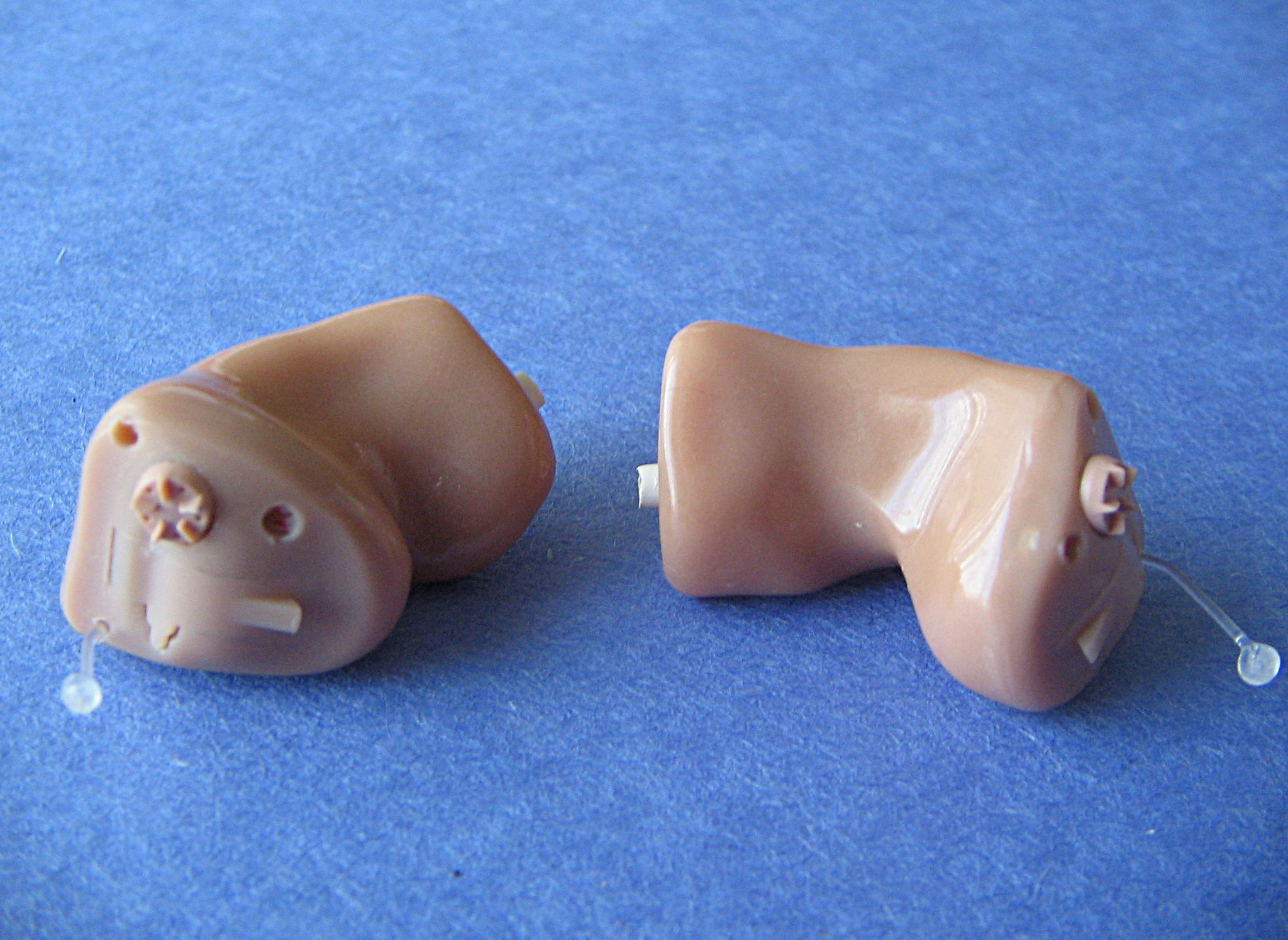
The best OTC hearing aids for seniors balance clear speech, a manageable fit, dependable support, and a return period long enough to judge them in real life. Our best overall pick is the **Jabra Enhance Select 700** for its strong speech-in-noise performance, remote audiology support, modern connectivity, and 100-day trial. The **ELEHEAR Beyond Pro** is our value pick under $700, while **Apple AirPods Pro 3** offer a lower-cost entry point for an iPhone user who needs situational rather than all-day help.
This is a researched comparison of current specifications, policies, and independent testing—not a hands-on lab test by Family Care Pilot. Prices and promotions were checked on August 13, 2026, but can change. More unusually, the market itself is changing: Lexie and Eargo's parent company has begun winding down U.S. operations, so we do not recommend buying either brand new while future app, warranty, parts, and support arrangements remain uncertain.
The Best OTC Hearing Aids at a Glance
| Pick | Best for | Listed pair price | Key tradeoff | | --- | --- | ---: | --- | | Jabra Enhance Select 700 | Best overall | $1,995 | Expensive for an OTC product | | ELEHEAR Beyond Pro | Best value | $599 | One-year warranty; app-centered controls | | Sennheiser All-Day Clear | Best Bluetooth streaming | $999.95 | Behind-ear hardware is more visible | | Sony CRE-C20 | Best discreet rechargeable fit | $999.99 | In-canal style demands good dexterity and cleaning | | Lucid Hearing Engage Rechargeable | Best access to in-person retail help | $849.99 | Shorter stated battery life than some rivals | | Apple AirPods Pro 3 | Best low-cost situational option | $249 | About 10 hours in hearing-aid mode; looks and fits like earbuds |
Prices above are manufacturer list prices for a pair where applicable, not guaranteed checkout prices. Compare the trial, warranty, care package, and replacement policy—not only the sale banner.
Before Buying: Who OTC Hearing Aids Are For
OTC hearing aids in the United States are regulated medical devices for adults age 18 or older with perceived mild to moderate hearing loss. Typical signs include trouble understanding speech in groups or noisy places, phone difficulty, listening fatigue, and a TV volume others find too loud. They are not intended for children or for severe or profound hearing loss. The FDA's OTC hearing-aid guidance explains the category and required package warnings.
See a clinician—preferably an ear, nose, and throat doctor—before self-treating if hearing changed suddenly, fluctuates, is markedly worse in one ear, or comes with ear pain, drainage, substantial wax, vertigo, an unusual ear shape, or one-sided ringing. Also seek professional help if speech remains hard to hear in a quiet room or loud sounds are difficult to detect. Some causes need medical treatment, and an OTC device's output may be inadequate for more advanced loss.
Even without a red flag, a baseline hearing test from an audiologist can be worthwhile. It clarifies whether both ears have similar loss, provides a record for future comparison, and may prevent spending weeks adjusting a product that was never appropriate.
1. Jabra Enhance Select 700: Best Overall
The Jabra Enhance Select 700 is our leading option for someone who wants prescription-style remote support without repeated clinic visits. It is a compact receiver-in-ear design with rechargeable batteries, hands-free calling for compatible iOS and Android phones, Bluetooth LE Audio, and Auracast support. The latter is designed for compatible broadcast audio in public venues and from future home transmitters.
Speech in noise is the reason it leads this list. Jabra describes its Auto Focus and advanced acoustics as the strongest performance in its OTC line, while the National Council on Aging's July 2026 testing gave the Select 700 its highest overall score, citing sound, connectivity, battery, and remote adjustment support. See the NCOA's current OTC comparison and Jabra's Select 700 feature and price comparison.
Jabra's 100-day risk-free trial is much longer than the 30- or 45-day windows common elsewhere. That matters because new users often need weeks to acclimate to their own voice, dishes, paper, footsteps, and background sound. Remote care from the audiology team can help tune the devices instead of leaving a frustrated family to guess at app sliders.
The $1,995 price is the main drawback. At that level, compare a local prescription package too—especially if it includes diagnostic testing, real-ear measurement, custom earmolds, several follow-ups, repair coverage, or loaner devices. OTC should not automatically win merely because it can be ordered online.
**Best for:** A confident smartphone user with mild to moderate loss who struggles in restaurants and groups and values professional remote adjustments.
**Skip it if:** Hand or vision limitations make receiver wires and small domes difficult, or a nearby audiology clinic offers a more complete prescription package for a similar net price.
2. ELEHEAR Beyond Pro: Best Value
The ELEHEAR Beyond Pro brings a strong feature set to the middle of the market. The receiver-in-canal pair includes an in-app hearing test, environmental adjustments, Bluetooth streaming and calls, noise and feedback control, remote professional support, a music mode, and tinnitus sound options. Its rechargeable batteries are rated for up to 20 hours, while the case adds four full charges.
At $599 per pair, it undercuts the premium picks substantially without dropping app personalization or streaming. NCOA named it the best option for tinnitus in its 2026 comparison, and the manufacturer offers a 45-day trial, one-year warranty, and remote audiologist adjustments. The current Beyond Pro product page publishes its price, 20-hour battery estimate, support terms, and detailed specifications.
Do not interpret “FDA-registered” alone as proof that one product is clinically superior to another. Registration and compliance are not the same as an FDA endorsement, and marketing claims such as AI percentages need context. The practical strengths here are the price, independent test results, useful controls, and return window.
The app is central to getting full value, so check phone compatibility before purchase and have the intended wearer—not only an adult child—try the screens. A one-year warranty is also modest for a device worn daily around sweat, hair products, and earwax.
**Best for:** Budget-conscious adults who want rechargeable, streamable hearing aids with meaningful personalization and remote help.
**Skip it if:** Tinnitus is new or one-sided, which calls for clinical evaluation, or the user cannot manage app-based setup and maintenance.
3. Sennheiser All-Day Clear: Best for Bluetooth Streaming
Sennheiser All-Day Clear is a self-fitting receiver-in-canal pair made by Sonova Consumer Hearing. It streams calls, music, podcasts, and other media from compatible iOS and Android devices, and its physical controls can handle common changes after setup. The app creates a sound profile, adjusts low, middle, and high frequencies, controls each ear separately, and offers an automatic environment mode.
The stated battery life is up to 24 hours depending on use, giving it more room for streaming than many OTC devices. The $999.95 kit includes both hearing aids, charging case, cable and wall plug, three eartip sizes, wax guards, cleaning brush, and a one-year warranty. Sennheiser also sells an optional in-clinic package through participating professionals. Sennheiser lists the current All-Day Clear specifications, price, contents, and care option.
This is the most natural match for someone who moves among a phone, tablet, and other Bluetooth sources and considers streaming part of daily use. The behind-ear body also avoids packing every component deeply into the canal, although glasses, masks, oxygen tubing, and fine or long hair can compete for space.
The app is required for initial self-fitting and full customization. Confirm phone compatibility and let the wearer complete a trial setup before discarding packaging. Also compare the retailer's actual return window: a manufacturer warranty covers defects, not dissatisfaction with fit or sound.
**Best for:** Frequent phone callers and media listeners who want broad Bluetooth compatibility and long stated runtime.
**Skip it if:** The user dislikes anything behind the ear, cannot perform smartphone setup, or wants an extended included professional-care plan.
4. Sony CRE-C20: Best Discreet Rechargeable Fit
Sony's CRE-C20 sits fully in the ear canal and avoids a receiver wire or body behind the ear. That makes it appealing to people who wear glasses, use masks, or simply prioritize discretion. It is self-fitting through the Sony Hearing Control app, with profiles derived from hearing patterns and automatic noise reduction intended to keep speech clear while preserving environmental awareness.
The pair is rated for up to 26 hours of continuous use and supports Qi wireless charging. An IP68 rating provides strong dust and moisture resistance, though no hearing aid should be exposed casually to water simply because it has an ingress rating. Sony lists four sleeve sizes, a 45-day direct-purchase return policy, and free one-to-one virtual product consultations. The Sony CRE-C20 page lists the current $999.99 price and core features.
Small in-canal products are not automatically easier for seniors. Insertion, removal, sleeve changes, charging contacts, and wax management can be challenging with tremor, arthritis, neuropathy, reduced fingertip sensation, or low vision. A poor seal can cause feedback or thin sound; too tight a fit can become sore. Use the trial period to evaluate independence, not only appearance.
Unlike an earbud-style product, the C20 is built primarily around hearing rather than entertainment. Buyers who prioritize hands-free calls or universal audio streaming should verify the exact function they expect rather than assuming every Bluetooth-enabled hearing device behaves like headphones.
**Best for:** Someone with adequate dexterity who wants a discreet rechargeable device and does not want hardware behind the ear.
**Skip it if:** The wearer has narrow or sensitive canals, heavy wax, difficulty handling tiny items, or needs robust media streaming.
5. Lucid Hearing Engage Rechargeable: Best for Retail Access
Lucid Hearing's Engage Rechargeable combines receiver-in-canal hardware, app-controlled sound profiles, iPhone and Android streaming, and support from licensed specialists and audiologists. Its stated runtime is up to 16 hours. The $849.99 price sits between ELEHEAR and the premium Sony or Sennheiser pairs. Lucid publishes the Engage Rechargeable price and feature list.
Its distinctive advantage is not a single specification. Lucid operates hearing centers and has a broad retail presence, which can make human help more accessible than it is with an online-only seller. Availability and the exact services offered vary by location, so call first and ask whether staff can assist with fit, app setup, cleaning, and returns for the exact OTC model.
Sixteen hours may cover a normal waking day, but streaming, battery age, and charging habits can reduce usable time. A caregiver should confirm that the wearer can seat both devices correctly in the charger and recognize the charge indicators. Ask whether the charging case stores power or must remain connected; those are different travel experiences.
**Best for:** A family that values the possibility of nearby retail guidance and wants mainstream smartphone streaming.
**Skip it if:** The person regularly has very long days away from power or local support is the main reason to buy but no nearby center services the device.
6. Apple AirPods Pro 3: Best Low-Cost Situational Option
Compatible AirPods Pro 3 can run Apple's regulated Hearing Aid feature after an iPhone- or iPad-based hearing test. The FDA authorized Apple's software approach for adults with perceived mild to moderate hearing loss, making this more than generic “conversation amplification.” Apple lists the earbuds at $249 and estimates up to 10 hours per charge in Transparency mode with the Hearing Aid feature. See the FDA's authorization announcement and Apple's current AirPods Pro specifications.
For an existing iPhone user with mild difficulty at family dinners, appointments, lectures, or TV time, that combination is an unusually accessible way to try hearing support. The device also performs familiar headphone tasks, and five tip sizes improve the chance of a stable seal.
AirPods are not our best all-day choice. Ten hours is less than a full day for many people, the visible earbud form may feel socially awkward in conversation, and removing them to recharge interrupts hearing. Small glossy earbuds are easy to drop, and the hearing features require compatible Apple hardware, current software, supported regions, and an Apple account workflow. The hearing aid feature may work on AirPods Pro 2 as well, but confirm Apple's current model and regional compatibility rather than relying on a marketplace listing.
**Best for:** An iPhone user seeking occasional help or an affordable first experience with regulated self-fitting amplification.
**Skip it if:** The wearer needs dawn-to-bedtime support, uses Android, struggles to keep earbuds charged, or wants remote audiology care.
Why Lexie and Eargo Are Not Recommended Now
Both brands have produced capable and popular self-fitting devices, and older comparisons may still rank them highly. However, LXE Hearing—the parent company associated with Lexie and Eargo—announced a wind-down of U.S. operations. Its notices say core amplification and apps continue for now but future app availability, updates, support, warranties, and parts are still being worked out and cannot be guaranteed.
That uncertainty is too significant for a new medical-device purchase. Hearing aids need consumables, repairs, compatible apps, and help beyond the first week. Existing owners should save manuals, keep account details current, download any needed app while available, order compatible maintenance supplies prudently, and follow official updates. New buyers should not assume a deep clearance price compensates for unclear long-term service. Lexie's current wind-down notice explains the situation directly; Eargo displays a corresponding notice on its U.S. site.
How to Compare OTC Hearing Aids for a Senior
Choose self-fitting over simple presets when needs differ by ear
All OTC hearing aids let the user control settings somehow, but not all conduct an in-app hearing assessment and personalize each ear. A self-fitting device is generally more promising when hearing differs across pitches or between ears. Simple preset products can be easier, yet their broad programs may not match the actual loss.
Treat the return period as part of the product
The first days can sound sharp, busy, or unnatural because the brain is receiving sounds it has not processed fully in some time. Evaluate over several weeks across quiet conversation, television, car rides, stores, restaurants, phone calls, and outdoor sound. Keep a brief log of benefit, comfort, battery, feedback, and app problems.
Read the policy before opening the box. Check the deadline, return authorization process, restocking or shipping charges, condition requirements, and whether a third-party seller substitutes its own terms. Put the final eligible mailing date on the family calendar.
Assess hands, eyes, memory, and phone skills
A product can sound excellent yet fail because domes are too small to handle, left and right devices get mixed up, or Bluetooth repeatedly disconnects. Ask the wearer to insert, remove, clean, and charge the aids without coaching. Watch rather than assuming. Behind-ear models are easier to retrieve but have more pieces; in-canal models have fewer visible parts but can be difficult to grip.
For cognitive impairment, consider whether daily use can be built into an existing routine and who will notice a charging or maintenance failure. Hearing aids can improve communication, but a complicated new device should not become another source of conflict.
Calculate two-year ownership cost
Include tips or domes, wax guards, cleaning tools, drying equipment, loss replacement, extended care, phone upgrades, and shipping. Rechargeable models avoid tiny disposable batteries, but their sealed cells lose capacity eventually. Ask what happens after the warranty and whether a single lost left or right aid can be replaced and paired.
Compare OTC with a real local quote
Professional care is valuable when loss is asymmetric, more than moderate, medically complicated, or difficult to fit. Ask an audiologist for an itemized quote and whether lower technology levels, unbundled care, financing, refurbished devices, or insurance benefits are available. If purchasing prescription aids, ask whether verification with real-ear measurement is included.
A Four-Week Home Trial Plan
**Week 1: Fit and quiet speech.** Learn insertion, removal, charging, cleaning, and basic volume controls. Wear the devices for increasing periods in calm settings. Resolve soreness and feedback early rather than forcing adaptation through pain.
**Week 2: Everyday environments.** Try a grocery store, family meal, television, car, and phone call. Change only one major setting at a time. Record specific outcomes such as “understood daughter across the kitchen,” not simply “better.”
**Week 3: The hardest routine.** Test the main reason for purchase, perhaps a weekly restaurant, worship service, card group, or medical appointment. Use remote support if included. Confirm that battery life survives the user's actual day.
**Week 4: Decide before the deadline.** Compare benefit with the effort of handling and maintaining the aids. If conversation is still poor in quiet, one ear is much worse, or settings must be pushed to their limit, arrange a professional evaluation rather than letting the return date pass.
Frequently Asked Questions
Are OTC hearing aids the same as amplifiers?
No. OTC hearing aids are FDA-regulated medical devices intended to compensate for hearing loss. Personal sound amplification products, or PSAPs, amplify environmental sound for people with normal hearing and are not substitutes for hearing aids. Look for the required OTC hearing-aid labeling on the package.
Is a hearing test required?
No test or prescription is legally required for an eligible adult to buy OTC hearing aids. An audiologic evaluation can still reveal the degree and pattern of loss, identify asymmetry, and give the family a baseline. App hearing checks are setup tools, not full medical evaluations.
Should a senior wear one hearing aid or two?
When hearing loss affects both ears, two devices usually provide a more balanced signal and better access to sound from both sides. Do not buy one solely to save money without understanding the hearing pattern. An audiologist can advise when one-sided fitting is appropriate.
Can Medicare or an HSA pay for OTC hearing aids?
Original Medicare generally does not cover routine hearing aids, though Medicare Advantage and other plans vary. Hearing aids may be eligible medical expenses for HSA or FSA funds, but confirm the plan's documentation rules. Veterans and state vocational-rehabilitation or assistive-technology programs may offer other routes.
What if the hearing aids whistle?
Feedback often points to a poor seal, incorrect insertion, blocked wax guard, earwax in the canal, or excessive gain. Refit the appropriate dome and follow cleaning instructions. Persistent feedback, pain, drainage, or sudden hearing change warrants professional care rather than continued app adjustment.
Bottom Line
The **Jabra Enhance Select 700** is the best overall OTC hearing aid for a senior who can manage a smartphone and wants strong speech-in-noise performance plus remote professional support. The **ELEHEAR Beyond Pro** offers the most compelling feature-to-price balance, and **Sennheiser All-Day Clear** is attractive for heavy Bluetooth use. Choose **Sony CRE-C20** for a discreet rechargeable in-canal design, **Lucid Engage Rechargeable** when access to retail help matters, or **AirPods Pro 3** for low-cost situational support in the Apple ecosystem.
Whichever model makes the shortlist, screen for medical red flags, verify the seller's return terms, and judge success by clearer daily conversation—not the length of the feature list.