
guide
Why Falls Happen at Home
Why Falls Happen at Home should explain the issue clearly, reduce uncertainty, and point readers toward practical next steps.
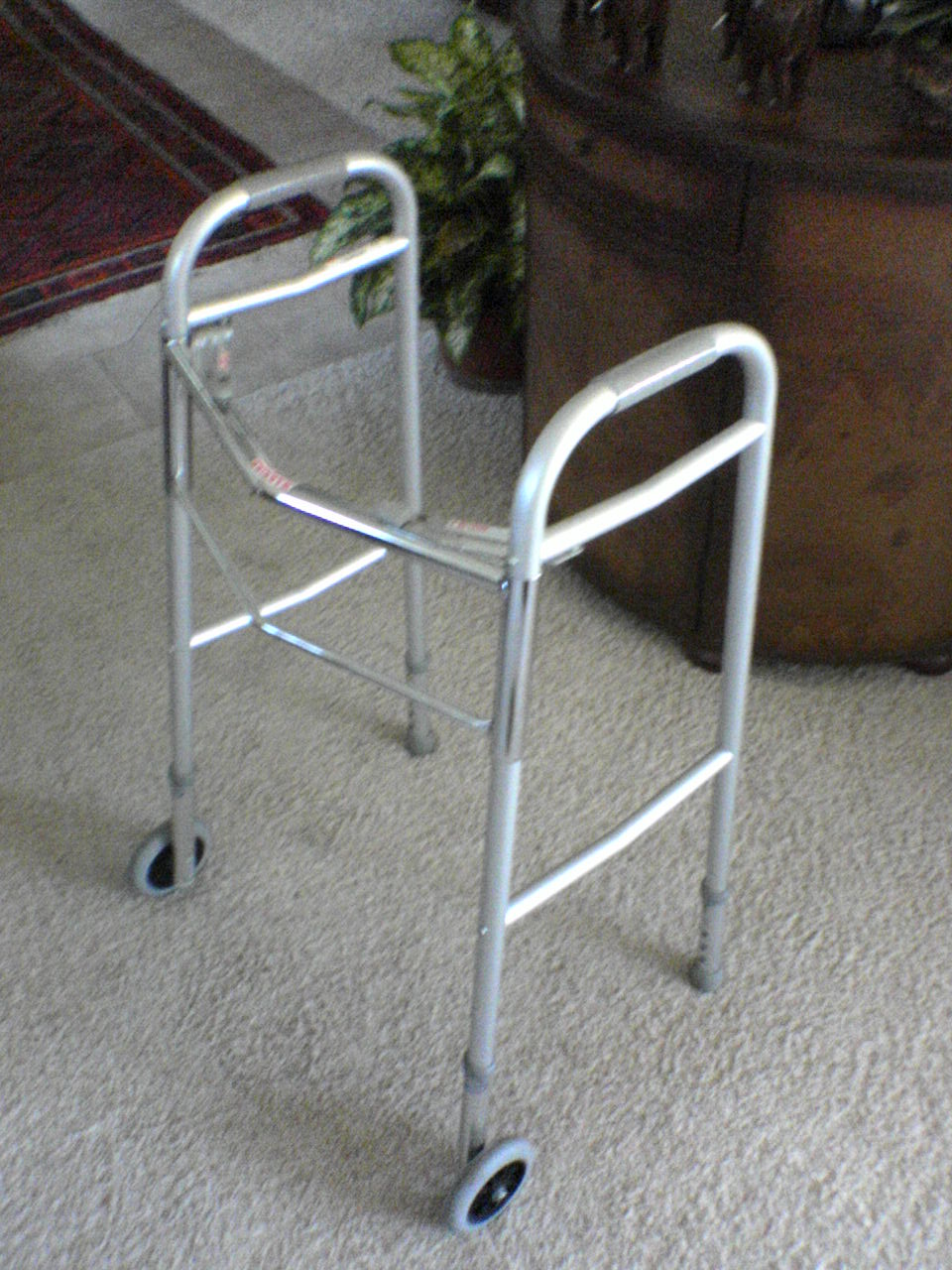
A fall at home rarely has one neat cause. It usually happens when several small problems line up at the same moment: an older adult stands before their balance settles, the hallway is dim, their feet are numb, and the bathroom trip feels urgent. The rug may be where the fall ends, but it is not necessarily where the problem began.
Understanding that chain matters. Removing hazards is useful, but a tidy home cannot correct dizziness, weak legs, poor vision, or a medication side effect. Likewise, a medical checkup will not fix a slippery shower or a walker left across the room. Good prevention looks at the person, the task, and the surroundings together.
Falls Usually Have Several Contributors
Balance depends on the brain combining information from the eyes, inner ears, muscles, joints, and sensation in the feet. The body must then produce enough strength and coordination to recover from a misstep. Aging does not make a fall inevitable, but changes in any of these systems can leave less room for error.
A person may walk safely on a bright, level floor and struggle when they are tired, turning quickly, carrying laundry, or stepping into a dark bathroom. That is why a short clinic walk may look normal even when family members keep seeing near-falls at home.
Instead of asking, “What caused the fall?” ask, “What factors came together?” The answer often includes several of the following categories.
Changes in Strength, Walking, and Balance
Weakness in the legs and hips can make it harder to rise from a low chair, control a step down, or recover after catching a toe. A person may start pushing off furniture, taking shorter steps, shuffling, or avoiding stairs. Pain from arthritis or an old injury can also change how weight is distributed and make one side less reliable.
Some warning signs appear before a fall: difficulty standing without using the arms, slowing down noticeably, holding walls, needing several attempts to get out of bed, or becoming unsteady while turning. Reduced activity after an illness or hospital stay can make these changes appear quickly. Fear of falling may then cause the person to move even less, creating a cycle of lower strength and confidence.
A physical therapist can assess gait, strength, balance, transfers, and the need for a cane or walker. An assistive device should be fitted and practiced with; the wrong height or technique can add risk instead of reducing it.
Dizziness, Blood Pressure, and Illness
Feeling lightheaded after standing can happen when blood pressure drops. Dehydration, blood pressure medicines, prolonged bed rest, and some health conditions may contribute. The person may describe dim vision, weakness, or a “floating” feeling, or may simply sit back down abruptly.
Other falls happen during an acute illness. Infection, fever, low blood sugar, anemia, abnormal heart rhythm, or a neurologic problem can affect alertness and stability. A sudden change is especially important: new unsteadiness is not something to explain away as ordinary aging.
Ask what the person felt immediately before the fall. Dizziness, fainting, chest discomfort, a racing or irregular heartbeat, sudden weakness, or no memory of falling points toward a medical assessment rather than a home modification alone.
Medicines and Alcohol Can Change the Margin for Error
Medicines that cause sleepiness, dizziness, confusion, blurred vision, or lower blood pressure can contribute to falls. The combined effect matters, including prescriptions, over-the-counter sleep aids, allergy medicines, and supplements. Risk can change after a new medicine, a dose increase, or a shift in when doses are taken.
Do not stop a prescription abruptly based on a fall. Instead, bring a complete medication list—including nonprescription products—to a clinician or pharmacist and ask specifically about fall-related effects and interactions. Alcohol can intensify sedation or impair judgment, so include actual drinking habits in that conversation.
Vision, Hearing, and Sensation Affect Foot Placement
Vision helps a person judge contrast, depth, edges, and obstacles. Glare, outdated glasses, cataracts, or difficulty adapting from a bright room to a dark hall can make a step or rug edge hard to see. Bifocal or progressive lenses may also make the floor appear different when the wearer looks down through the reading portion.
Reduced sensation in the feet, sometimes related to diabetes or other nerve problems, makes it harder to feel where the foot lands. Poorly fitting shoes, socks on smooth floors, and long toenails can further change walking. Hearing loss does not directly explain every fall, but missing a warning or turning suddenly toward a sound can matter in a busy space.
Routine eye and foot care can be part of fall prevention. A clinician should evaluate new numbness, new vision changes, or a meaningful change in walking.
The Home Creates Predictable High-Risk Moments
Home is familiar, but familiarity can hide hazards. People move on autopilot, often while carrying something or thinking about the next task. Common trouble spots include:
- the route from bed to bathroom, especially at night;
- thresholds, single steps, and changes between flooring types;
- loose rugs, cords, pet toys, and clutter in walking paths;
- wet bathroom floors and tubs without stable handholds;
- stairs with poor lighting, uneven steps, or only one usable rail;
- low, soft chairs that demand extra effort to leave;
- frequently used objects stored high enough to require reaching or climbing;
- outdoor entries made slick by rain, leaves, or uneven pavement.
Footwear and equipment are part of the environment too. Backless slippers may slide. A walker that cannot fit through the bathroom door may be abandoned exactly where support is most needed. Furniture used as a handhold can move unexpectedly.
Rushing and Divided Attention Are Often the Final Link
Many people can manage a task slowly but lose stability when they hurry. Urgent toileting, a ringing phone, a pet at the door, or trying not to keep someone waiting can turn a manageable route into a fall. Carrying a plate or laundry basket removes the ability to use a rail or mobility aid.
Doing two things at once also changes walking. Talking while turning, looking for an item, or navigating around another person requires attention. Cognitive changes may make sequencing harder: the person may forget to lock a rollator, leave the walker behind, or stand before moving the footrests on a wheelchair.
These are not character flaws. They show where the routine needs redesign. A bedside commode, a phone kept within reach, a clear place for the walker, or help at a predictable time may work better than repeated reminders to be careful.
Reconstruct a Fall Without Blame
After immediate injuries have been addressed, write down what happened while details are fresh. If possible, ask the older adult and anyone who witnessed it separately. Useful questions include:
- Where did the fall begin, and where did the person land?
- What were they doing—standing, turning, reaching, carrying, or using stairs?
- What time was it, and what was the lighting like?
- What shoes, glasses, and mobility aid were being used?
- Did they feel dizzy, faint, weak, numb, short of breath, or confused?
- Was there urgency, fatigue, pain, alcohol use, or a recent medication change?
- Could they get up, and how long were they on the floor?
Look at the whole route, not just the landing spot. A person found beside a rug may have become dizzy when rising from bed several steps earlier. Record near-falls as well; catching the counter or dropping into a chair provides valuable information without an injury having to occur first.
Choose Fixes That Match the Pattern
Start with the most likely repeat event. For nighttime bathroom falls, improve the entire route: place a light within reach of the bed, use motion-activated lighting, clear the path, ensure the mobility aid is accessible, and discuss urinary urgency or nighttime dizziness with the healthcare team. For shower falls, address stable handholds, a nonslip surface, water temperature, transfers, and whether a shower chair or supervision is appropriate.
For problems during standing, review chair height and stability, allow time to sit at the edge of the bed before rising, and have the person pause after standing before walking. Do not install improvised grab bars or rely on towel rails; supports must be designed and mounted to bear weight.
Broader prevention may include strength and balance exercise suited to the person's health, medication review, vision care, supportive footwear, and an occupational or physical therapy home assessment. Make a few high-value changes, then check whether they are actually used. A technically good solution fails if it is uncomfortable, confusing, or placed outside the real routine.
When a Fall Needs Medical Attention
Seek emergency help for severe pain, obvious deformity, inability to bear weight, heavy bleeding, loss of consciousness, chest pain, trouble breathing, sudden one-sided weakness, new speech difficulty, or marked confusion. Head impact deserves particular caution, especially when the person takes a blood thinner. Do not force someone up if a serious injury may have occurred.
Contact the healthcare team promptly when a fall is unexplained, follows dizziness or fainting, happens repeatedly, or comes with a new change in walking, alertness, continence, or ability to manage daily tasks. Delayed pain and head-injury symptoms can occur, so continue observing after the event and follow the clinician's instructions.
Even without an emergency, a fall is worth mentioning at the next medical visit. Bring the event notes and medication list. Specific details help a clinician decide whether to check blood pressure in different positions, vision, heart rhythm, strength, neurologic function, feet, or other possible contributors.
A Practical One-Week Review
For seven days, note when the person seems least steady and what is happening at the time. Include near-falls, furniture walking, difficult transfers, and times a cane or walker is left behind. Check morning, evening, and nighttime routines rather than relying on one daytime walkthrough.
At the end of the week, sort findings into three groups:
1. **Change now:** remove a loose mat, add light, clear a path, move a commonly used object, or replace unsafe footwear. 2. **Ask a professional:** review dizziness, medications, pain, vision, numb feet, weakness, continence, or the fit of a mobility aid. 3. **Monitor:** record when and where a less urgent problem recurs and set a date to reassess it.
The aim is not to make the home risk-free. It is to identify the chain most likely to cause the next fall and break that chain in more than one place. When caregivers combine a careful account of the person's symptoms and habits with targeted home changes, they replace vague worry with a plan that protects both mobility and independence.