
guide
When a Fall Means More Help is Needed
When a Fall Means More Help is Needed should explain the issue clearly, reduce uncertainty, and point readers toward practical next steps.
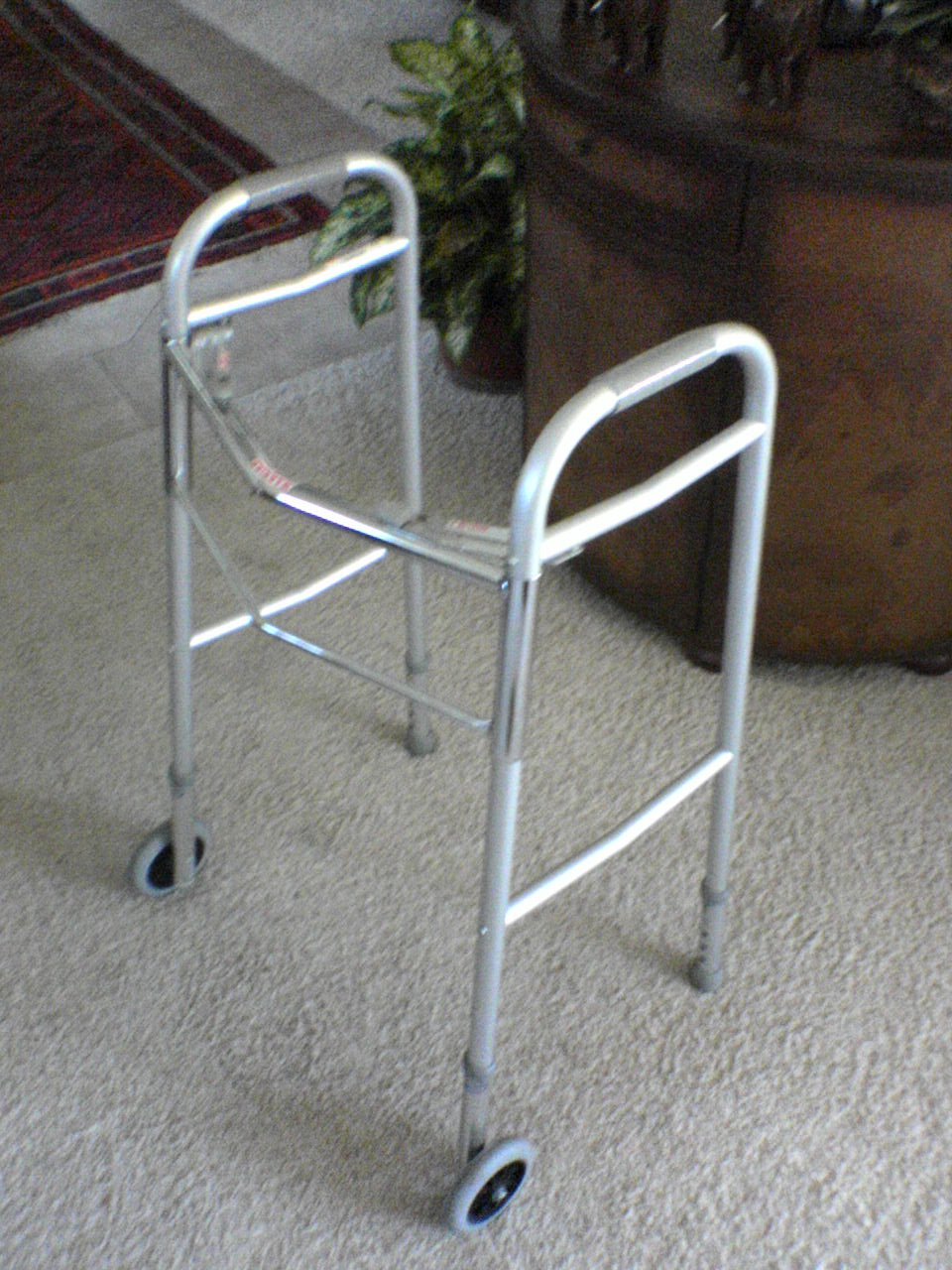
A fall can be a one-time accident, but it can also be the first visible sign that an older adult needs more support. The hard part for families is knowing which situation they are looking at. A stumble over a loose rug is different from repeated falls, a fall with confusion, or a fall that leaves someone afraid to walk to the bathroom alone.
This guide is for adult children, spouses, family caregivers, and older adults who need a calm way to decide what comes next after a fall. The goal is not to take over every routine. The goal is to understand why the fall happened, reduce the chance of another one, and know when home changes are no longer enough by themselves.
Why This Topic Matters
A fall changes more than the moment it happens. It can affect confidence, sleep, toileting, bathing, medication routines, and willingness to leave the house. Some older adults become more cautious in a helpful way. Others start moving less, which can weaken legs, worsen balance, and make the next fall more likely.
Families often focus on the visible injury: the bruise, sore hip, or wrist pain. Those details matter, but the bigger safety question is why the fall happened and whether the same conditions are still present. Poor lighting, rushing to the bathroom, dizziness on standing, loose footwear, medication side effects, clutter, pain, weakness, and vision changes can all turn an ordinary routine into a risky one.
It is fine if the first plan is modest. A clear next step, such as calling the primary care team, removing a tripping hazard, adding nighttime lighting, or arranging short-term help with bathing, is better than a long debate that leaves the same risk in place.
Core Guidance
Start by reconstructing the fall without blame. Ask where it happened, what the person was trying to do, what time of day it was, whether they felt dizzy or weak, whether they hit their head, and how they got up. If the person does not remember the fall, or the story keeps changing, treat that as important information rather than an inconvenience.
Then separate the causes you can address immediately from the concerns that need professional review. A loose rug can be removed today. A dark hallway can get a motion light. But fainting, new confusion, sudden weakness, medication changes, pain after a fall, or repeated falls should be discussed with a clinician.
Look at the routines closest to the fall. Many falls happen during transfers, bathroom trips, night walking, stairs, showering, getting out of bed, reaching for items, or moving too quickly to answer the phone or door. The best support is usually specific to that routine, not a vague instruction to "be careful."
Finally, match help to the level of risk. One fall with a clear environmental cause may call for home changes and follow-up. A fall with injury, inability to get up, repeated near misses, or fear that stops normal activity may call for therapy, medical review, assistive devices, in-home help, or a broader care plan.
Practical Steps
- Ask whether the person hit their head, lost consciousness, felt chest pain, had sudden weakness, or seems newly confused. Seek urgent medical help if any of those are present.
- Write down the fall details while they are fresh: location, time, activity, footwear, lighting, symptoms, injuries, and how long it took to get help.
- Walk the route where the fall happened and remove obvious hazards such as loose rugs, cords, clutter, unstable furniture, slippery mats, and poor lighting.
- Review bathroom, bedroom, stairs, entryways, and the path to the kitchen, because these areas often reveal repeat risks.
- Ask the primary care team whether medication review, vision check, physical therapy, occupational therapy, or balance assessment is appropriate.
- Consider temporary help with bathing, toileting, stairs, errands, or overnight routines while the cause is being addressed.
- Make sure the person has a reliable way to call for help from the floor, bathroom, bedroom, and outdoor areas.
- Revisit the plan after one to two weeks and again after any illness, medication change, new pain, or additional near miss.
Common Mistakes and Tradeoffs
A common mistake is buying equipment before understanding the fall. A walker, cane, shower chair, grab bar, or bed rail can help, but the wrong tool can create new problems. A cane that is too tall, a walker used only in the hallway, or a grab bar installed where the person never reaches may not reduce risk.
Another mistake is treating the fall as a simple independence-versus-help decision. More support does not always mean less independence. Short-term physical therapy, a safer shower setup, better lighting, or help during the riskiest hour of the day may preserve independence by making daily movement less frightening.
Families can also minimize a fall because the person "seems fine now." Pain, head injury symptoms, fear, dizziness, and mobility changes can show up later. If the older adult is moving differently, avoiding normal routines, or needing more help to stand, bathe, dress, cook, or get to the bathroom, the fall has changed the care picture even if no bone was broken.
There are real tradeoffs. Paid help may feel intrusive or expensive. Assistive devices may feel embarrassing. Home changes may be disruptive. Still, repeated falls, caregiver strain, and fear-based inactivity also carry costs. The best plan is the least intrusive support that meaningfully lowers the next likely risk.
When More Help May Be Needed
More help is usually needed when falls are repeated, unexplained, or tied to a change in health. Pay close attention if the person has fallen more than once in a few months, cannot describe what happened, has new dizziness, is afraid to walk, has trouble getting up from a chair, or needs furniture and walls to move through the home.
Seek prompt medical guidance after a fall with head impact, loss of consciousness, severe pain, new confusion, weakness on one side, chest pain, trouble breathing, fainting, fever, or inability to bear weight. Also call if the person takes blood thinners, because head injuries can be more serious even when the person initially seems alert.
For non-emergency concerns, ask about a fall-risk review. A clinician can look for blood pressure drops, medication side effects, dehydration, infection, pain, vision issues, neuropathy, and other contributors. Physical and occupational therapists can assess gait, transfers, strength, balance, stairs, bathroom safety, and whether an assistive device is appropriate.
Outside help can be temporary. A few weeks of extra support after an illness or injury may prevent a crisis while the family learns what the new baseline looks like. If the need keeps growing, that is useful information for planning longer-term care.
Common Questions
What is the best first step after a fall?
First, check for urgent symptoms and injuries. Then write down what happened and remove the most obvious hazard before the same routine happens again. If the fall was unexplained, involved injury, or changed how the person moves, contact the primary care team.
How fast do we need to act?
Act the same day on urgent symptoms, head impact, severe pain, inability to walk, or confusion. For non-emergency falls, make at least one safety change within 24 to 48 hours and schedule follow-up if the cause is unclear or the person is more fearful or unsteady than before.
Should we buy a walker or cane right away?
Do not guess if the person has new balance or walking problems. A cane or walker should fit the person's height, strength, coordination, and home layout. Ask a clinician or therapist for guidance, especially if the person has never used mobility equipment before.
When should we involve outside help?
Involve outside help when the fall caused injury, the cause is unclear, falls are repeating, the person is avoiding normal activity, or caregivers are providing constant supervision to prevent another incident. Support is also appropriate when bathing, toileting, stairs, or nighttime walking no longer feel safe.
How to Prioritize Changes
Sort changes into three groups. First are immediate safety fixes: lighting, clutter, loose rugs, slippery bathroom surfaces, reachable phones, and the path used during the fall. Second are health reviews: medications, blood pressure, vision, pain, strength, balance, and recent illness. Third are longer-term supports: therapy, home modifications, personal emergency response systems, transportation help, or paid caregiving.
This order keeps the family from turning one fall into a chaotic home overhaul. Handle the repeat risk first, arrange the medical or therapy review that fits the situation, and set a date to reassess. If another fall happens before that review, escalate the plan.
How to Talk About the Change
Many older adults resist fall-related changes because they fear losing control. Lead with what the support protects: "I want you to feel safe getting to the bathroom at night," or "Let's make the shower easier so you do not have to rush." Specific goals usually land better than broad warnings about safety.
Avoid turning the conversation into a courtroom replay. You still need facts, but the tone matters. Ask, "What do you remember happening?" and "Which part felt hardest afterward?" Those questions invite problem-solving instead of shame.
A Simple Review Routine
After the first changes are in place, review four things: whether the person has fallen or nearly fallen again, whether they are moving less than before, whether the risky routine feels easier, and whether the support is actually being used. A shower chair stored in another room or a call button left on a dresser is a sign the plan needs adjustment.
Keep notes for appointments. Include dates, symptoms, blood pressure concerns if known, medication changes, footwear, assistive devices, and what the person was doing when the fall or near miss happened. Specific details help professionals recommend targeted changes instead of generic advice.
Questions to Revisit With Family
Ask whether the plan still works at night, after meals, during urgent bathroom trips, when the person is tired, and after appointments or errands. Safe mobility needs to hold up during ordinary stress, not only during a careful daytime walkthrough.
Also decide who will notice if risk is rising. A spouse may see nighttime bathroom trouble. An adult child may notice new fear on stairs. A paid caregiver may see transfer problems. A clinician may pick up medication or blood pressure issues. Clear ownership helps the family respond before the next fall.
How to Keep the Plan Manageable
The best fall plan is simple enough for an ordinary day. Keep pathways clear, make nighttime routes visible, put commonly used items within reach, and make the way to call for help obvious. If a change requires constant reminders, it may be too complicated for the moment.
Document one routine and one backup plan. For example: "Use the walker from bed to bathroom every night. If the walker is not beside the bed, call before getting up." A small written plan prevents safety from depending on memory during tired or painful moments.
What Success Usually Looks Like
A workable plan feels calmer before it feels perfect. The older adult moves through the riskiest routines with more confidence, caregivers know what to watch, and the family has a clear threshold for calling the clinician, adding help, or changing the home setup.
Success also means the plan keeps working after the first week. If the person is safer only when one family member is present, the setup is still too fragile. The goal is steady support that protects mobility, dignity, and the ability to keep doing daily routines with less fear.