
checklist
Kitchen Safety Checklist
Families dealing with Kitchen Safety usually need a clear checklist they can use in one sitting and return to later.
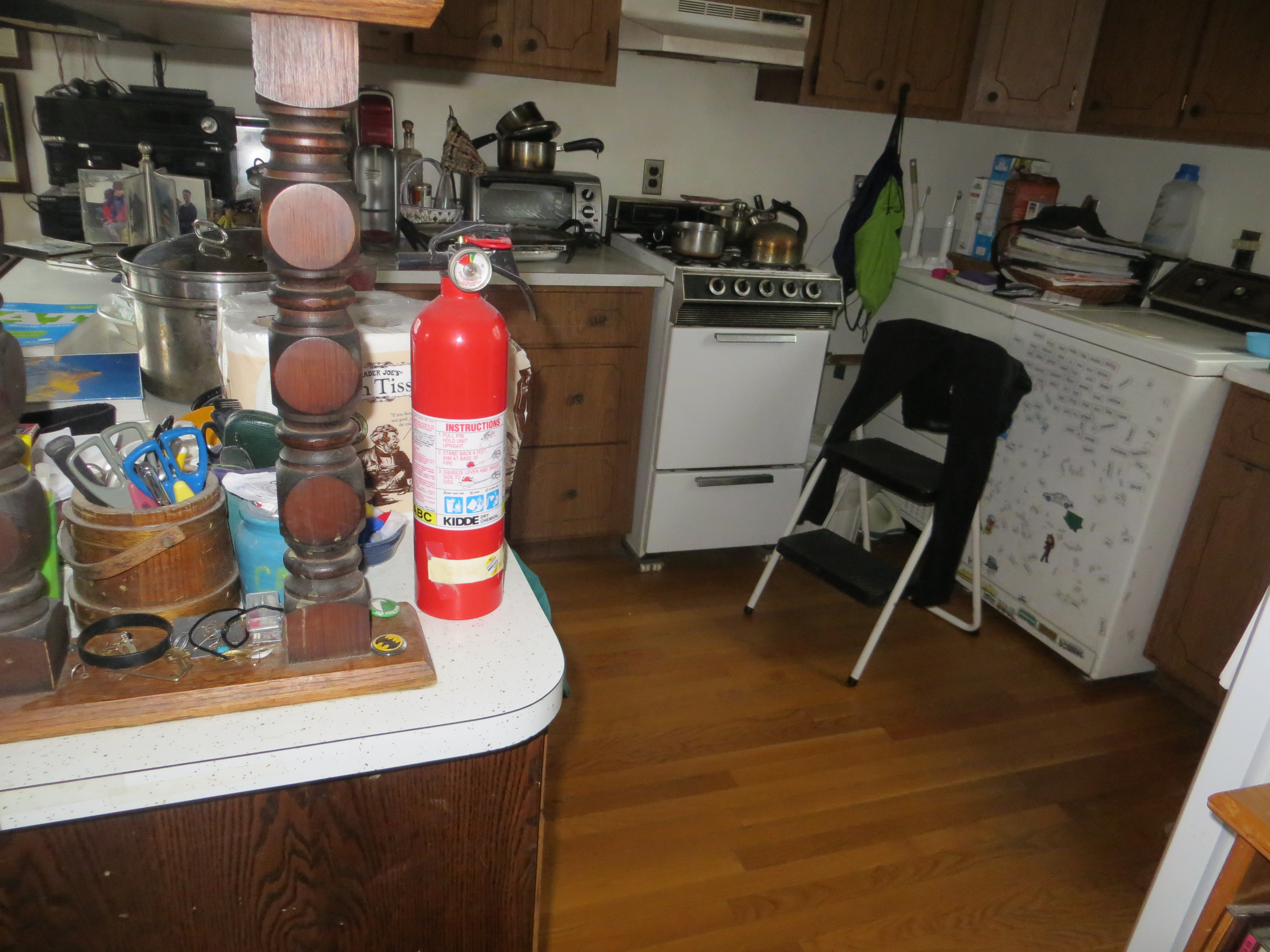
A kitchen safety checklist helps families spot the hazards that often hide inside familiar routines: turning on burners, carrying hot food, reaching into high cabinets, reading labels, and cleaning up spills. In most homes, the safest starting point is to fix the risks most likely to cause a burn, fall, fire, or food-safety problem, then check whether the new setup still feels usable for the older adult.
This guide is written for adult children, family caregivers, and older adults who want the kitchen to stay practical without ignoring real warning signs. Use it in one walkthrough, then return to it after any fall, burn, medication change, vision change, memory change, or illness that affects balance, judgment, or stamina.
Why This Topic Matters
The kitchen combines heat, sharp tools, slippery surfaces, heavy objects, glass, electricity, water, and time-sensitive tasks. That mix can become risky when someone has slower reaction time, neuropathy, arthritis, low vision, dizziness, mild cognitive impairment, or a habit of rushing through familiar steps.
Kitchen safety also affects independence. Many older adults strongly value making coffee, warming lunch, or preparing a familiar recipe. The goal is not to remove every task at the first sign of concern. The better goal is to make ordinary routines easier to repeat safely and to set clear limits for tasks that now need support.
Start with the highest-consequence risks: unattended burners, unsafe appliance use, falls while carrying food, spoiled food, and emergency access. Smaller fixes, such as moving mugs to a lower shelf, can still matter, but fire and injury risks deserve the first pass.
What to Review First
Walk through the kitchen at the same time of day the person normally uses it. Morning coffee, lunch prep, and evening cooking can reveal different hazards. Watch how they enter the room, turn on lights, open the refrigerator, reach for supplies, use appliances, carry dishes, clean up, and leave the space.
Separate one-time fixes from routine changes. Replacing a loose rug, adding brighter bulbs, and moving heavy cookware are one-time fixes. Remembering to turn off a burner, check food dates, or avoid loose sleeves near a flame depends on routine and may need reminders, appliance changes, or supervision.
Ask what has already happened. A scorched pan, smoke alarm, small burn, spoiled food, broken dish, near fall, or forgotten kettle is useful evidence. Treat near misses as planning information, not as proof that everything is still fine.
Finally, choose changes the household can maintain. A safer kitchen that requires constant nagging will not stay safer for long. The best fixes are visible, easy to understand, and matched to the person's actual habits.
A Checklist You Can Use Today
- Confirm that smoke alarms and carbon monoxide alarms work and can be heard from the kitchen, bedroom, and main sitting area.
- Keep a lightweight, easy-to-read fire extinguisher in or near the kitchen, and make sure the older adult and caregivers know when to use it and when to leave and call emergency services.
- Check whether burners are left on, pans are forgotten, or oven controls are hard to read. Consider automatic shutoff devices, induction cooking, knob covers, or a simpler cooking plan if this has happened more than once.
- Clear towels, paper, mail, plastic bags, loose sleeves, and oven mitts away from burners, toaster ovens, and hot appliance vents.
- Move everyday dishes, mugs, cereal, pans, and small appliances between shoulder and knee height so the person does not need a step stool for routine tasks.
- Remove loose rugs or mats that curl, slide, or catch a walker, cane, slipper, or shoe. Use a low-profile nonslip mat only where it truly helps and stays flat.
- Improve lighting over the stove, sink, counters, and path into the kitchen. Replace dim bulbs and add motion or under-cabinet lighting if switches are hard to find.
- Keep frequently used counter space clear enough for setting down hot dishes with two hands.
- Use lightweight cookware, two-handled pots, electric kettles with automatic shutoff, and cups with stable lids when grip strength or tremor is an issue.
- Store knives in a block, sheath, or drawer organizer rather than loose in a drawer.
- Check refrigerator temperature, freezer temperature, expiration dates, leftovers, and labels. When memory or vision is changing, use dated containers and remove questionable food promptly.
- Make sure emergency numbers are visible, phones are reachable, and the person can call for help from the kitchen floor if they fall.
Common Mistakes and Tradeoffs
A common mistake is focusing only on clutter while ignoring heat and timing. A tidy kitchen can still be dangerous if burners are forgotten, oven controls are confusing, or the person carries boiling water across the room while unsteady.
Another mistake is taking over too quickly. If the person can safely make breakfast but not manage stovetop cooking at night, preserve the safer task and change the risky one. Independence often works best in smaller zones: microwave meals instead of frying, pre-cut ingredients instead of chopping, or supervised baking instead of open-flame cooking.
The tradeoffs are real. Removing stove knobs may prevent a fire but can feel humiliating if it is done without explanation. A meal-delivery service may reduce cooking risk but add cost. A locked cabinet may protect someone with dementia from chemicals or alcohol but needs a plan for dignity and access. Talk about the specific risk you are solving so the change does not feel arbitrary.
What to Do If the Checklist Raises Concerns
Some kitchen concerns point beyond home setup. Repeated burned pans, spoiled food, missed meals, unexplained weight loss, falls, new confusion, or trouble following a familiar recipe can signal a medical, cognitive, vision, medication, or mobility change.
If these concerns appear suddenly, or if there is injury, severe confusion, weakness, fainting, chest pain, breathing trouble, or signs of carbon monoxide exposure, seek prompt medical help. For non-emergency patterns, ask the primary care team whether medication review, vision care, occupational therapy, physical therapy, dementia evaluation, or nutrition support makes sense.
It is also reasonable to adjust who cooks. A family can use prepared meals, shared cooking, grocery delivery, batch cooking, meal reminders, or a paid caregiver without framing it as failure. The right level of support is the one that reduces risk while keeping as much choice as possible.
Common Questions
What is the best first step for a kitchen safety checklist?
Start with a real walkthrough. Watch one normal kitchen routine from beginning to end and write down hazards tied to fire, falls, sharp tools, spoiled food, and emergency access. Then fix the top two risks first.
How fast do we need to act?
Act the same day if there has been a fire, smoke incident, fall, burn, gas concern, or repeated appliance confusion. For lower-risk issues, make visible changes this week and set a date to review whether they helped.
Should we buy equipment right away?
Buy equipment when it clearly matches the problem. A stove shutoff device helps with forgotten burners. Better lighting helps with low vision. Lightweight cookware helps with weak grip. Products are less useful when the real issue is fatigue, memory, rushing, or cooking tasks that are now too complex.
When should we involve outside help?
Involve outside help when hazards keep returning after simple fixes, when the person cannot prepare safe meals, or when family members disagree about what is still safe. An occupational therapist can assess kitchen tasks, while a clinician can look for health changes behind new mistakes.
How to Prioritize Changes
Use three buckets: fire and burn risks, fall and reach risks, and food-safety risks. Fire and burn risks include unattended burners, loose clothing near flames, hot pans that are too heavy, and appliances with confusing controls. Fall and reach risks include poor lighting, slippery floors, step stools, and heavy items stored too high. Food-safety risks include expired food, leftovers without dates, refrigerator problems, and meals skipped because cooking feels too hard.
Pick one item from the highest-risk bucket and one item that makes the daily routine easier. For example, you might add an automatic stove shutoff and move the coffee supplies to a lower shelf. Pairing protection with convenience makes the plan feel less like a restriction.
How to Talk About the Change
Kitchen changes can feel personal because cooking is tied to identity, hospitality, and independence. Avoid opening with a verdict such as "you cannot cook anymore" unless the danger is immediate. Start with what you noticed: "The pan was left on twice this month" or "The top shelf makes you stretch while holding glass."
Offer choices where choices are still safe. The person may prefer moving cookware over using a grabber, switching to an electric kettle over stopping tea, or accepting help with dinner while keeping breakfast independent. Specific options make the conversation less all-or-nothing.
A Simple Review Routine
After you make changes, review the kitchen again in one to two weeks. Ask what feels easier, what is annoying, and whether any workaround has appeared. A chair placed near the stove, a towel moved back beside a burner, or food stored on the counter may show that the plan needs adjustment.
Repeat the review after hospital stays, medication changes, new glasses, new mobility aids, worsening tremor, or increased forgetfulness. Kitchen safety changes are not one-time judgments. They are small updates to match the person's current abilities.
Questions to Revisit With Family
Before closing the loop, ask whether the kitchen is safe on tired days, rushed mornings, and evenings when the person is hungry or distracted. A routine that only works when everyone is rested may not be reliable enough.
Name who will notice warning signs. One person might check for expired food weekly. Another might listen for concerns about cooking during phone calls. A nearby relative or caregiver might test alarms and look for scorched cookware. Clear ownership makes the plan easier to sustain.
How to Keep the Plan Manageable
The best kitchen safety plan is short enough to remember: prevent fires, prevent falls, make food easy to manage, and make help easy to reach. If a solution requires constant reminders or complicated setup, simplify it before adding more equipment.
Write down one routine, one backup plan, and one review trigger. For example: breakfast is independent, stovetop dinners happen only when someone else is home, and any burned pan means the family reviews the cooking setup again. That kind of clear agreement protects safety while leaving room for dignity and ordinary daily life.