
best
Best Pill Organizers
Families comparing Pill Organizers need a tighter shortlist, simpler criteria, and buying guidance rooted in real home use.
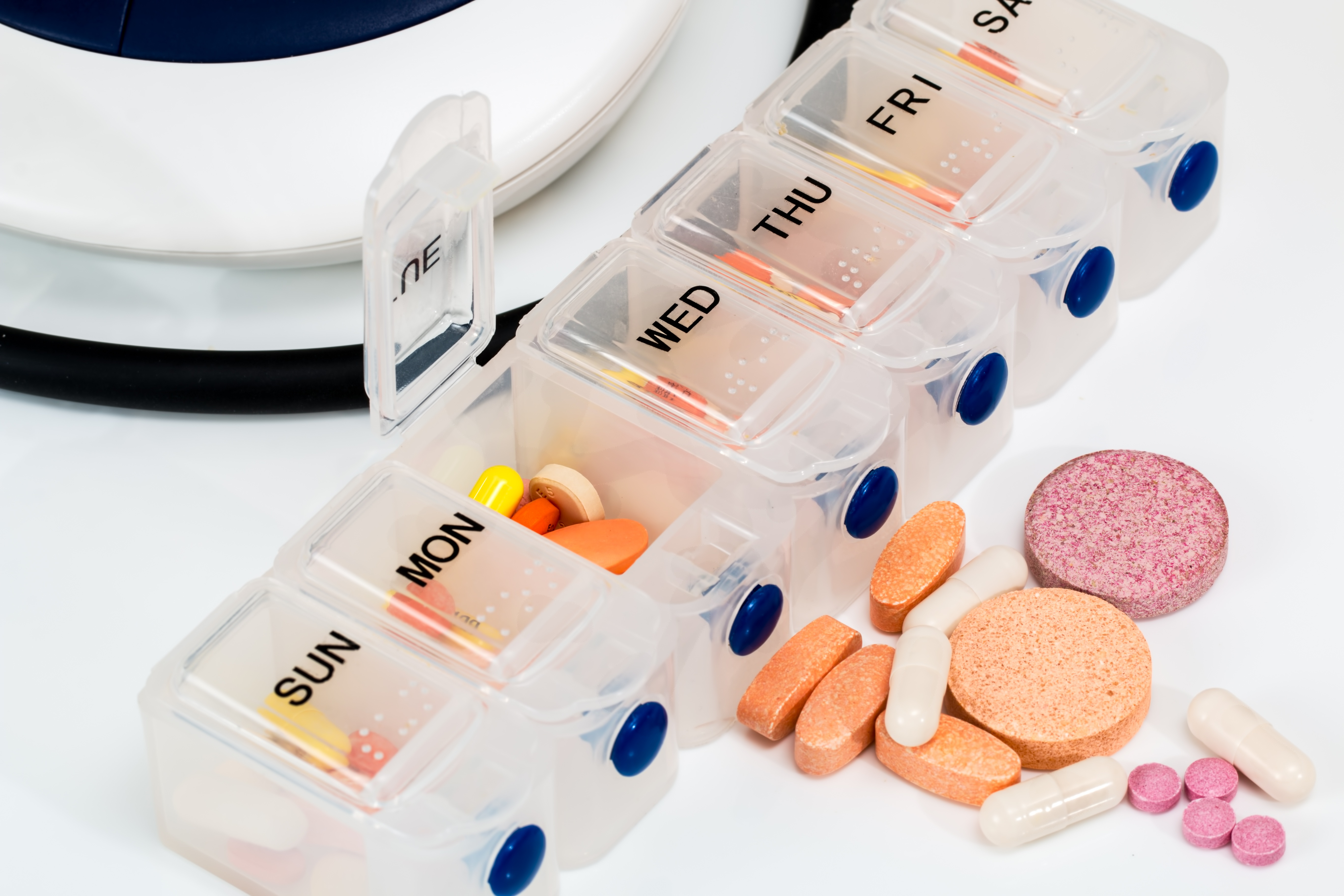
The best pill organizer for an older adult is the one that matches the medication schedule, eyesight, hand strength, memory, and level of caregiver oversight already in the home. A simple weekly box can be perfect for one person and unsafe for another if doses change often, pills look similar, or missed doses are already happening.
For many families, the safest starting point is not the fanciest dispenser. It is a clear system: who fills the organizer, when it is checked, where it lives, and what happens when a dose is missed. The product should make that routine easier to follow, not hide confusion behind more plastic compartments.
This guide compares the best pill organizers for seniors by real use case: basic weekly boxes, twice-daily and four-times-daily organizers, large-print options, locking organizers, travel cases, and automatic pill dispensers. Use it to narrow the choice before buying, and involve the prescriber or pharmacist when medication errors, side effects, or frequent regimen changes are part of the problem.
Quick Shortlist by Situation
For a simple once-daily routine, choose a weekly pill organizer with large, easy-open compartments and high-contrast day labels. The best version is boring: it opens reliably, sits flat, and lets the person or caregiver see at a glance whether today's dose is still there.
For morning and evening medications, use a two-times-daily organizer with separate AM and PM rows. This reduces the mental work of remembering which pills belong to which part of the day and makes caregiver checks easier during phone calls or visits.
For complex schedules, compare four-times-daily organizers or a monthly system with removable daily trays. These can help when medications happen at breakfast, lunch, dinner, and bedtime, but they also create more filling work and more chances to place pills in the wrong slot.
For missed doses, repeated double dosing, or memory changes, consider an automatic dispenser with alarms, timed access, and caregiver notifications. These products cost more and need setup, but they can be safer than a traditional box when the person cannot reliably self-manage.
For travel or appointments, use a small labeled travel case only for the doses needed during that outing. Do not let a travel case become an unlabeled backup pile of mixed pills.
Organizer Types Compared
A basic weekly pill box has seven compartments, usually one per day. It works best when all medications are taken at the same time each day and the user can read labels, open lids, and remember whether the dose was taken. It is inexpensive and easy to inspect, which is why it remains the right tool for many households.
A twice-daily organizer separates morning and evening doses. It is often the best upgrade when a parent says, "I take some with breakfast and some before bed." Look for labels that are easy to distinguish, not tiny lettering that looks identical in low light.
A four-times-daily organizer creates slots for morning, noon, evening, and bedtime. It can be useful for Parkinson's medications, pain regimens, antibiotics, or other schedules that depend on timing. The tradeoff is complexity. Filling four rows for seven days can be tedious, and one misplaced pill may be harder to notice.
A monthly organizer holds several weeks at once. It can reduce weekly setup for a caregiver who visits less often, but it is risky when prescriptions change frequently. If the doctor adjusts a dose, someone may have to correct many compartments.
An automatic pill dispenser releases medications at set times and may lock the remaining doses. Some models include alarms, lights, phone alerts, or caregiver apps. They are worth considering when independence is important but the current system is no longer reliable.
What Makes a Pill Organizer Safe
A safe organizer makes the right dose easier than the wrong dose. Compartments should be large enough for the actual pills, including capsules, vitamins, half-tablets, and any bulky supplements the clinician has approved. Crowded compartments make it harder to spot a missing or extra pill.
Lids should open without pain but stay closed when dropped or moved. This balance matters for older adults with arthritis, tremor, neuropathy, weak grip, or one-handed use. If the lid is too stiff, the organizer may be avoided. If it opens too easily, pills can spill and become impossible to identify confidently.
Labels need to be readable in the place the organizer is used. Large print, high contrast, and clear AM/PM markings matter more than decorative colors. If the person has low vision, test the organizer under normal kitchen, bedroom, or bathroom lighting before buying several.
The organizer should also fit the household's checking routine. A clear lid helps a caregiver see whether the dose remains. A removable daily tray can help with breakfast at the table or an outing. A locked dispenser may help when double dosing is the main concern.
Best Organizer for Simple Routines
For one daily dose, a basic weekly organizer is usually enough. Choose a model with one large compartment per day, clear day labels, and lids that click shut. Transparent lids make it easier to confirm whether pills are present without opening every slot.
Keep the organizer in one consistent location, near the routine that triggers use. For some people that is breakfast. For others it is bedtime, the coffee maker, or a caregiver call. Avoid storing daily medications in a bathroom if humidity, clutter, or poor lighting makes the routine less reliable.
The person filling the organizer should use the original prescription bottles, medication list, and good lighting. Fill it when unhurried, then check each day against the list before putting bottles away. A simple weekly box is only safe when the filling process is careful.
If the older adult takes several look-alike pills, ask the pharmacist whether pill descriptions or blister packaging could help. Do not rely on memory or color alone, especially after generic substitutions.
Best Organizer for Multiple Daily Doses
When medications happen two or more times per day, the organizer should reflect the actual schedule. A two-times-daily box is usually easier to manage than separate loose weekly boxes labeled by hand. A four-times-daily organizer may be needed, but only if everyone understands the timing.
Look for rows that are visually distinct. Color can help, but words and layout should still be clear for someone with color blindness or low vision. AM and PM compartments that look nearly identical can invite mistakes at the exact moment the system is supposed to help.
For complex regimens, removable daily strips can be useful. A caregiver can hand over one day at a time, or the older adult can take today's strip to the table. This reduces the chance of opening the wrong weekday, but only if the strip itself is clearly labeled.
If doses depend on food, blood pressure, blood sugar, or symptoms, a pill organizer alone may not be enough. The family may need a written medication routine, clinician instructions, and a way to record skipped or delayed doses.
Best Automatic Pill Dispenser
An automatic dispenser makes sense when the main risks are missed doses, double doses, or taking pills at the wrong time. The strongest models combine timed release, an audible or visual reminder, locking storage, and a caregiver alert when a dose is missed.
These devices are not maintenance-free. Someone must fill the tray correctly, program the schedule, test the alarm volume, keep batteries charged or power connected, and update the settings when prescriptions change. If nobody owns those tasks, the dispenser can create a false sense of safety.
Check whether the older adult can hear the alarm, reach the device, remove the cup or dose, and understand what to do if the alarm continues. If the person has dementia, agitation, or a strong urge to open locked compartments, ask a clinician or care manager whether this type of device is appropriate.
Automatic dispensers can be especially helpful for adult children who live elsewhere. Alerts can show whether the dose was accessed, but they do not prove the pills were swallowed. For high-risk medications, families may still need phone confirmation, in-person help, pharmacy packaging, or home care.
Locking and Child-Resistant Options
Locking organizers can help when there is a risk of double dosing, medication-seeking behavior, confusion, or children in the home. They can also reduce casual pill handling by visitors or grandchildren.
The lock should match the actual risk. A simple latch may keep a curious child out for a moment but will not prevent a determined adult from forcing it open. A timed dispenser may be better when the goal is to make only one dose available.
Do not use a lock to hide medication changes from the older adult unless there is a clear safety reason and the care team agrees. Medication routines work best when the person understands as much as they safely can and does not feel tricked by the system.
If opioids, sedatives, insulin, blood thinners, or other high-risk medications are involved, ask the prescriber or pharmacist what level of storage and monitoring is appropriate. The organizer is only one part of medication safety.
Features Worth Paying For
Pay for readable labels, reliable lids, enough compartment space, and a layout that mirrors the prescription schedule. Those features affect safety every day.
For older adults with arthritis, test lid resistance before buying. Push-button or spring-assisted lids can help some people, but they may pop open in a bag. For tremor, a stable base and wide compartments may matter more than a clever opening mechanism.
For low vision, choose large type, strong contrast, and clear orientation. Some organizers look stylish but use pale lettering on translucent plastic. That can be difficult to read under warm household lights.
For caregivers, consider fill speed and auditability. Clear compartments, removable trays, and simple row labels make it easier to check the work. If two family members share medication tasks, the system should be understandable without a long explanation.
Travel and Day Trip Setup
Travel is where many medication systems break down. A weekly organizer that works at home may be too bulky for a restaurant, clinic visit, or overnight bag. Use a smaller case for the specific doses needed while away, and label it clearly with the day and time instead of relying on memory.
Keep travel pills separate from spare loose pills. Loose tablets in a purse or jacket pocket are hard to identify later, and they can create uncertainty about whether the dose was already taken. If a dose needs to be taken outside the home, pack only that dose and check it against the medication list before leaving.
For longer trips, bring the current medication list, pharmacy phone number, and original bottles or pharmacy packaging when practical. A pill organizer is convenient, but original labels help if there is an urgent care visit, airport question, lost luggage problem, or unexpected refill need.
Privacy, Dignity, and Acceptance
The best pill organizer is one the older adult will actually use. Some people dislike large medical-looking boxes on the counter because they feel exposed when visitors come over. Others prefer a highly visible organizer because it reassures them that the day is on track.
Ask where the organizer should live and how obvious it should be. A drawer may protect privacy but reduce visibility. A kitchen counter may improve adherence but feel embarrassing. The right answer depends on the person, the household, and whether reminders or discretion matter more.
Avoid presenting the organizer as proof that the person has failed. It often lands better as a convenience tool: fewer bottles to open, easier refills, less guessing, and a simpler way to check that prescriptions are being followed. Acceptance is a safety feature because an unused organizer cannot prevent mistakes.
Weekly Maintenance Routine
Choose one refill day and protect it from distractions. Many families use Sunday evening, but the best day is the one when the caregiver or older adult can work slowly with good lighting and the current medication list.
After filling, count what remains in each bottle if refill timing has been a problem. This can reveal skipped doses, extra doses, or a prescription that will run out before the next pharmacy trip. It also gives families a calmer way to discuss problems because the evidence is concrete.
Once a month, clean the organizer according to the manufacturer's instructions and inspect it for cracked lids, faded labels, residue, or sticky compartments. Replace organizers that no longer close securely. Low-cost plastic boxes wear out, and a loose lid can undo an otherwise careful routine.
Filling Checklist
- Update the medication list before filling the organizer.
- Use the prescription bottles or pharmacy packaging as the source of truth.
- Fill pills on a clean, dry, well-lit surface without distractions.
- Place only one medication bottle on the table at a time if mix-ups are likely.
- Check each compartment against the schedule before closing the lids.
- Keep discontinued medications away from current bottles.
- Record who filled the organizer and when, especially if more than one caregiver helps.
- Call the pharmacist when pill appearance changes unexpectedly.
Common Buying Mistakes
The most common mistake is buying a bigger organizer when the real problem is uncertainty about the medication list. If bottles, discharge papers, and online portal instructions disagree, pause and reconcile the list with the pharmacist or prescriber before filling any box.
Another mistake is ignoring hand strength. A beautiful organizer with tight lids may sit unused because opening it hurts. The opposite problem is also common: a flimsy lid opens in a purse, pills scatter, and nobody can identify them safely.
Families also overestimate how much a reminder can solve. An alarm helps only if the person knows what the alarm means, can reach the pills, and can take them correctly. If the person turns off reminders without taking the dose, the system needs more support.
Finally, do not mix old and new regimens in the same area. After a hospital stay or medication change, remove outdated organizers from circulation. A half-filled old box can cause exactly the error the new system was meant to prevent.
When a Pill Organizer Is Not Enough
A pill organizer is not enough when doses are repeatedly missed, doubled, taken at the wrong time, or confused with someone else's medication. It may also be insufficient when memory changes, vision loss, depression, substance use, or side effects are interfering with safe use.
Ask the pharmacist about blister packs, pouch packaging, medication synchronization, large-print labels, easy-open caps, or medication therapy review. Pharmacy packaging can reduce home filling errors, though someone still needs to handle changes, discontinued medications, and as-needed pills.
Ask the prescriber whether the regimen can be simplified. Some medication routines become safer when doses are consolidated, unnecessary supplements are removed, or timing is adjusted. Do not make those changes without clinical guidance.
Consider home health, a paid caregiver, or family check-ins when the risk is rising. Medication support can be a targeted service rather than a full loss of independence.
Bottom Line
For most seniors, the best pill organizer is the simplest product that clearly separates the actual dose schedule and can be filled, checked, and used without strain. A weekly box works for simple routines. AM/PM or four-times-daily organizers help when timing is more complex. Automatic dispensers are worth considering when missed or double doses are already happening.
Choose the organizer around the routine, not the other way around. Check eyesight, hand strength, compartment size, caregiver oversight, and how often prescriptions change. Then build one visible process for filling, taking, checking, and updating the system.
A good pill organizer should make medication time calmer within the first week: fewer guesses, fewer open bottles on the counter, clearer caregiver checks, and a safer path from prescription instructions to daily follow-through.